Why AI Infrastructure is Quietly Killing Cloud Gaming
The math behind streaming your favorite video games was already shaky. Now, the explosive demand for AI compute is breaking the model entirely....

We were promised a future where local hardware didn't matter. Always, the pitch for cloud gaming sounded clean on paper: throw away your expensive graphics cards, bypass the console wars, and stream high-end interactive entertainment directly to whatever screen you happen to have sitting in front of you. Just pay a monthly subscription fee, plug into a data center. Let remote servers do the heavy lifting while you enjoy zero-latency bliss.
Except reality stubbornly got in the way. Shifting complex physics engines and high-framerate rendering across erratic consumer internet connections proved to be an engineering nightmare, leaving services perpetually trapped in a state of nearly-there frustration. But the fundamental physics of lag and bandwidth limitations weren't even the fatal blow. The real killer arrived from an entirely different direction, wearing the shiny, expensive armor of generative artificial intelligence.

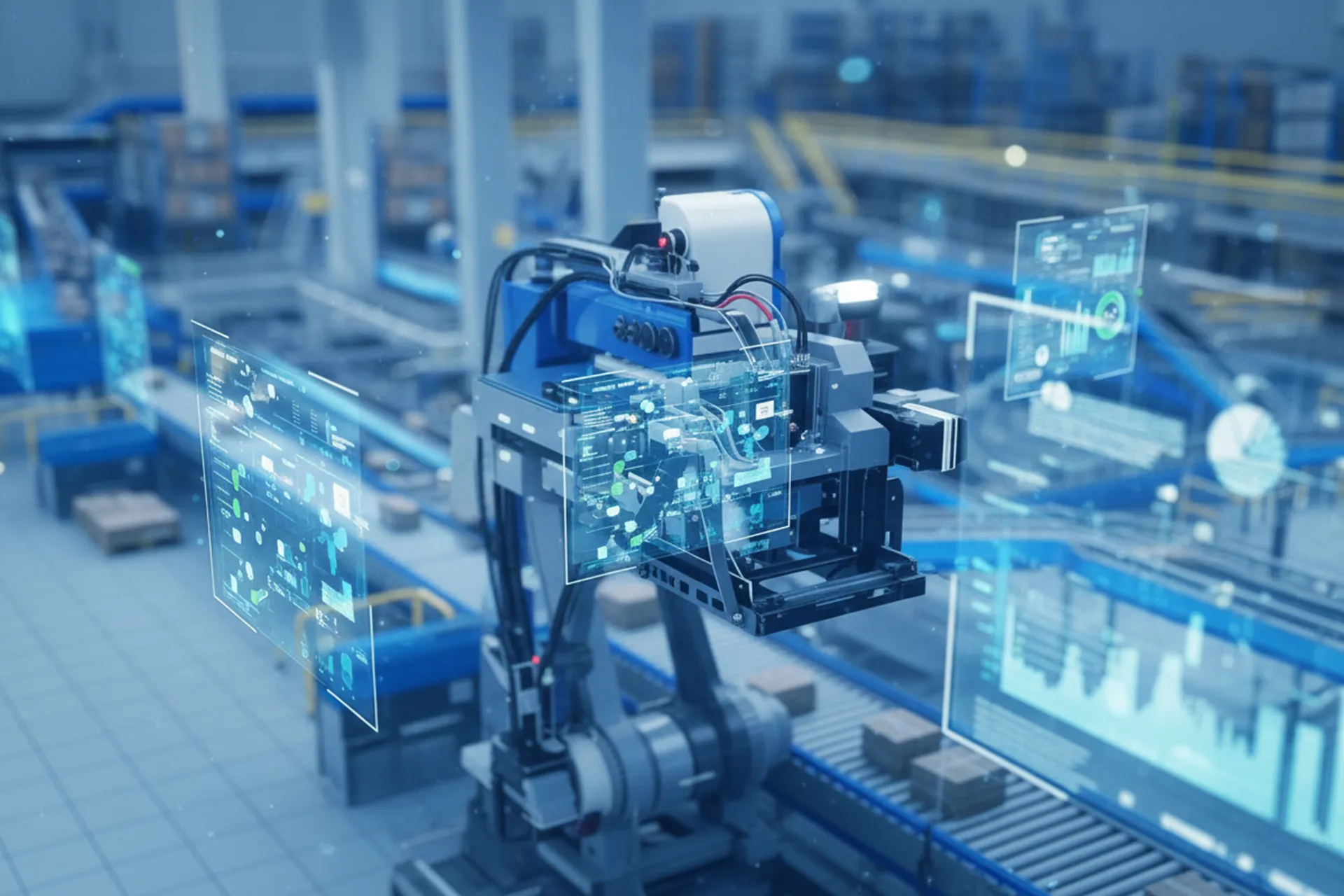
Suddenly, data centers everywhere are drowning in demand for raw compute, driving up the baseline costs of cloud infrastructure to astronomical new heights. [IMAGE]
Big tech companies spent a decade convincing consumers that renting servers would somehow always get cheaper at scale, only to watch their own AI gold rush cannibalize the exact infrastructure required to keep game streaming economically viable. When Nvidia starts slapping strict monthly hour caps on GeForce Now, and Microsoft quietly fences in Xbox Cloud Gaming usage limits, you do not need to read between the lines to figure out what is happening. The math has officially broken.
At some point, the hype meets the ledger. We are watching the messy unraveling of a product category built on subsidized illusions, where the cost of running the actual machines finally outpaced venture-backed optimism. If you love streaming your games, enjoy it while it lasts, because the golden age of cheap remote rendering is colliding headfirst with an AI-driven reality check.