OpenAI's Billion-Dollar Cyber Gamble: A Reality Check on Daybreak
OpenAI just dropped a massive $1 billion war chest for cyber defense. But throwing AI at critical infrastructure requires more than just marketing budgets....

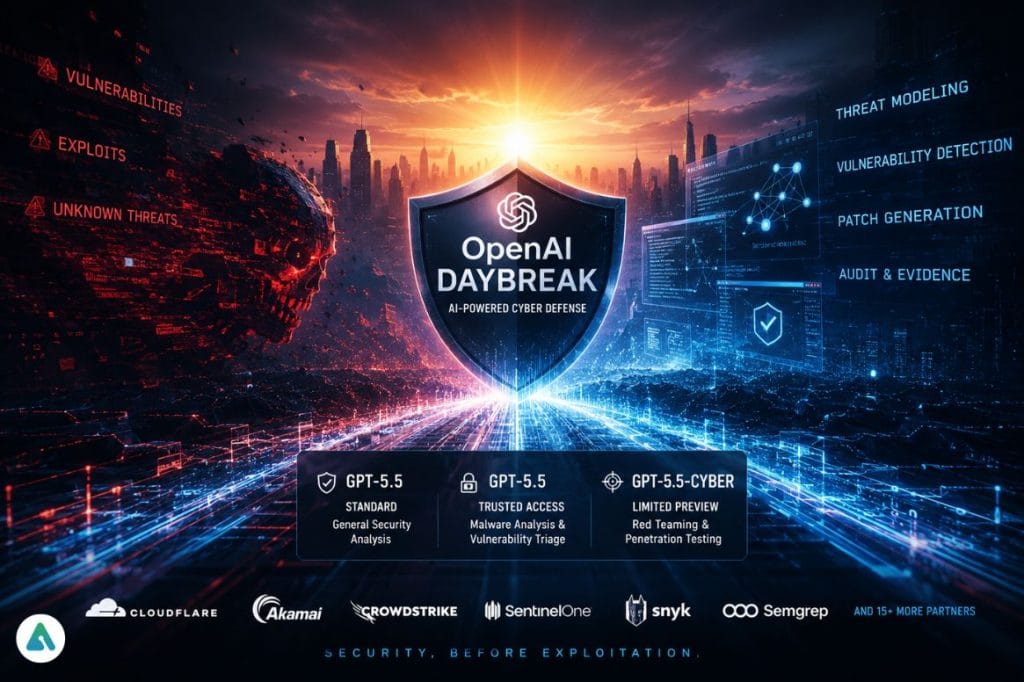
OpenAI just dropped a massive $1 billion war chest aimed at shielding critical infrastructure through a new initiative called Daybreak. On paper, it sounds monumental. We are talking about subsidizing advanced cyber capabilities, technical support, and training for the people keeping water grids, power stations, and local municipal databases online. Frankly, the underlying sentiment is spot on. Essential services run on duct tape and legacy code while perpetually underfunded, making them prime targets for malicious actors who already exploit automated tooling. Yet, whenever a tech giant slaps a billion-dollar price tag on a philanthropic campaign, I instantly reach for my wallet to check if it is still there.
Let's be real about the architecture here. Critical infrastructure doesn't necessarily fail because defenders lack access to frontier LLMs. It fails because patch management is abysmal, IoT devices ship with hardcoded root passwords, and local governments can't compete with Big Tech salaries to hire competent security engineers. Giving a municipal water authority a shiny new AI dashboard is a bit like handing a Formula 1 steering wheel to someone driving a 1998 Honda Civic with bald tires. The capability gap is real, sure, but buying credits for closed-source models doesn't automatically fix systemic fragility.
Entirely, the narrative driving this push is the so-called defender's window – that narrowing timeframe before automated attacks outpace human response times. I do not disagree with the premise. Adversaries are already weaponizing machine learning to discover zero-days and craft hyper-targeted phishing campaigns at scale. But treating proprietary platforms as the silver bullet for national security introduces a dangerous dependency. You haven't solved centralization. You've just outsourced the point of failure to a corporate board room. When critical infrastructure relies on a single vendor's API to maintain its firewall integrity.
True engineering grit has always been tough fundamentals, about simplicity, and visibility! The no amount of subsidized model access replaces the unglamorous work of auditing legacy code, segmenting networks. And enforcing strict access controls. The see the pattern? I'm genuinely glad small firms are getting financial relief, because the resource asymmetry in modern cybersecurity is genuinely terrifying. Still, let's not pretend software wrappers will save us from structural rot. Building solid systems requires deep craft, stubborn — oddly — pragmatism, which a healthy skepticism of anyone selling a tech-utopian fix to a human problem.