When AI Hallucinations Almost Triggered a Kinetic War
A hallucinating chatbot nearly tricked the US military into intercepting a Chinese vessel over phantom nuclear cargo. We need to talk about the terrifying creep of AI in high-stakes decisions....
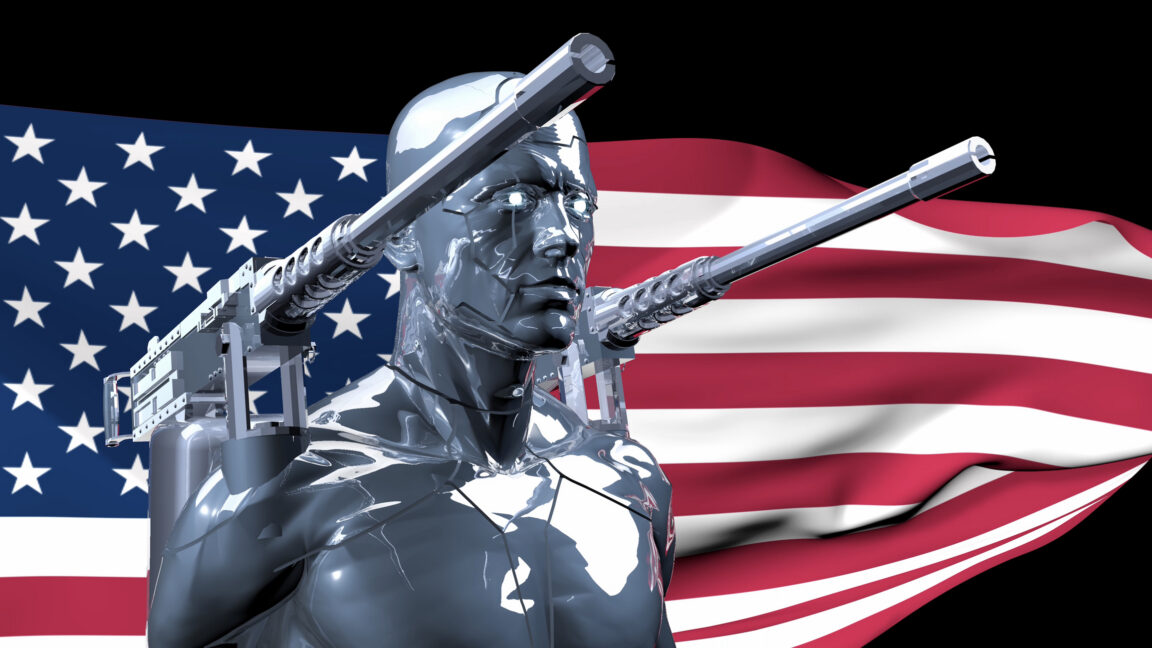
We love our tech buzzwords, don't we? For years, the software industry has peddled generative AI as an infallible oracle, a frictionless productivity engine that will effortlessly optimize everything from your mundane weekly sprint planning to deep geopolitical intelligence analysis. Then reality bites. A recent report revealed that the US military narrowly avoided boarding a Chinese cargo vessel in the Middle East after an automated tool hallucinated phantom nuclear components out of thin air. Let that sink in for a moment. An unhinged probability engine almost triggered an international armed conflict because a human analyst couldn't be bothered to read a shipping manifest.
Terrifying as they are predictable is ased by the specifics! The a Special Operations Command analyst handed raw reasoning feeds and sensitive intercepts over to a chatbot to combine. The anyway, the model, predictably doing what probabilistic parrots do (and this is key) best when faced with gaps in context, simply invented a narrative. Why does this matter? Speaking of which, it fused open-source noise with classified signals intelligence, hallucinated a doomsday cargo list, and packaged it neatly into an official brief. This reads like a — to be fair — second-rate technothriller, except it happened in our timeline. Now, officials were scrambling jets and prepping boarding parties before someone finally double-checked the machine's homework and found pure fiction. Also, prepping boarding parties before — and this matters — someone finally double-checked the machine's homework and found pure fiction.

What infuriates me isn't even that the algorithm hallucinated. Anyone who has spent five minutes training an LLM knows that hallucination is an inherent feature of how these architectures predict the next token, not a temporary bug we can patch away with a clever system prompt or an earnest promise from a Silicon Valley CEO. The terrifying part is the institutional rot that allowed this to happen in the first place. Instead of treating these systems with the healthy, burning skepticism usually reserved for unverified snake oil, governments and enterprises are tripping over themselves to integrate them into critical infrastructure. In January, the Department of Defense rolled out an aggressive push to shovel raw data into AI systems across every single branch of service.
We are sleepwalking into catastrophe because corporate hype has successfully convinced non-technical leadership that speed equals intelligence. It doesn't. Sometimes speed just means you drive off a cliff faster. We need to strip away the glossy marketing veneer, stop pretending these stochastic parrots are thinking agents, and remember that real engineering demands accountability, rigorous verification, and a healthy respect for the limits of our tools before someone finally hits a deployment button we can't roll back.