Tailcat Proves We Don’t Need an Account for Every Single Network Connection
Spinning up a permanent enterprise mesh network just to move a single file feels absurd. Meet Tailcat, the ephemeral connection tool we've been waiting for....
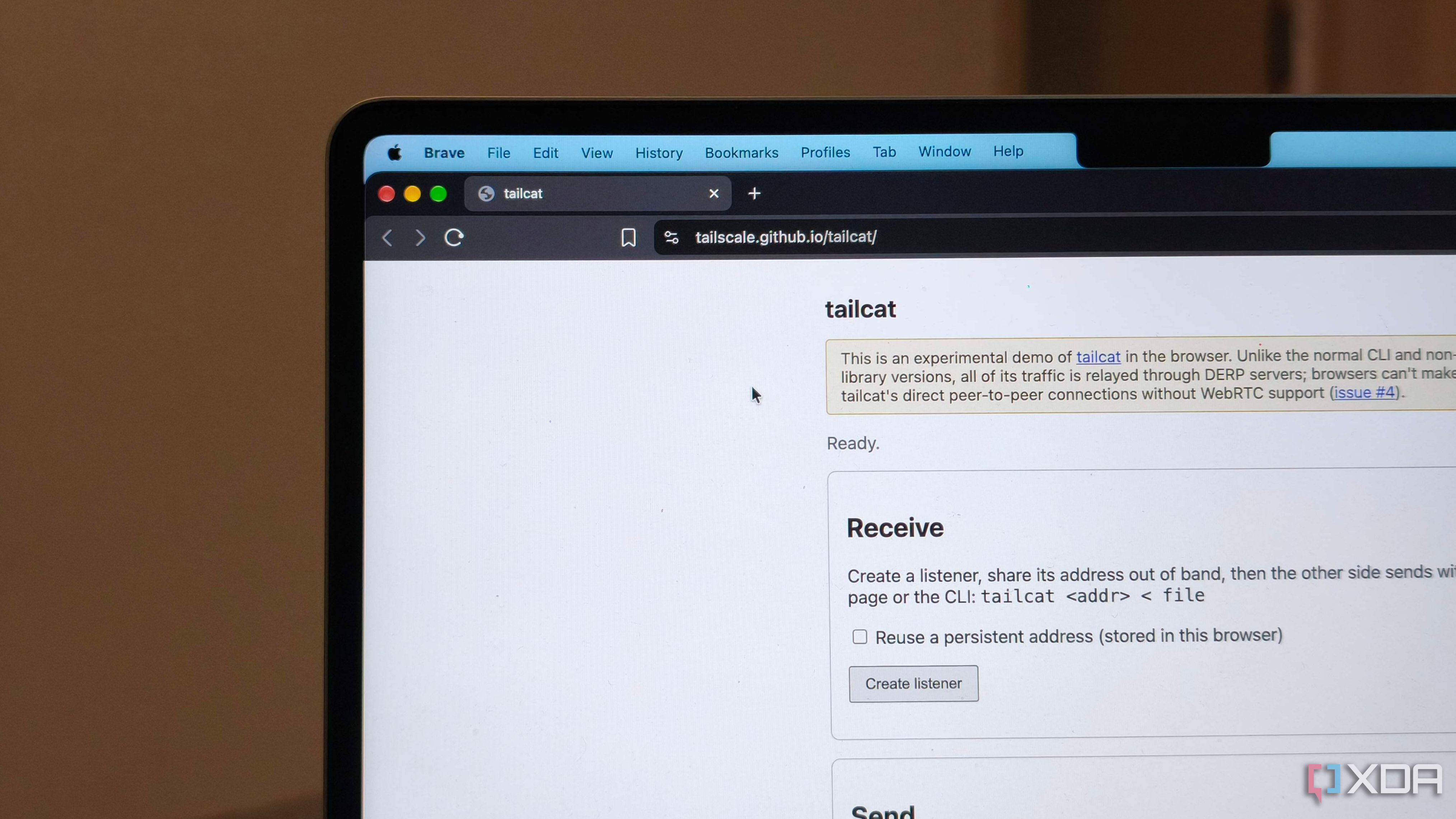
There is a creeping enterprise bloat infecting modern developer tooling. If I need to punch through a NAT to drop a file onto a staging server or debug an ephemeral container for ten minutes, I do not want to log into an identity provider, register a device, and invite it to a permanent tailnet. We have normalized spinning up heavy identity infrastructure for tasks that used to require a simple point-to-point socket.
That is why tools like Tailcat are such a refreshing corrective. It delivers WireGuard encryption, robust NAT traversal, and fallback relays entirely through a command-line binary, skipping the administrative baggage entirely. You spin up a listener, drop the generated cryptographic address to your peer, and connect. When you kill the process, the footprint vanishes.
What I respect most here is the engineering discipline. Tailcat operates cleanly in user space without needing root privileges, leaving your local routing table and DNS settings completely untouched. By handling TCP inside the process and letting the OS push encrypted WireGuard packets through user-space tunnels, it avoids the mess typically associated with virtual network interfaces.
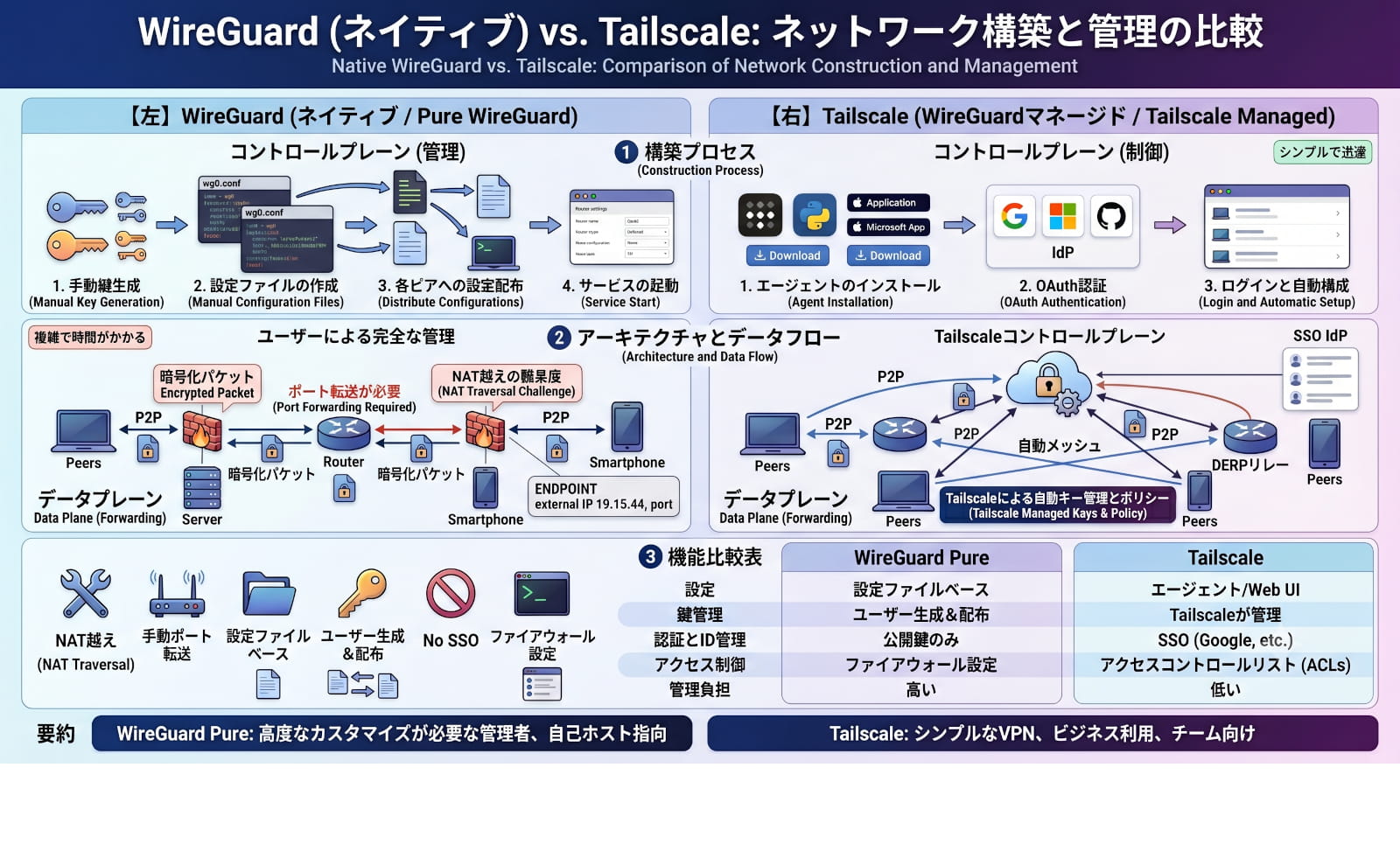
This is how open-source software should feel: utilitarian, transparent, and respectful of your environment. You can even point it at your own DERP relay if you want to sever ties with third-party infrastructure completely. It treats access like a secret rather than a database row.
We need more tools that remember the value of ephemeral sessions. Permanent infrastructure has its place, but sometimes you just want to move data from point A to point B without leaving a permanent bureaucratic trail behind.









