Unpacking the 21% Productivity Bump: What 1Password’s Codex Integration Actually Means for Builders
When enterprise security giants report a massive productivity boost from AI coding tools, it is worth looking past the corporate press release to see what is really happening in the codebase....

Every week brings another vendor-published case study boasting miraculous percentages, triple-digit returns on investment. Utopian engineering workflows where robots write all the software while humans sip espresso. It is easy to roll your eyes at the marketing spin. But when a company deeply rooted in zero-knowledge architecture and paranoid-grade security like 1Password publishes hard data claiming a twenty-one percent jump in overall engineering output, I tend to pause and actually read the fine print. Also, paranoid-grade security like 1Password publishes hard data claiming a twenty-one percent jump in overall engineering output, I tend to pause and actually read the fine print.
The core of their success does not stem from magic. It comes from attacking the friction that slowly strangles growing tech teams. According to their engineering leadership, they managed to shave eleven percent off median pull request cycle times, which drastically cut down the exhausting hours spent investigating multi-service production fires. When an automated agent handles the tedious translation work between a well-scoped user story and a functional prototype, developers finally get to focus on what matters: architecture, edge cases, and genuine product craft.
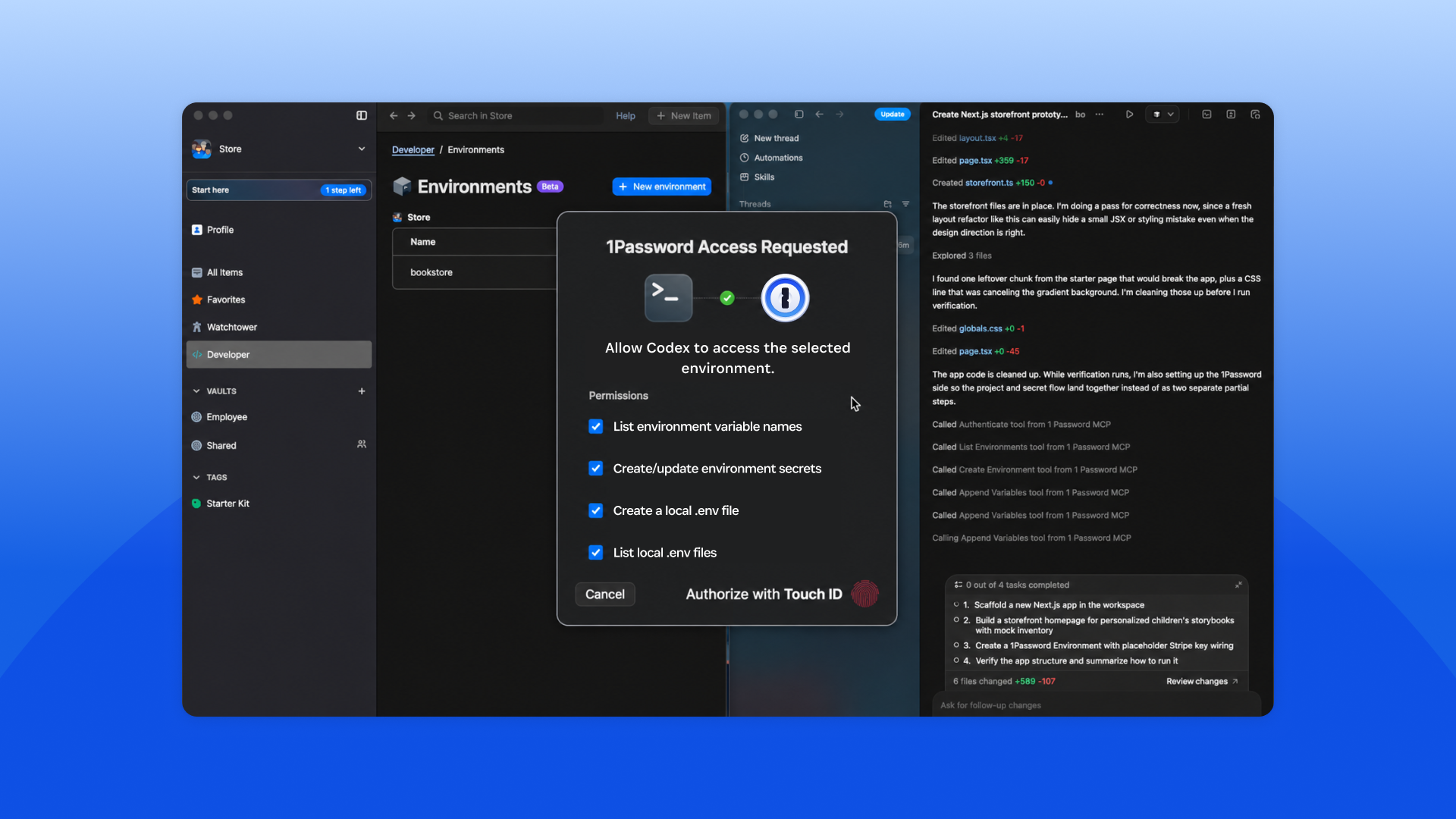
What fascinates me most here isn't the raw speed, though going from a rough concept to a working prototype in a single pass sounds undeniably dreamy. It is the boundary conditions. They gave the system room to operate autonomously within strict, predefined security guardrails. Too many teams hand the keys of the kingdom to autonomous agents without any guardrails and act surprised when their repositories turn into chaotic spaghetti. Discipline still wins.
Ultimately, tools like Codex are replacing good engineering judgment. Simply, they are compressing the agonizing distance between a whiteboard brainstorm and a output deployment. If you treat them as junior assistants that never sleep, the math starts to make sense. If you don't know what you — and this matters — are building in the first place, just do not expect the software to write itself well.