Google Flow Music Gets Lyria 3.5: AI Audio Keeps Marching Forward
Google DeepMind just dropped Lyria 3.5 into Flow Music, promising better vocals, tighter control, and actual musicality. But does it change the game?...
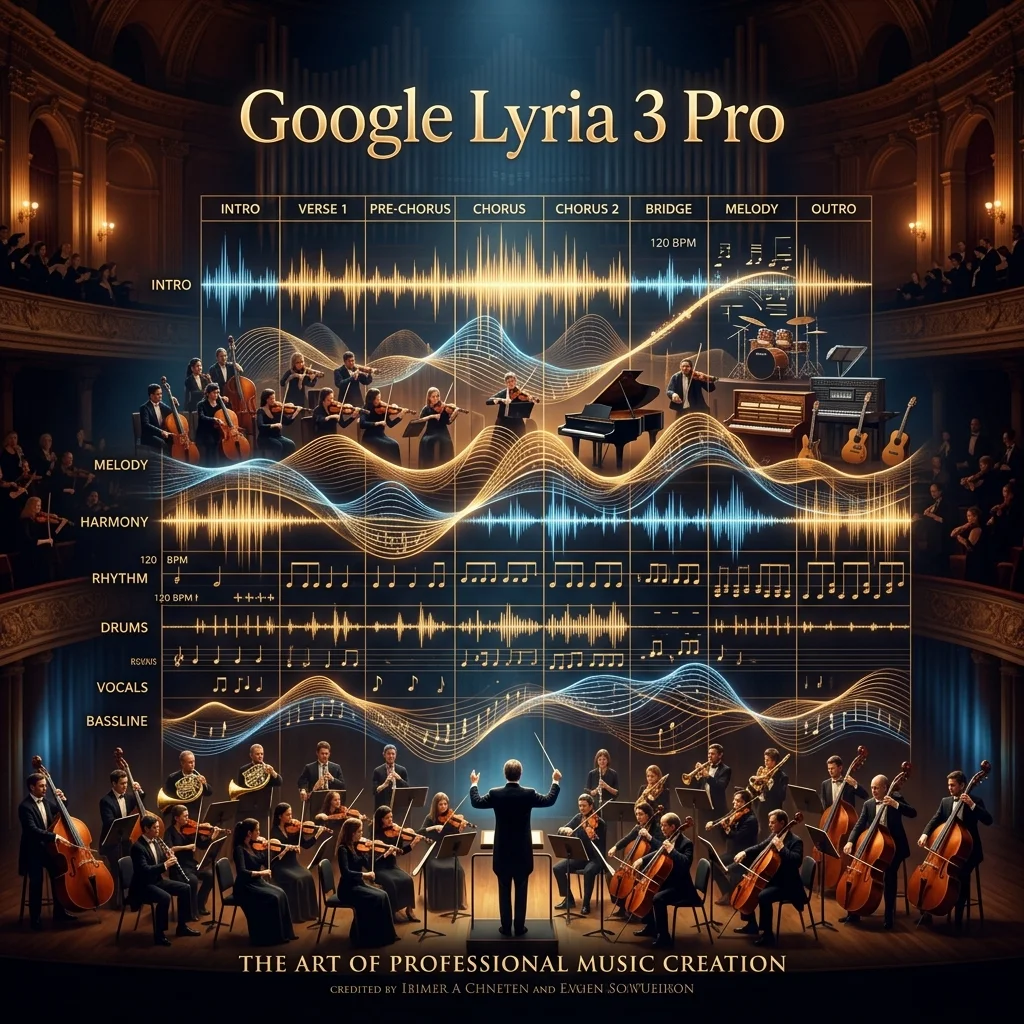
Google DeepMind just pushed its newest audio generation model into the wild. The they call it Lyria 3.5, and it lives inside Google Flow Music. If you've been tracking the frantic pace of machine learning audio tools, you know the drill. Endless promises of studio-quality tracks generated from a single text prompt. Yet, most of what comes out sounds like a sterile, compressed elevator tune played through a tin can.
This iteration supposedly fixes the usual complaints. We are talking about better melodic structures, lyrics that actually follow a prompt without devolving into gibberish, and vocals carrying real emotional weight rather than synthetic monotone sighs. They even threw in granular controls for tempo and track length. It sounds great in a press release. I wanted to see if the engineering actually backs up the hype.
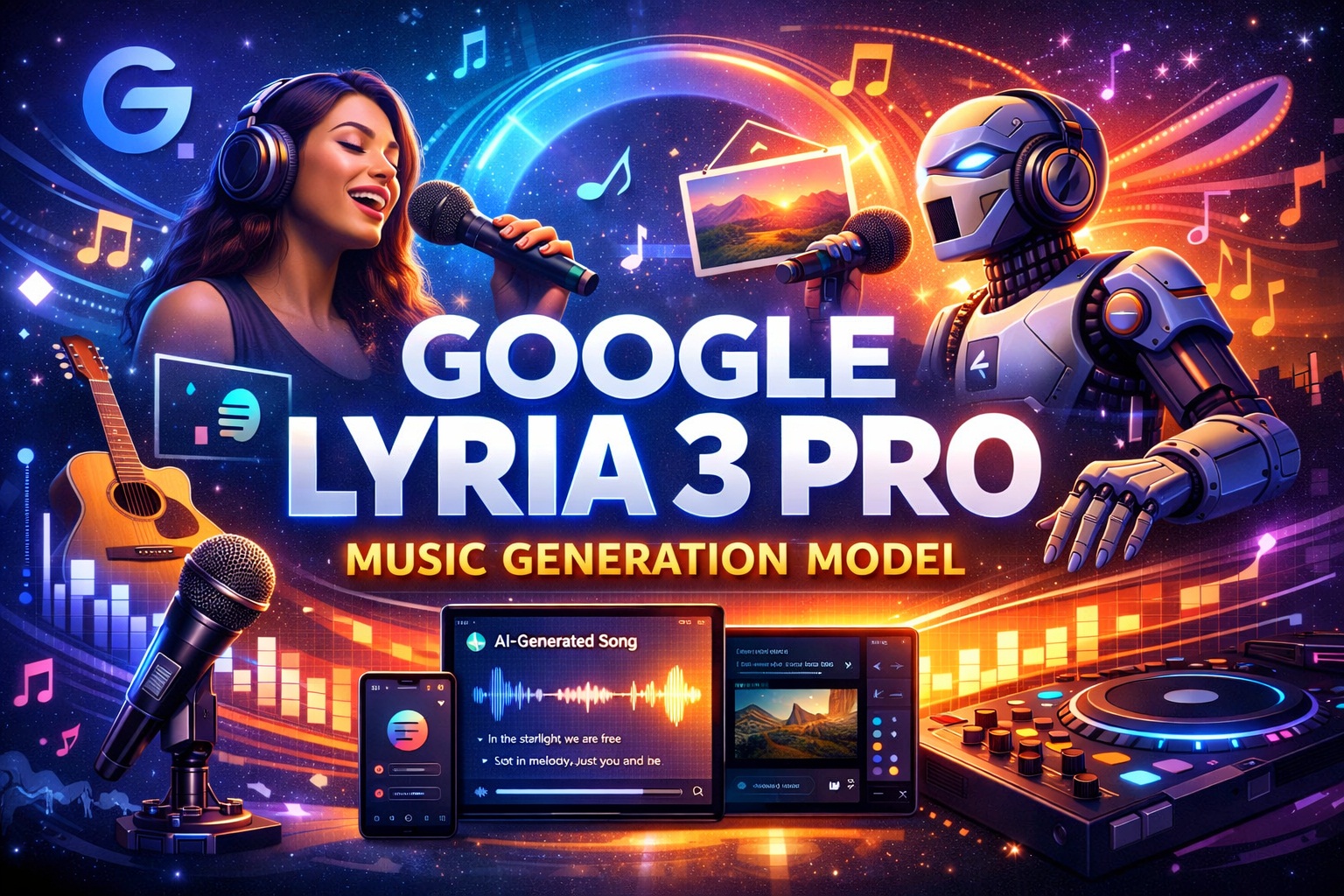
Truth be told, the — to be fair — bar for generative audio is sitting on the floor. The most models fail basic rhythm checks or stumble over common vowel sounds! That said. Why does this matter? The funnily enough, If Lyria 3.5 genuinely improves vocal pronunciation and structural awareness, that's a massive win for rapid prototyping. Creators don't need another toy that accidentally hallucinates a kazoo solo in the middle of a dirge. We need reliable tools that respect basic music theory while bending the rules enough to surprise us.
Whether this merging makes Flow Music a daily driver for indie creators remains an open question. It deepMind can tweak coefficients and expand training sets until the cows come home. In the end, the proof is in the output. When you type in a half-baked idea at two in the morning, does it give you something worth saving, or just another digital paperweight?