Protein Structure Prediction Just Got Real with Claude and NVIDIA BioNeMo
When general-purpose LLMs meet specialized domain microservices like NVIDIA BioNeMo, scientific AI finally moves past the hype cycle into actual engineering utility....

We talk a lot about agentic AI in software, but watching these systems break down in heavy scientific domains has always been painful. The way I see it, this generic coding agents can spin up a web server or write tests all day long. Yet throw a complex biochemical problem at them – like protein form prediction – and they usually face-plant. See the pattern? Funnily enough, they understand the broad strokes of molecular biology, sure! They've zero clue — to be fair — how to format specific payloads, manage dependency hell. Or choose the right factors for domain-particular inference engines.
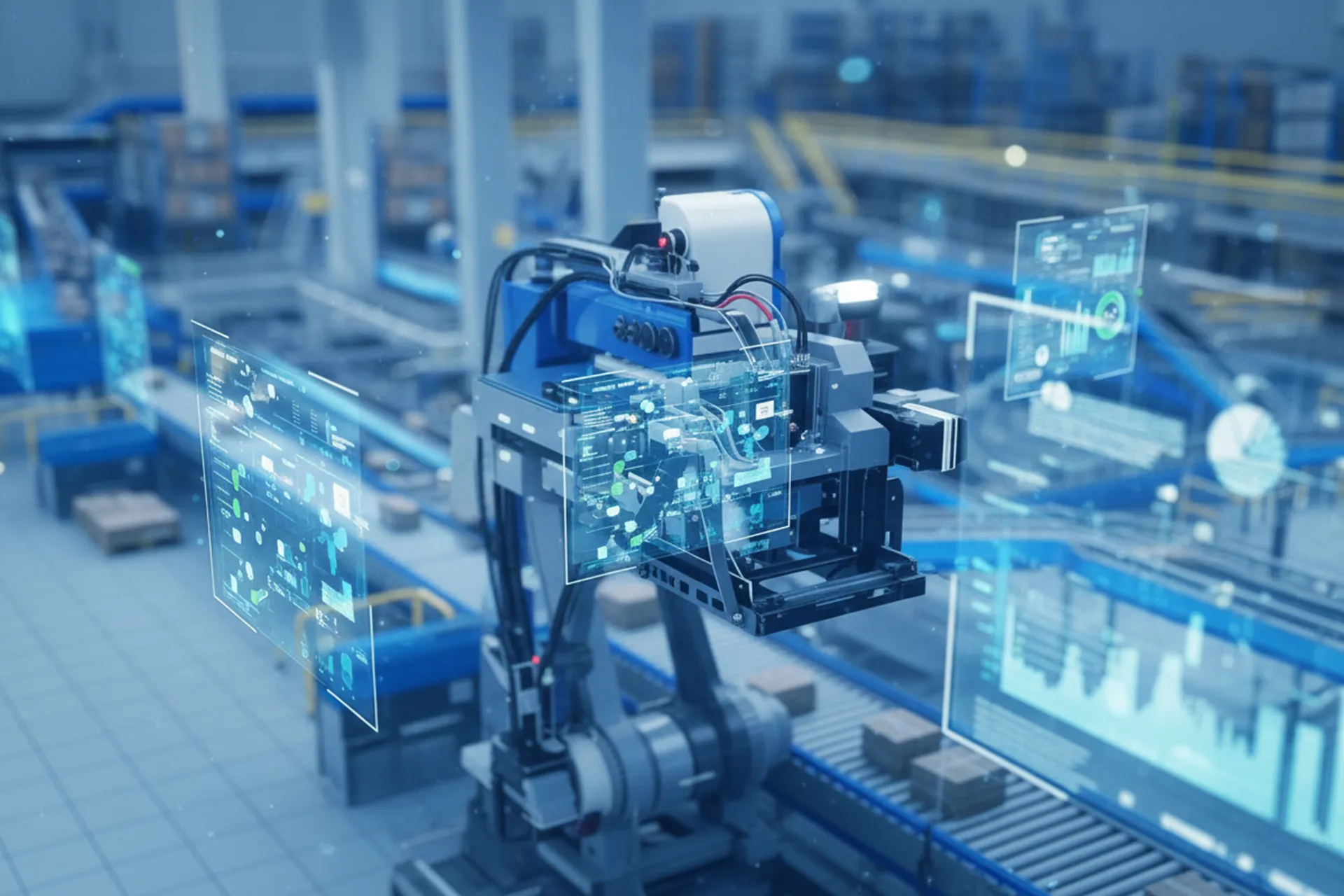
That friction is precisely why the recent blend between Anthropic's Claude Science workbench and NVIDIA's BioNeMo Agent Toolkit caught my eye. Instead of expecting a generalist LLM to hallucinate valid API calls for niche life-sciences tools, this setup wraps a decade of heavily optimized NVIDIA models into clean, agent-callable skills. It bridges the gap between high-level reasoning and heavy lifting. Suddenly, an agent isn't just guessing what to do next; it actually possesses the specialized tooling required to orchestrate multiple folding models, run multiple-sequence alignments, and cross-reference messy biological data without breaking a sweat.
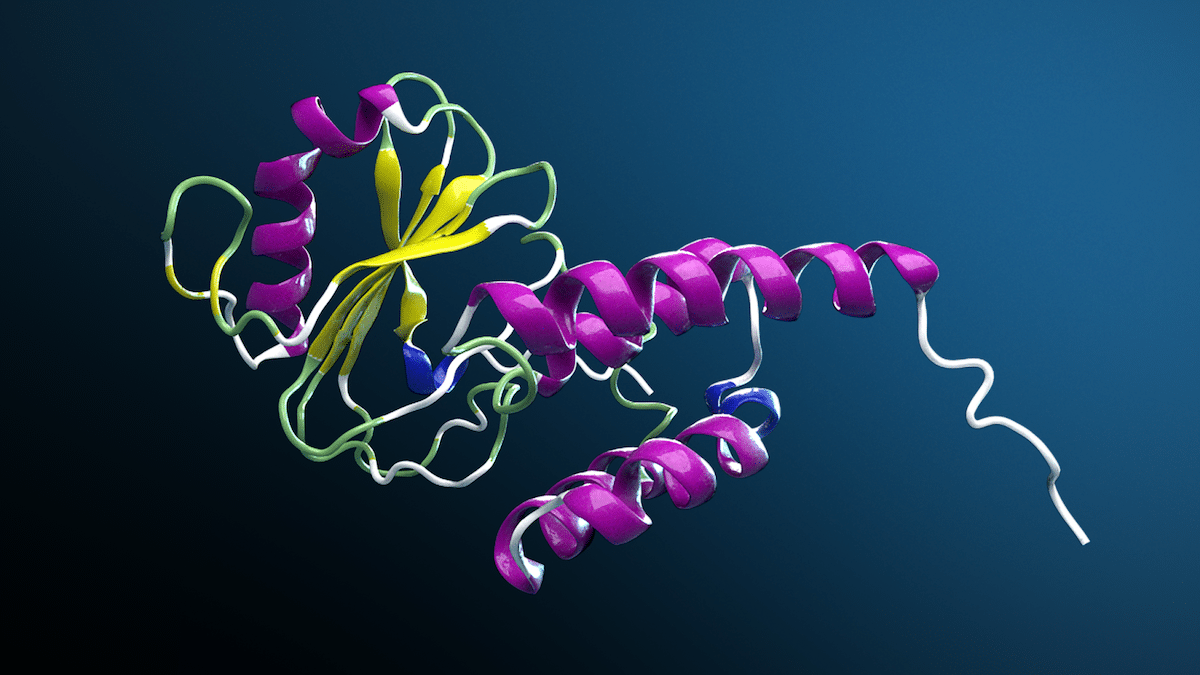
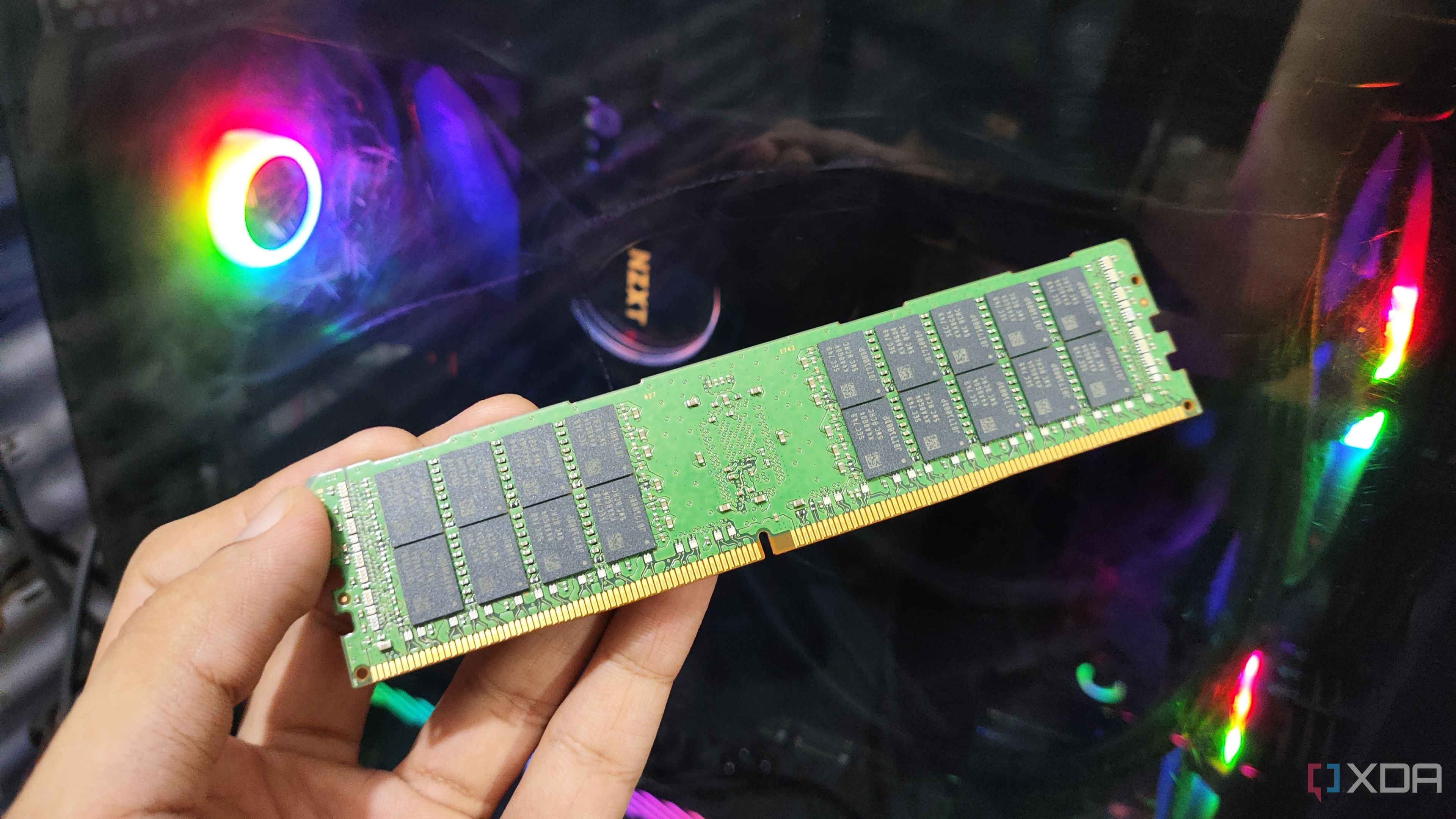
Under the hood, though, this isn't a magical push-button cloud trick that runs on your local MacBook Air over a standard Wi-Fi connection. We are talking about serious hardware footprints. You need a dedicated workstation or a rented cloud instance packing an L40S or H100 GPU, alongside roughly 700 gigabytes of local storage just to house the container images and massive databases like UniRef30. That reality check is refreshing. Real computational biology demands real iron.
Ultimately, this adding points toward how specialized vertical AI steps should actually be built. Now, this stop trying to train one massive, all-knowing model to do everything from scratch. Instead, pair a razor-sharp reasoning engine with modular, hardened microservices built by domain experts. Fair enough. Actually, it is thisarchitectural pattern that worth studying closely if you care about building systems that actually solve hard problems rather than just generating impressive demo videos.