The Messy Reality of EU Text Provenance Rules and AI Watermarking
OpenAI is rolling out text watermarking to comply with EU regulations, but the underlying tech remains notoriously brittle. Here is why the provenance push is mostly theater....
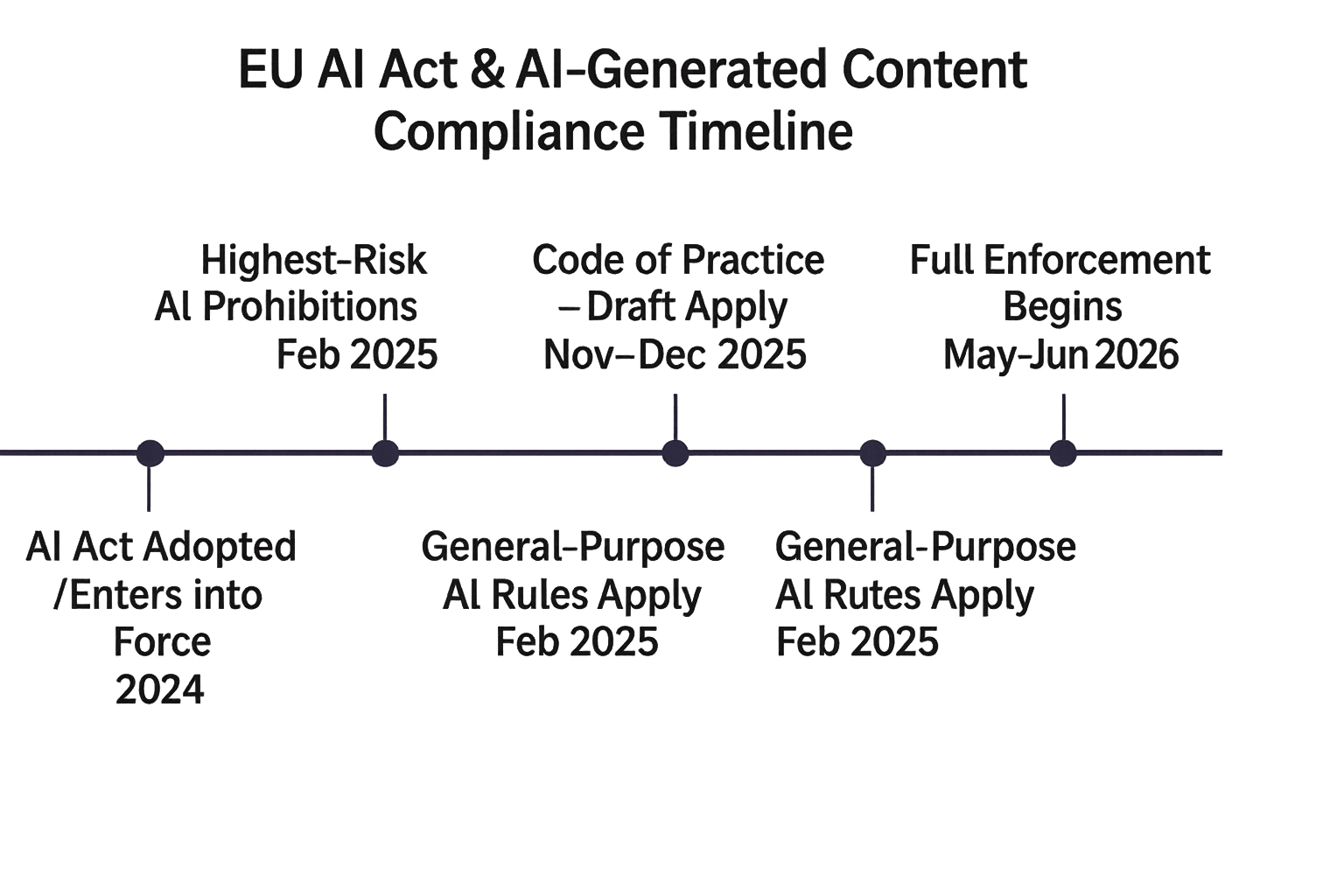
Finally, regulation is catching up to generative models, and the results are predictably messy. The openAI just laid out its playbook for EU text provenance rules. Introducing invisible statistical nudges into word choices to satisfy compliance mandates. Let's be honest about what is happening here. They're shipping a technology they know has glaring limitations simply because a legal framework forces their hand.
If you have spent any time building with LLMs, you already know that text watermarking is a shaky foundation at best. Rely, the mechanics on subtly biasing token selection, hoping that a specialized detector can later pick up the statistical anomaly without degrading the prose. But reality is stubborn. Cut the output short, rephrase a single sentence, or feed the text through a basic translation tool, and that invisible signature vanishes into thin air.

The numbers tell a grim story for anyone hoping for absolute truth. Even under controlled laboratory conditions, shorter passages routinely slip past the detector, and mathematical or constrained text drops off a cliff. False positives ruin innocent people, false negatives let bad actors off the hook, and the entire ecosystem gets dragged into a false sense of security. We are slapping digital band-aids on complex sociotechnical problems.
Finally, chasing infallible provenance feels like a distraction from building better systems and build actual digital literacy — or so it seems. And policymakers want neat binary checkboxes for synthetic versus human content — but engineering rarely bends to bureaucratic wishful thinking. I'd rather see teams invest that energy into solid cryptography or open source attribution than chasing ghosts in token probabilities.