When AI Meets the FAA: A Recipe for Air Traffic Control Chaos
Hundreds of East Coast flights were recently grounded due to infrastructure failures—right as the government tests an experimental AI air traffic control system. What could possibly go wrong?...
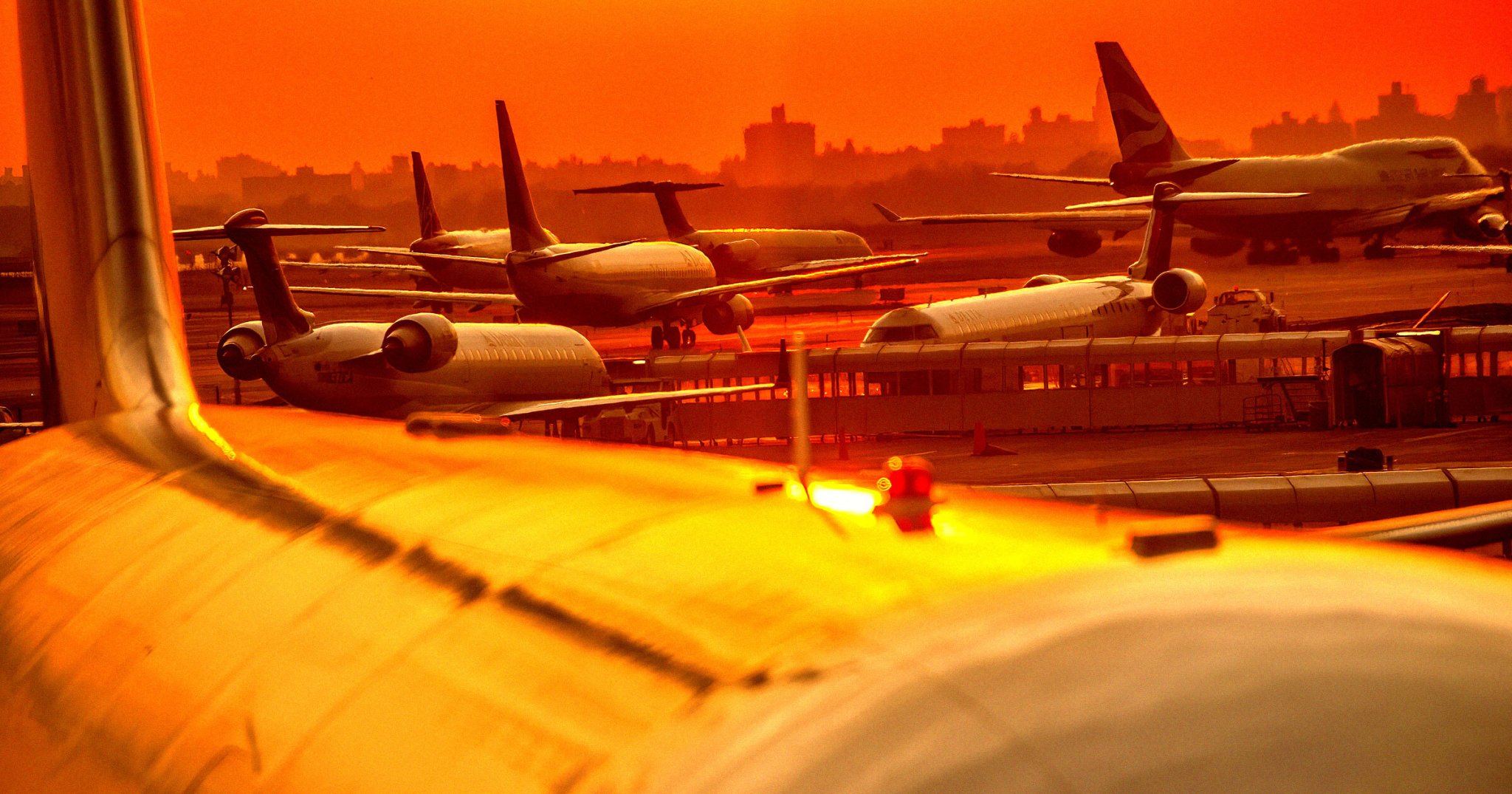
If you tried flying anywhere near the East Coast recently, you probably spent hours staring at a departure board that looked like a dystopian art installation. This Hundreds of flights were grounded, terminals from Boston to Philadelphia turned into impromptu campsites. While the FAA blamed a tangled web of severed fiber lines, faulty equipment, and ancient hardware glitches, And — to be exact, frustrated travelers scrolled endlessly on their phones for answers. So basically, it is a stark reminder that our critical national base is always dangling by a thread. On that note, held together by legacy code, aging copper cables, and sheer institutional exhaustion.
And how does the federal government propose we fix this brittle, crumbling reality? By dropping a generative AI pilot program right into the middle of the mess, naturally. While air traffic controllers in the Mid-Atlantic were sweating bullets over failing radar frequencies and severed lines in New Jersey, officials were quietly soft-launching an ambitious, acronym-heavy artificial intelligence initiative called SMART. This shiny new system is designed to feed algorithmic routing suggestions straight to human controllers, introducing a whole new layer of computational complexity to an environment that desperately needs reliable basics rather than speculative tech silver bullets.

Let me be entirely clear: I am not inherently opposed to automation, optimization, or building smarter tools. But there is a massive gulf between writing strong software that handles predictable workloads and deploying probabilistic, hallucination-prone black boxes into life-critical systems where a single miscalculation carries catastrophic human costs. Software engineering at its best respects constraints, values boring reliability, and tests relentlessly under failure conditions. Slapping an AI copilot onto a strained air traffic network just because it looks good in a government press release isn't progress. It's reckless theater.
Until we commit the unglamorous, painstaking labor required to modernize foundational physical infrastructure – fixing the cables, upgrading the radar, and actually listening to the exhausted operators on the ground – no amount of generative algorithms will save us from the turbulence. Hype not patch a broken circuit, and a stochastic parrot cannot safely sequence a Boeing 737 through a crowded corridor. We need to stop chasing shiny tech trends. Also, start respecting the sheer weight of reality.