Cutting Through the Hype of the New OpenAI Agents API
OpenAI wants to host your agent's entire lifecycle. But trading infrastructure ownership for convenience always comes with fine print....
Building autonomous software loops is agonizing. Anyone who has spent late nights trying to wrangle context windows, keep long-running background tasks from silently crashing, or safely execute untrusted code in a secure sandbox knows the sheer scale of the engineering overhead involved. It is messy, brittle, and entirely separate from the actual product logic you care about building.
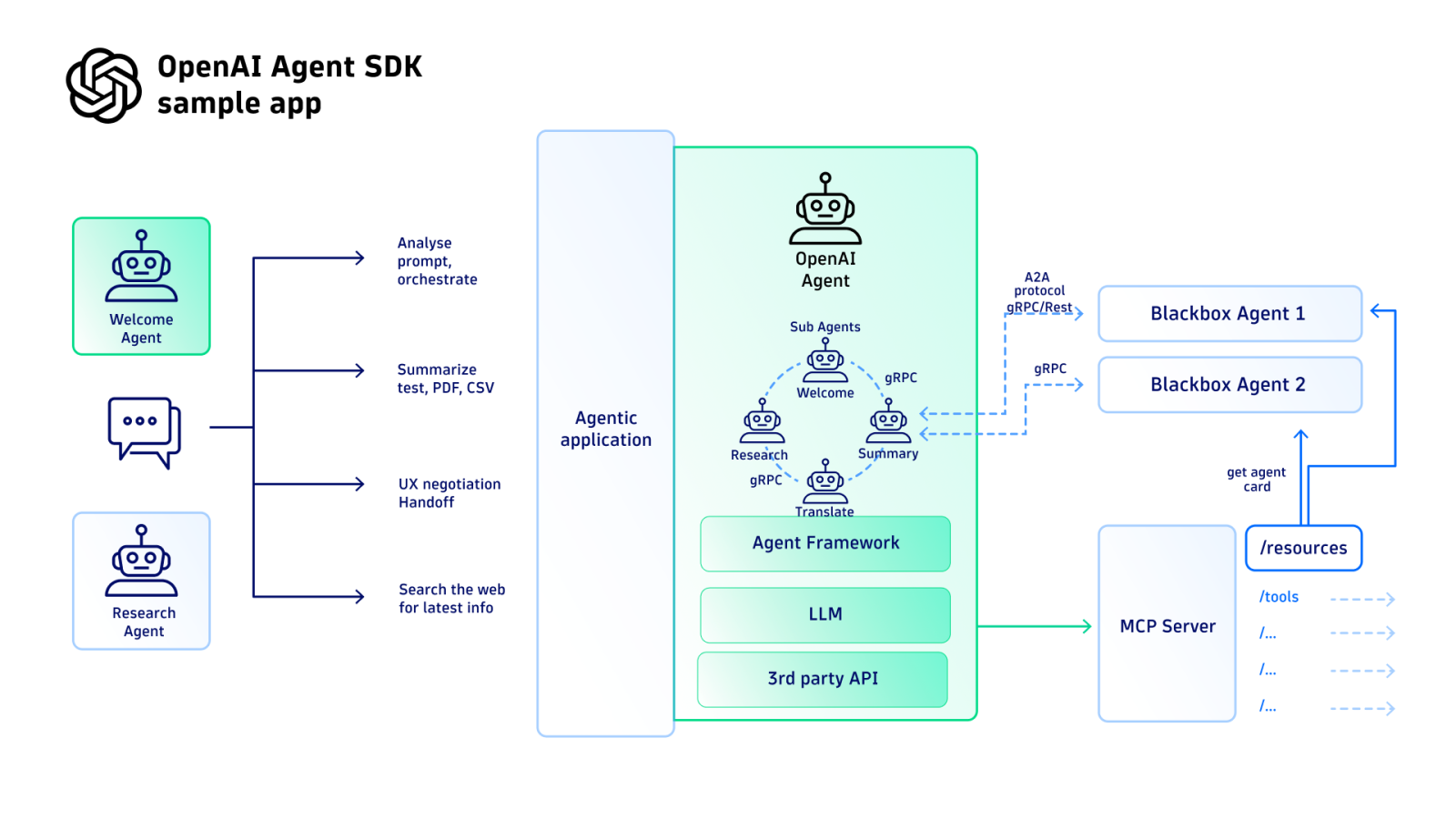
So when OpenAI drops the new Agents API into public beta promising — oddly. To abstract all of that away with a single configuration call, the industry naturally loses its collective mind over the sheer convenience. They are offering a managed use that handles context compaction, tool execution, and state persistence over hours or days. Alongside modular sandbox environments you can spin up locally, in your own VPC, or via partners like E2B and Modal.
It sounds like a dream. But I think we need to look past the shiny launch day demos and ask ourselves what happens when the abstraction layer inevitably leaks. Handing over your entire execution use means you are hitching your architecture to someone else's black box, accepting their pricing shifts, their downtime profiles, and their specific opinions on how state ought to be managed.
Don't get me wrong. The infrastructure problem for stateful loops is real, and having standardized primitives beats writing custom orchestration glue from scratch every single time. If you are a small team trying to ship fast without spinning up an entire DevOps wing dedicated solely to secure container orchestration, use these managed tools makes pragmatic, undeniable sense.
Just keep your eyes open. Convenience is a tax you pay later in flexibility, and dependency lock-in always sneaks up right when your product starts scaling past the happy path.