OpenAI Is Watermarking ChatGPT Output, But Only Where the Law Forces It
OpenAI is finally rolling out default text watermarking for ChatGPT, but the policy reveals a telling truth: regulatory pressure dictates transparency far more than corporate ethics....

OpenAI just announced that ChatGPT output will carry a default watermark, at least if you happen to live inside the European Union. Outside those borders, the feature goes dark unless explicitly flipped on. Let that sink in. A massive breakthrough in provenance detection, quietly relegated to a regional toggle because local lawmakers actually grew teeth. Compliance dictates conscience.
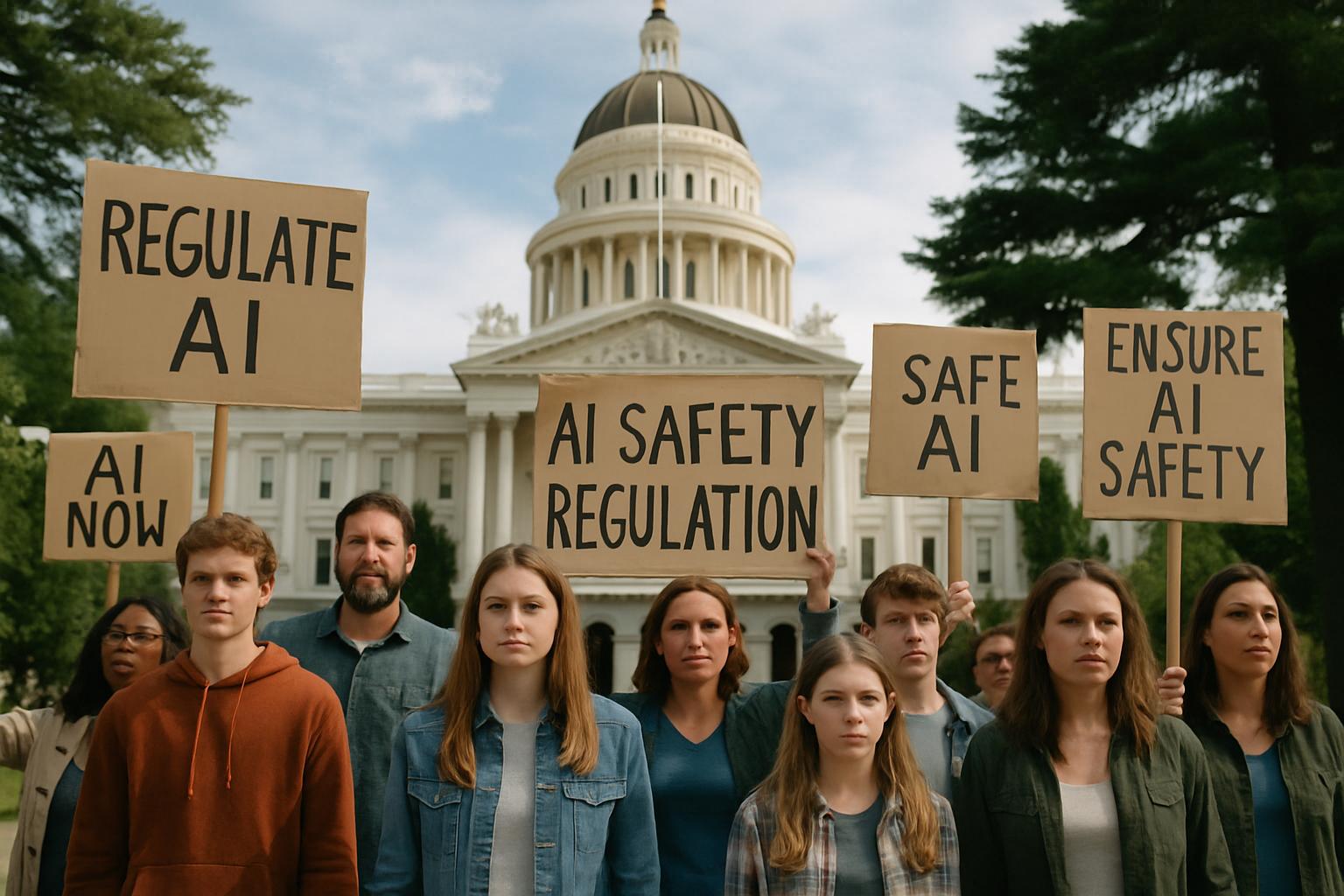
This move directly stems from the EU AI Act taking effect. Bureaucracy forces builders' hands. The regulation mandates machine-readable markers on synthetic media so detectors can sniff it out. So OpenAI dusted off textGrain – their proprietary spin on linguistic steganography – to subtly bias word probabilities just enough for a specialized decryption key to spot the fingerprint. It is clever engineering wrapped in bureaucratic necessity.

Here is the practical reality. These invisible patterns are notoriously fragile. Basic alterations, casual prompt engineering, or simple paraphrasing routinely shatter the cryptographic illusion. Even the architects know text watermarking remains leaky at best (at least in theory). Gatekeeping the actual detection keys behind a bureaucratic application process hardly screams open science either.
True craft demands transparency by default, not as a geographical compliance patch. If an artifact is synthetic, own it everywhere. Hiding safety features behind a toggle switch for non-regulated markets tells you everything you need to know about the current state of AI hype. Real engineering solves hard problems for everyone, not just the jurisdictions holding a compliance stick.