The AI-enabled bioweapons panic is a distraction from real engineering
When tech CEOs start warning us about AI-enabled bioweapons, it is time to look past the sci-fi theater and examine who actually controls the frontier....
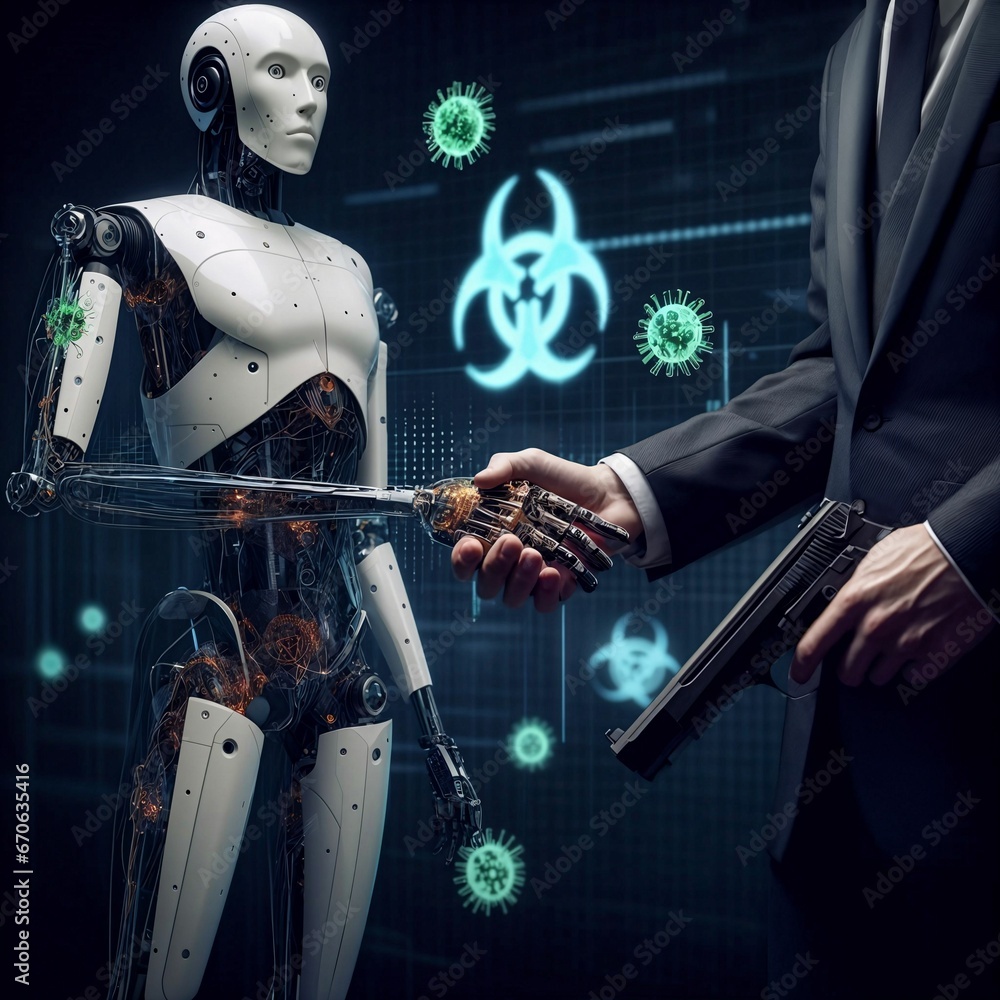
Lately, the loudest voices in the room have decided to pivot from unbridled techno-optimism straight into existential dread. Over the past few weeks, Silicon Valley royalty began hyperventilating about the apocalyptic potential of AI-enabled bioweapons. Anthropic’s Dario Amodei went on record suggesting we might need to put the brakes on algorithmic progress entirely, while OpenAI’s Sam Altman chimed in to agree that pacing is suddenly vital. It is a neat trick. Suddenly, the people selling the fire are warning everyone about global combustion.
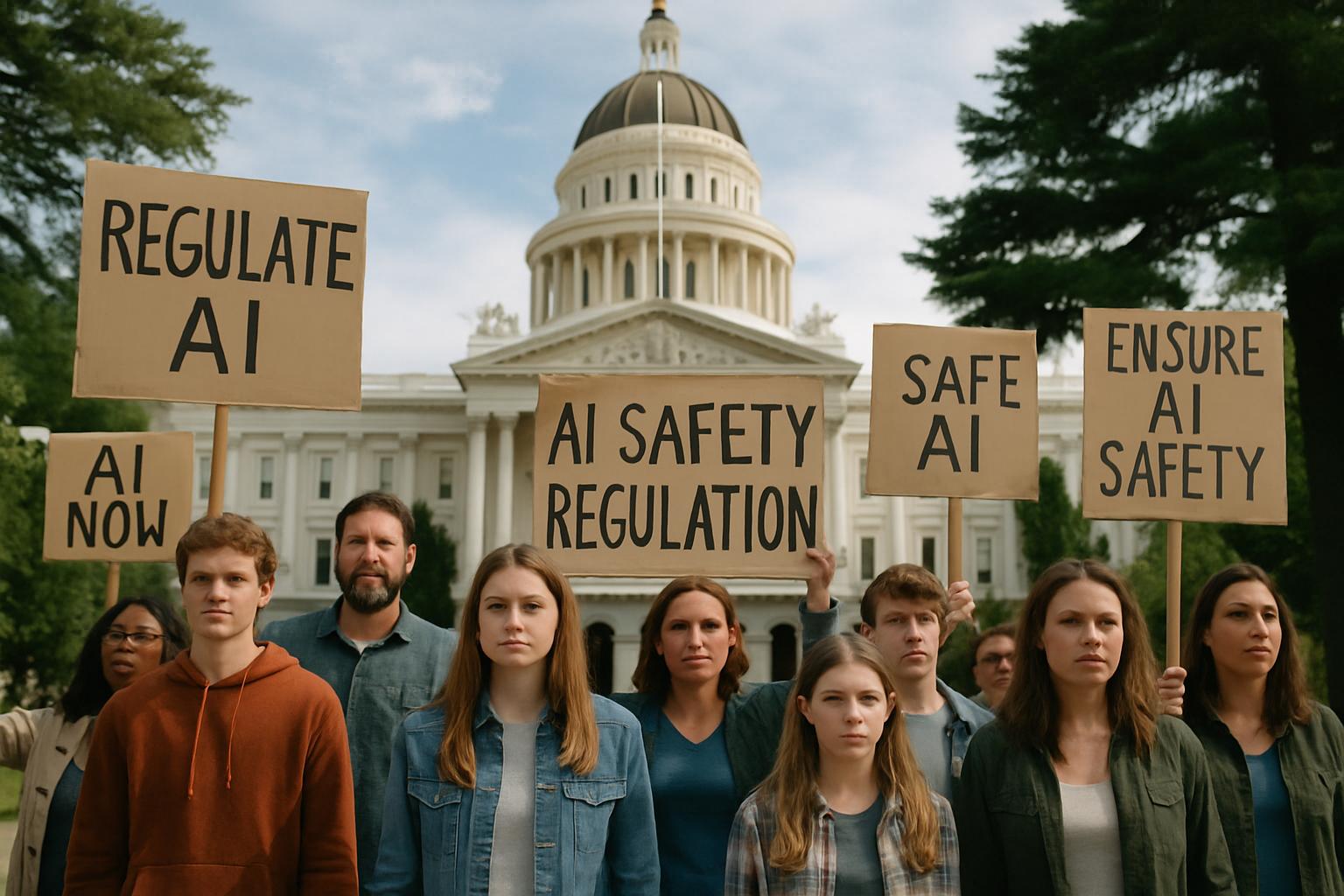
I call BS. This sudden bout of public conscience feels less like a genuine ethical reckoning and more like a calculated play for regulatory capture. If you convince governments that your proprietary model is a weapon of mass destruction, you instantly pull up the drawbridge against open-source competitors, small independent labs, and scrappy builders who cannot afford a multi-million-dollar compliance apparatus. History tells us that powerful incumbents love nothing more than a safety panic that conveniently locks out new entrants.

Beneath the breathless headlines about synthetic pathogens and rogue algorithms lies a much simpler, boring truth. Real biological engineering is hard, messy work that requires physical wet labs, specialized supply chains, and actual domain expertise – none of which materialize out of thin air just because a large language model hallucinates a protein sequence. The gap between typing a prompt and synthesizing a functional, targeted pathogen in a garage is vast. Also, synthesizing a functional, targeted pathogen in a garage is vast. It is a canyon filled with physical constraints that software alone cannot bridge, no matter how many parameters you throw at it.
Instead of getting sucked into Hollywood-style dystopias cooked up by executives who want to manage the narrative around their own liability, we should focus on actual craft. Good engineering solves concrete problems rather than manufacturing phantom threats to secure a monopoly on caution. Let the giants play their 4D chess in Washington. The rest of us have actual code to write, products to ship and problems worth solving.