Gemini 3.8 Text-to-Speech and the Quest for Real Audio Direction
Google's new Gemini 3.8 text-to-speech models promise granular direction and custom voices. Here is what it actually means for builders....
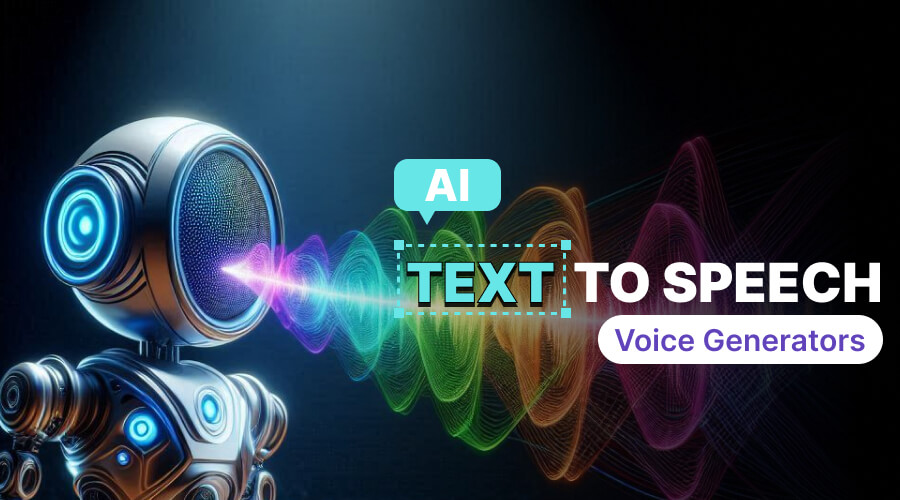
Most synthetic voices still sound aggressively generic. They read words, but they completely miss the intent. Google is trying to fix that with the drop of Gemini 3.8 text-to-speech, a fresh suite of models meant to turn rigid audio generation into an actual creative studio. I have tested enough robotic text-to-speech systems to maintain a healthy dose of skepticism whenever a tech giant promises human-like cadence, yet the depth of control on offer here genuinely caught my attention.
The flagship Flash TTS variant isn't just about picking a preset and praying for a decent read. You can spin up completely bespoke vocal profiles from scratch using plain text prompts, tweaking accents and regional quirks across over a hundred languages. Want a narrator with a specific cadence? Type it out. Need to clone a voice from a thirty-second clip? It handles that too, complete with basic consent checks and watermarking to keep things somewhat ethical.
Where this release gets genuinely interesting for developers and small teams building audio products is the direction layer. This Instead of generating a whole paragraph and hoping the inflection lands, you can script stage directions line by line. Real talk: pacing, sighs, pauses. And backchanneling can be steered directly. That level of micro-management bridges the gap between text-to-speech tools. And actual voice acting — in a way.
Of course, shipping this stuff at scale is where the real friction usually lives. It The Flash-Lite model is Google's answer to the high-volume, cost-gains problem, aimed squarely at dubbing pipelines and conversational agents that cannot afford to lag. Whether these models hold up under heavy output loads remains to be seen. But the tooling is finally — to be fair — starting to match the ambition of the builders using it.