EU Forces Apple to Crack Open the App Tracking Transparency Prompt
Apple is finally tweaking its rigid App Tracking Transparency framework in Europe, offering developers a mandatory alternative prompt with a twist....
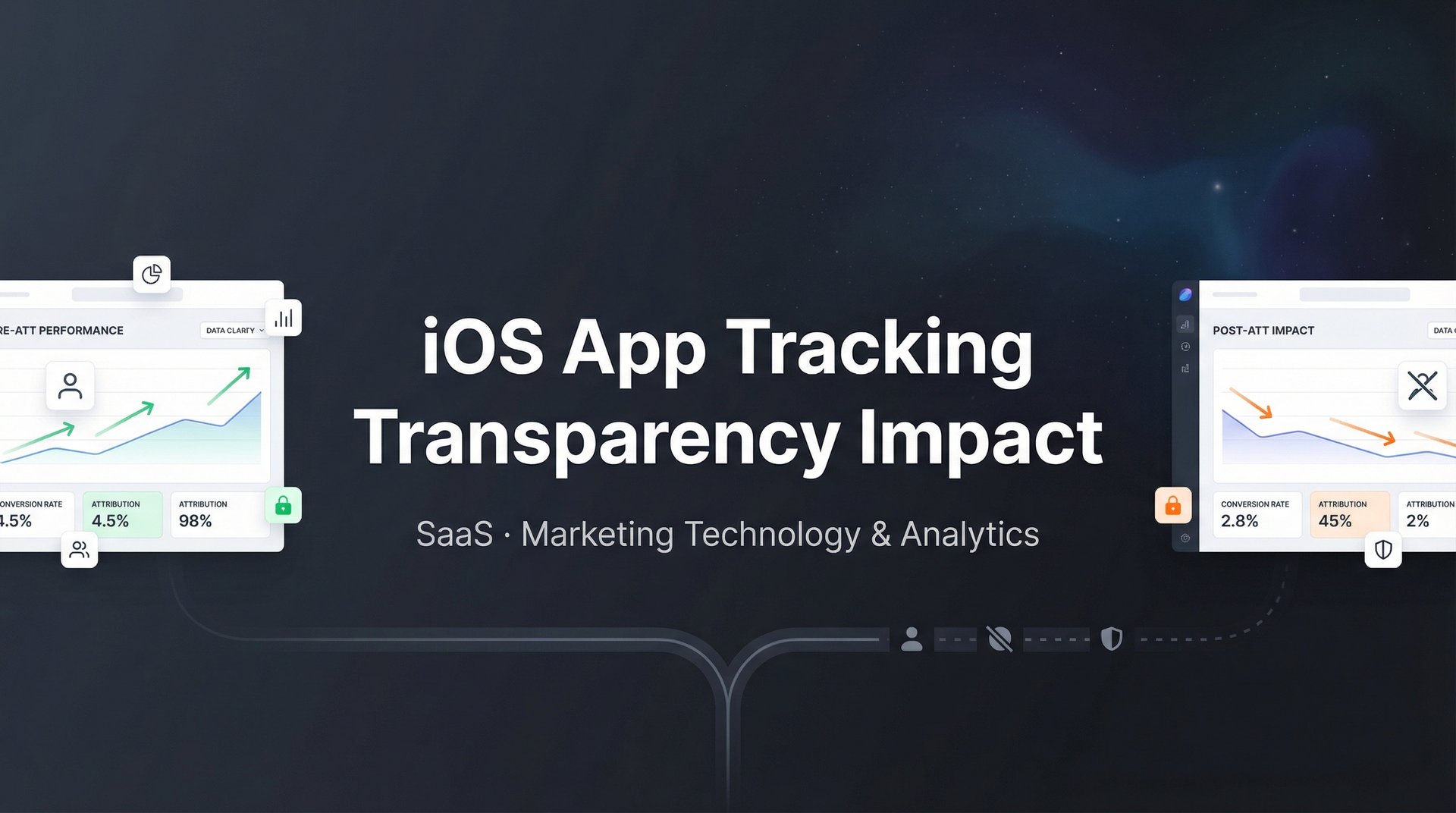
Regulation moves slowly. Then, suddenly, it changes the entire map. Germany's Federal Cartel Office spent years investigating whether Apple's ironclad App Tracking Transparency rules gave Cupertino an unfair structural advantage over third-party ecosystems, claiming the gatekeeper held everyone else to a standard it conveniently bypassed for its own ad inventory. Apple denied it, naturally. But antitrust pressure is a stubborn thing, and the resulting settlement means things are shifting.
Starting with iOS 27.2, the field looks different across select European territories. Developers working in markets like Germany, France, Italy, Poland, and Romania will be forced to deploy an alternative system prompt. This isn't just a minor cosmetic tweak. The revised dialogue introduces modified wording and a dedicated text button labeled "Additional Information," giving builders a sliver of native real estate to actually explain why data linkage matters for ad measurement or targeting before the user makes a knee-jerk denial.
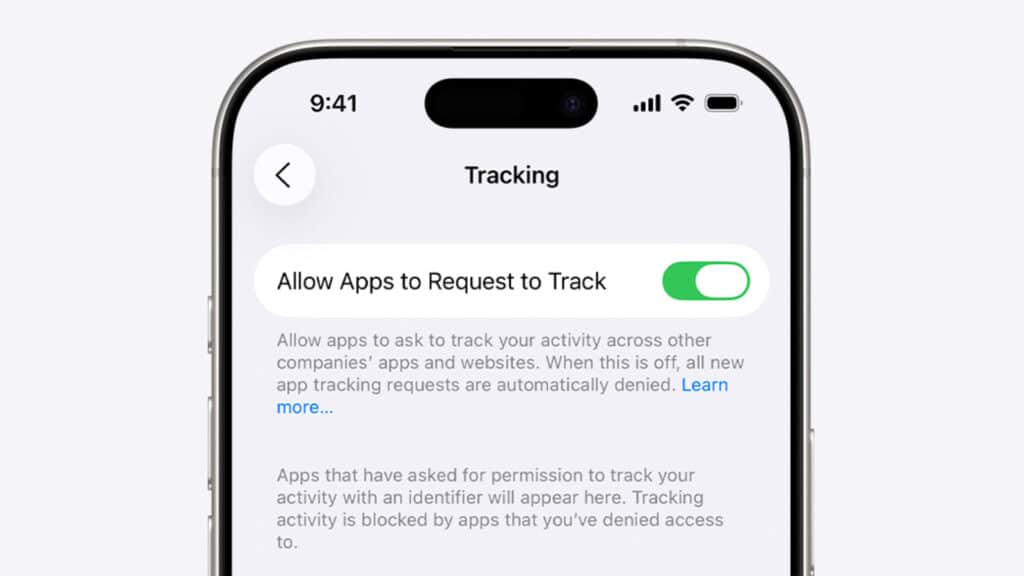
There's also a functional olive branch tucked into the compliance notes. EU developers can now re-prompt users a full year after their initial choice, blowing past the old, permanent lockout that made a single accidental tap devastating for small app businesses. For years, indie developers lived in terror of that binary dialog box. One casual tap of "Ask App not to Track" meant goodbye to predictable acquisition metrics forever.
Of course, this won't magically rebuild broken tracking funnels or return us to the wild west of data harvesting. Users remain deeply skeptical, and rightfully so. But injecting subtle and a second chance into the equation acknowledges a basic truth: rigid, authoritarian prompts masquerading as pure user choice rarely tell the whole story. Real privacy means informed consent, not just hostile architecture.









