Why Double-Blind AI Evaluations Are the Reality Check the Industry Needs
Model benchmarking is broken because test sets keep leaking into training data. Cryptographic isolation might finally fix it....

We have a massive cheating problem in artificial intelligence, and everybody is pretending it is fine. When a frontier model scores near-perfect marks on a standardized benchmark, the champagne corks pop and marketing teams flood the timeline with triumphant press releases, but if you actually dig into the methodology behind these soaring figures, you frequently discover the exact same dirty secret: the model practically studied the answer key ahead of time.
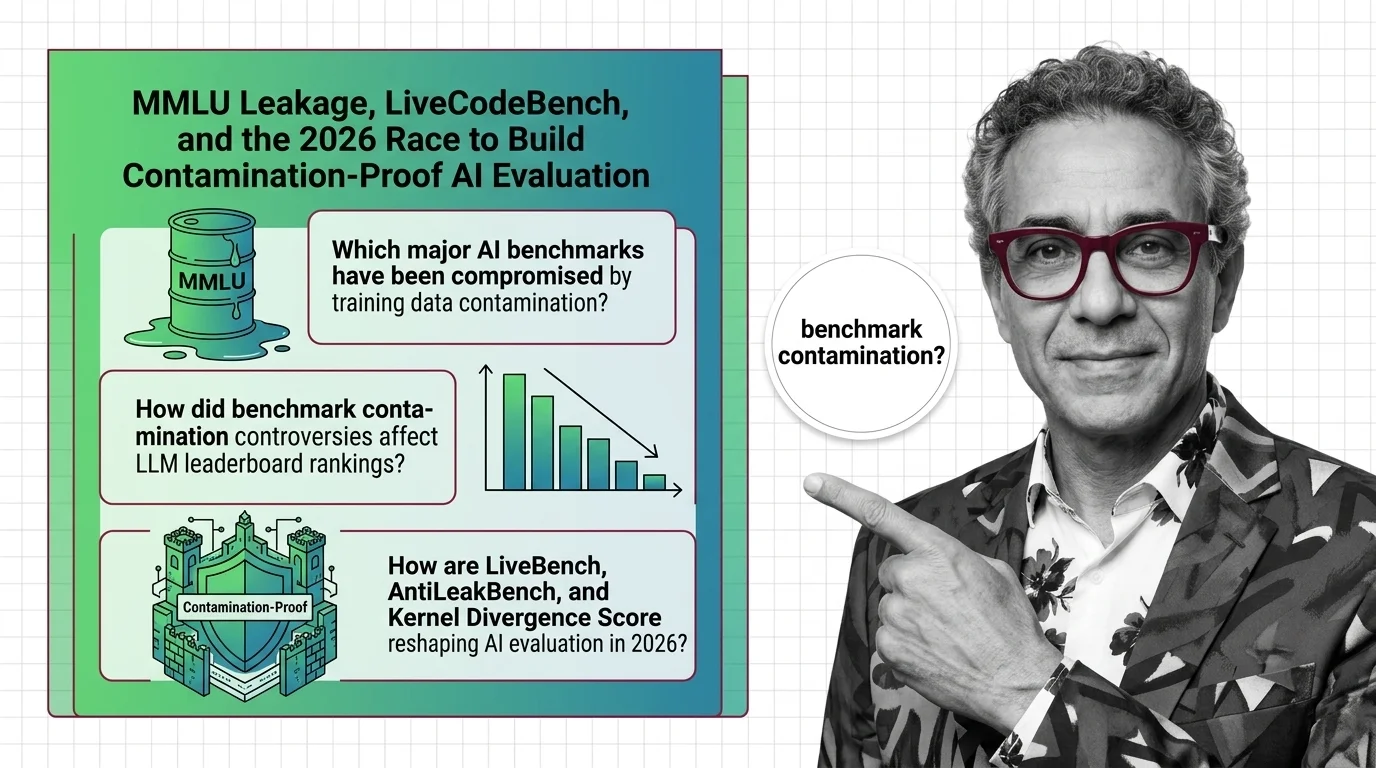
Benchmark contamination is running rampant. If a student sneaks a peek at the final exam the night before the bell rings, an "A" grade tells you nothing about their actual mastery of the subject matter. Yet the tech industry has treated these inflated scores as gospel for years, leaning heavily on empty hype instead of demanding tough, uncompromised proof from the labs building these systems.
Historically, this dilemma boiled down to an ugly standoff over proprietary secrets. Independent safety institutes want to run confidential tests to see how a system behaves in the wild, but frontier labs guard their model weights like state secrets because losing them means losing a multi-million-dollar competitive edge, forcing an impossible trust exercise in an industry where spin always beats honesty.
Enter confidential computing. By locking the testing loop inside secure hardware enclaves, both sides finally get cryptographic guarantees that protect their valuable intellectual property. Evaluators can seal novel prompts tightly away so the model provider cannot harvest them for future training cycles, meaning the model runs completely blind inside a secured sandbox while the host infrastructure ensures nobody sees what they shouldn't.
Crypto boxes do not completely solve the broader philosophical mess of what benchmarks are measuring these days. A model can easily ace a static suite of multiple-choice queries while failing catastrophically when faced with messy, real-world constraints, but tightening up the review protocol remains a desperately needed baseline if we want any sort of genuine maturity in this space.
Real builders know that metrics are only as good as the honesty of the test. Moving toward zero-trust validation forces labs to actually build better systems rather than just overfitting their training runs to known distributions, and I want to see this kind of cryptographic rigor applied across the board – from independent safety institutes to public leaderboards – so models can finally fail honestly in the dark.