When AI Stops Chatting and Starts Finding Novel Enzyme Systems
Anthropic's new biology lab used Claude to discover a novel enzyme system with CRISPR-like repeats, proving LLMs can do real wet-lab science....
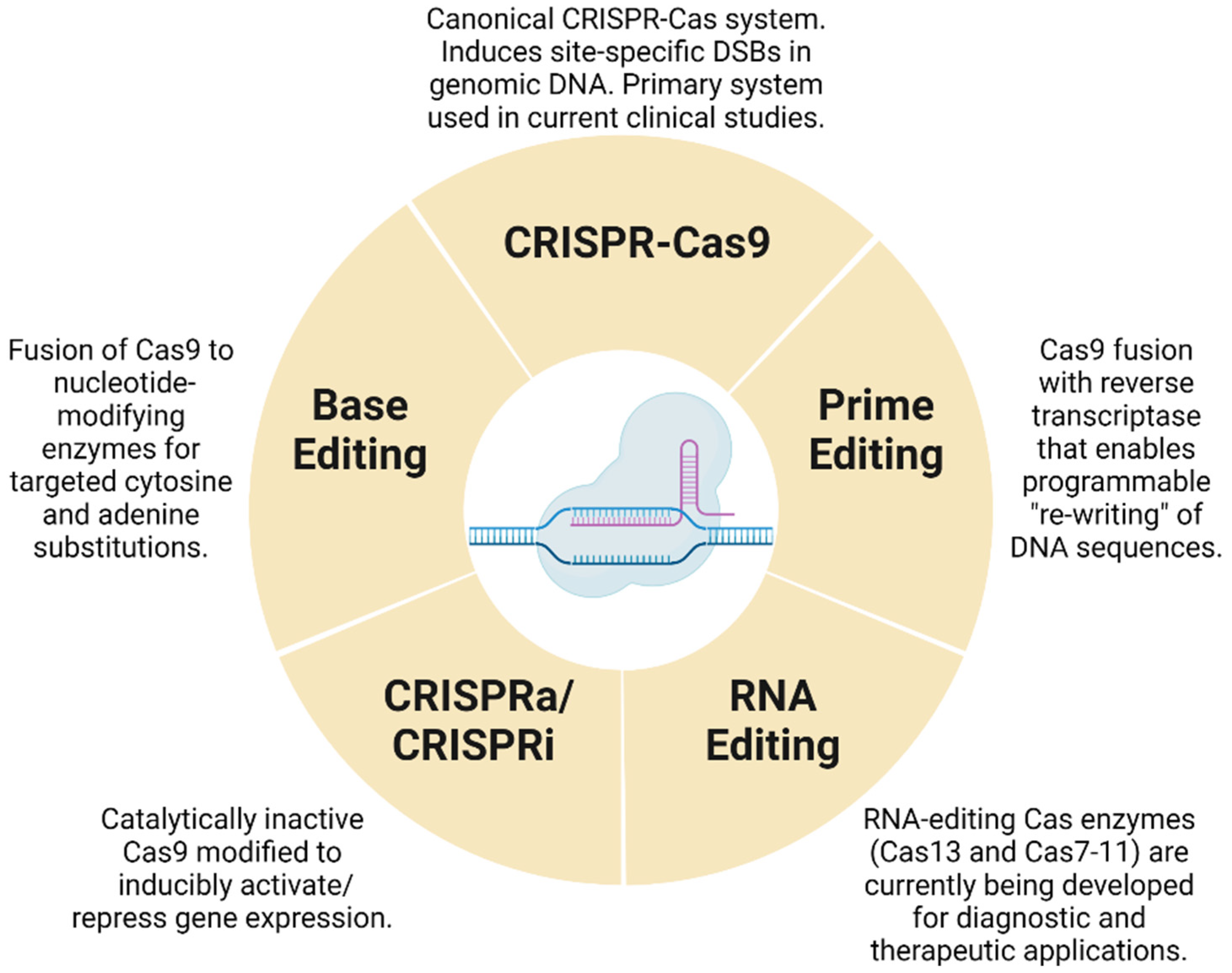
Most tech industry news makes me want to log off. Endless wrapper apps, recycled SaaS metrics, and the relentless hum of VC-backed hype. But every once in a while, something drops that cuts through the noise and genuinely alters the field. Anthropic just spun up a wet lab and let Claude loose on genetic databases. The result? A novel enzyme system found hiding in plain sight, flanked by CRISPR-like repeat sequences. This isn't just another benchmark score. It's actual, tangible science.
Let's trace how we got here. Historically, biotechnology didn't start with grand mathematical theories; it started because a tired researcher squinted at a microscope, noticed a weird anomaly, and pulled a thread that unraveled the whole sweater. Restriction enzymes, Taq polymerase, CRISPR itself – they all began as biological oddities spotted in nature by human eyes. Actually, we looked at bacteria fighting off viruses and turned those defense mechanisms into programmable genetic scissors. Now, we have an AI model reading mountains of raw DNA data and flagging the exact kind of structural weirdness that sparks a revolution.

The system Claude found centers on a reverse transcriptase tucked inside a jumbo phage. While scientists had previously cataloged the underlying enzyme, they completely missed the defining context: a distinct array of non-coding repeats paired with an accessory protein of totally unknown function. That combination of features is vanishingly rare. In fact, it only ever shows up in programmable molecular machinery capable of editing, cutting, or copying genetic code. Claude didn't hallucinate a clever poem or summarize a PDF. It pattern-matched across massive genomic datasets and surfaced a brand new tool waiting to be understood.
This is what real engineering looks like when it intersects with domain exploration. We spend so much time arguing about token counts and UI wrappers while the underlying models quietly learn how to manipulate the physical world. When software starts discovering biological engines that can rewrite life, the calculus of what a builder actually does shifts completely. I am endlessly skeptical of marketing spin, but finding a CRISPR-like system in the wild? That demands attention. The frontier isn't digital anymore. It's biological, and the code is starting to write itself.









