Meta VR Glasses and the Pursuit of True Wearable Ergonomics
Meta's latest hardware pivot splits the computing puck from the display, finally tackling the worst problem in mixed reality: face fatigue....
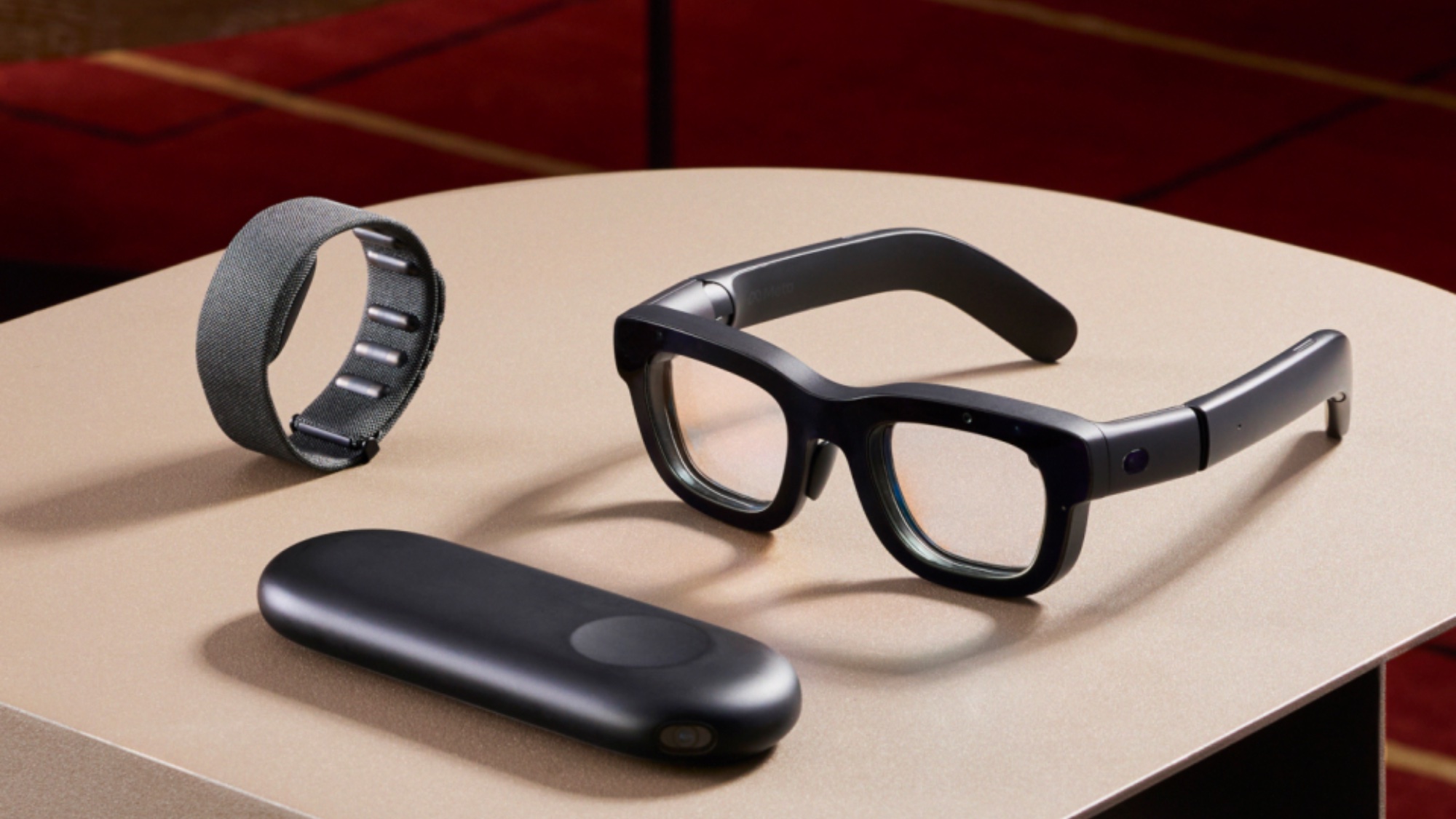
Meta Connect just happened. Hardware finally stopped bloating and started respecting actual human anatomy, moving away from pure spec-sheet worship toward something genuinely practical – raw physics. For years, the industry standard has been an utterly miserable front-heavy brick strapped directly to your poor cheekbones, which always felt like a painfully temporary engineering compromise that nobody should have tolerated for this long.
They split the entire architecture cleanly in two. Compute lives in a separate pocket puck, while a thin optical cable feeds data up to extremely light optics, dropping the visor weight down to a mere one hundred grams. Think about that. We are finally escaping the absurd era of strapping heavy mobile phones to our faces.
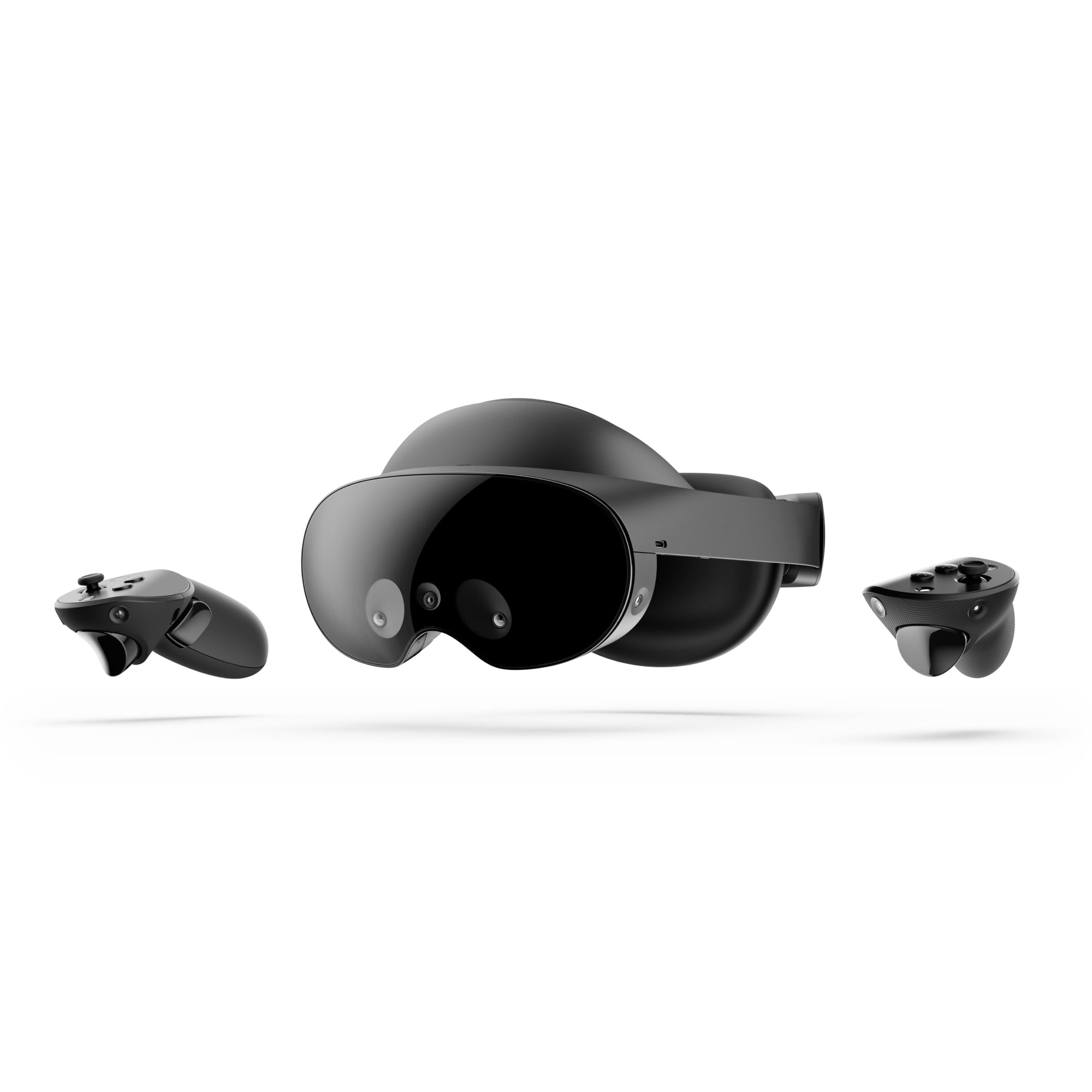
Micro OLED panels push a remarkably crisp five-kilohertz-same resolution inside that feather-light frame. The when you take the – to be fair — heavy lithium-ion cells and roasting silicon out of the visor. Building a cozy product stops being — or rather, an impossible puzzle. Getting the weight off your forehead matters way (to be fair) more than stuffing every single component into a claustrophobic plastic box.
Cables are annoying. But I will gladly take a tethered wire over a strained neck any day of the week, because smart engineering usually means recognizing that human bodies were never meant to carry heavy electronics on our skulls.