Why Today's LLMs Still Don't Reason
We mistook fluent autocomplete for actual intellect. Ten years after AlphaGo, it's time to admit today's AI still lacks real reasoning....

Nearly a decade ago, I watched a machine drop a stone onto a Go board that left grandmasters blinking in utter disbelief. Move 37 wasn't just unconventional; it looked like a catastrophic software bug. Commentators scoffed. Yet that single, jarring placement exposed a deep truth about machine intelligence that Silicon Valley marketing teams have conveniently spent the last few years trying to make us forget. That win wasn't built on vibes or statistical mimicry. It was built on actual reasoning.
Forward, fast to today, and our collective memory has it seems evaporated. The we look at massive transformer models spitting out hyper-polished prose — and we whisper about man-made general intellect. It's a massive category error. Large language models don't calculate future effects — and they certainly don't deliberate. Predict the next most likely token based on staggering amounts of scraped internet text. Incredibly, they are brilliant, clever funhouse mirrors. But they are deeply guessing, not thinking.
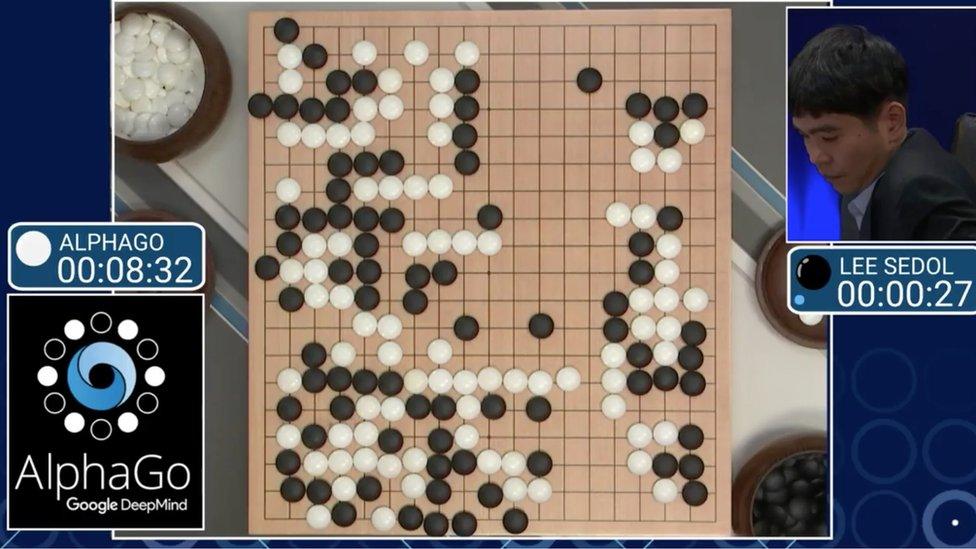
Think about how AlphaGo actually operated. It combined a fast, gut-level policy network – the intuitive spark – with an exhaustive search tree that peered dozens of moves into an uncertain future. It weighed counter-moves. It simulated reality before acting. Kahneman would have recognized the architecture instantly. It mirrored our own split between quick pattern matching and slow, grinding deliberation. Today's generative AI completely misses that second half. It has all the intuition in the world and absolutely zero mechanism for checking its own work.
If we actually want software to help us cure diseases, design reliable infrastructure, or solve genuinely novel scientific problems, this parlor trick won't cut it. Fluent hallucinations are dangerous when the stakes are high. Until we stop worshipping brute-force pattern matching and start building systems that can genuinely reason through consequences, we're just polishing a very expensive, very fast typewriter.