The Great AI Upskilling Paradox: Why Companies Are Failing Their Teams
Nearly 70% of workers use AI weekly, yet over half get zero time to actually learn how it works. That's not a strategy; it's a disaster in slow motion....

Everybody wants an AI-driven workforce until it's time to actually help people learn. It a recent study caught my eye. Frankly, the numbers are staggering. Nearly seventy percent of experts now weave artificial intelligence into their weekly routines – a massive jump from last year. But here is the kicker: more than half of those same employees report having zero time allocated during the workday to figure out what they are doing.
Let that sink in. Corporate leadership loves to talk about transformation, agility, and staying ahead of the curve in 2026. Boardrooms are practically high-fiving themselves over projected efficiency gains. Yet they expect staff to magically master complex toolchains, prompt engineering, and workflow integration entirely on the side. That is pure delusion.
People are overwhelmed. They're drowning in a sea of half-baked tutorials while trying to hit their actual metrics. You have to carve out actual space for experimentation if you want genuine competence instead of surface-level prompt guessing. Psychological safety isn't a poster on the breakroom wall; it's giving someone three uninterrupted hours on a Tuesday to break things and learn.
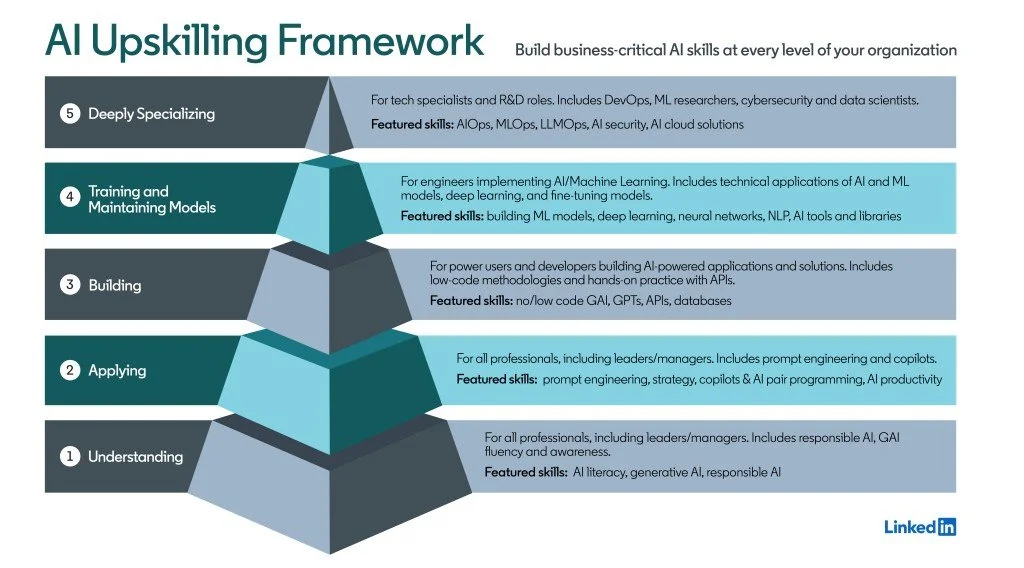
They end up with fragile systems. And exhausted teams when firms treat skill development as an afterthought. True mastery requires patience, deliberate practice, and institutional backing. Until leadership stops treating upskill time as a luxury and starts it as core base, this disconnect will only widen.
Building real capability takes more than handing someone a subscription and wishing them luck. It demands respect for the craft of learning. If we keep pretending people can absorb deep technical shifts through osmosis between meetings, we are setting ourselves up for a collective collapse.