The Pentagon Wants an AI-Powered Lie Detector, and It’s a Terrible Idea
The Department of Defense is throwing thirty million dollars at an AI-powered lie detector. History suggests this will end in expensive, automated disaster....

Washington is at it again. According to a recent defense budget request, the government plans to sink roughly thirty million dollars over the next five years into an upgraded, algorithmic truth machine. They are calling it Polygraph Plus. It sounds like cheap sci-fi, but it is real, and it is profoundly stupid. We are looking at a system designed to fuse machine learning scoring with standoff sensing, attempting to read physiological betrayal from a distance while algorithms decide if a human being is being honest. It is snake oil wrapped in a neural network.
Let us be entirely clear about how traditional polygraphs actually work. They are junk science. Psychologists, neuroscientists, and courts have known this for decades, treating the standard lie detector test less like a scientific instrument and more like a high-stakes psychological interrogation tactic designed to extract confessions through intimidation rather than actual data. They measure sweat, heart rate, and breathing, then assume nervousness equates to guilt. It is fundamentally flawed. Now, technocrats want to take this exact same pseudoscience, inject machine learning into the backend, and pretend that the addition of AI magically launders its baseline inaccuracy into objective truth.
The engineering hubris here is staggering. Machine learning models thrive on clean, massive datasets with clear ground truths. How, exactly, do you train an algorithm on what a lie looks like in the wild? Human emotion is messy, contextual, and deeply misunderstood. An anxious innocent subject will trigger the exact same physiological spikes as a calm, seasoned liar who simply does not care. Feeding these noisy, unscientific inputs into a black-box neural network does not fix the underlying garbage. It just automates the bias and gives flawed institutional decisions a shiny, computational veneer that makes them much harder to appeal.
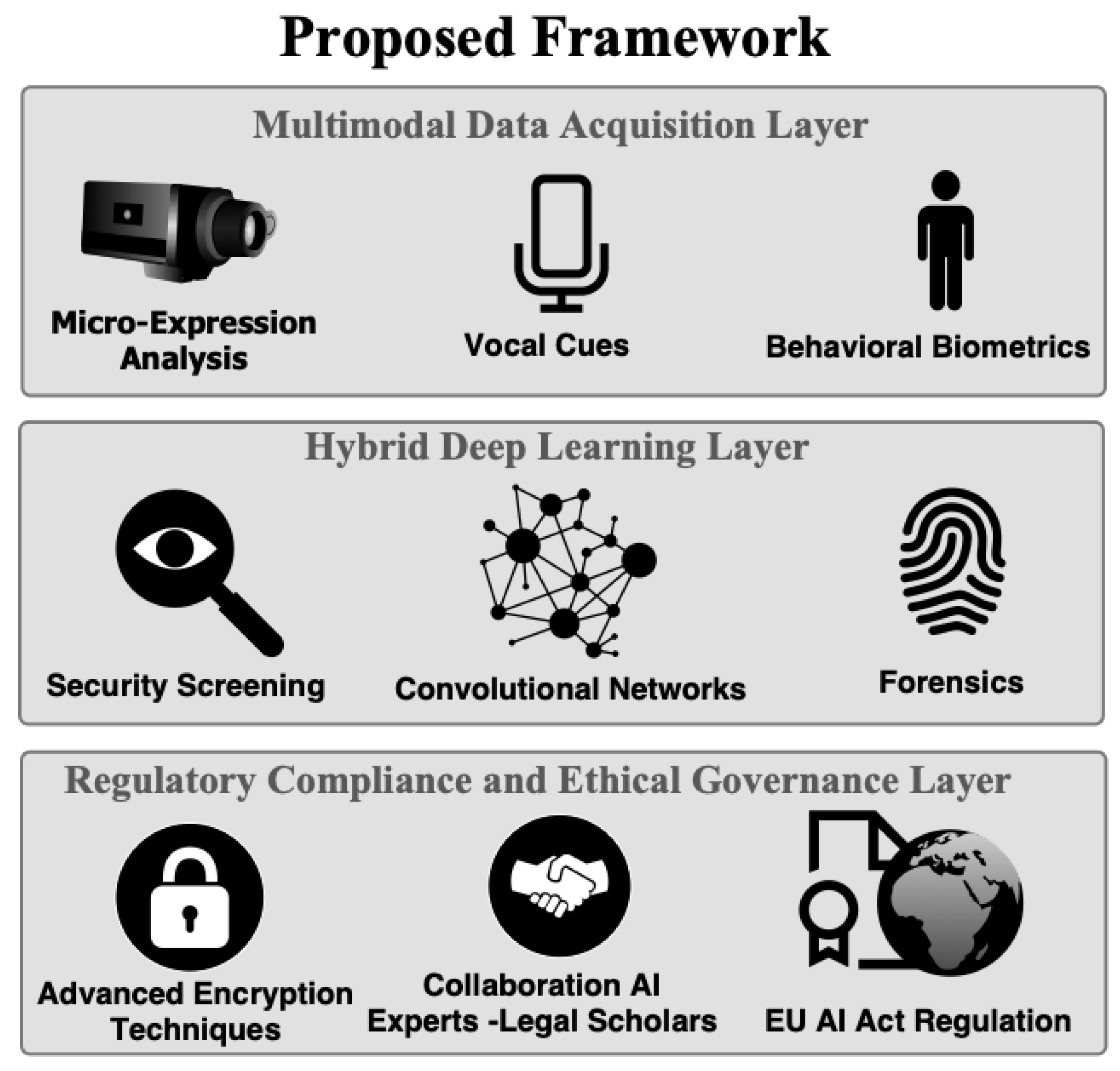
We have seen this movie before. Every few years, defense contractors convince some bureaucrat that software can solve human problems if you just throw enough millions at the problem. They promise objectivity. They deliver automated prejudice. Standoff sensing and biometric profiling from afar cross ethical lines we should not even be approaching, let alone funding with taxpayer cash. Real engineering solves hard, well-defined problems with rigorous constraints and respect for reality. This project ignores reality entirely, clinging instead to the comforting, dangerous myth that human complexity can be neatly sorted into binary columns of true and false by a glorified curve-fitter.
At some point, builders need to push back against the magical thinking poisoning modern tech procurement. It tech is not a wand you wave at systemic failures to make them disappear. We'll keep wasting fortunes on digital phrenology until we stop treating machine learning as an infallible oracle for human behavior. Thirty million dollars could fund a lot of actual, useful research. Instead, it is buying a more efficient way to fool ourselves.