Why the Open TTS Leaderboard Changes How We Judge Synthetic Voices
Voice cloning and text-to-speech are moving faster than our ability to evaluate them. A new benchmark is finally fixing that bottleneck....
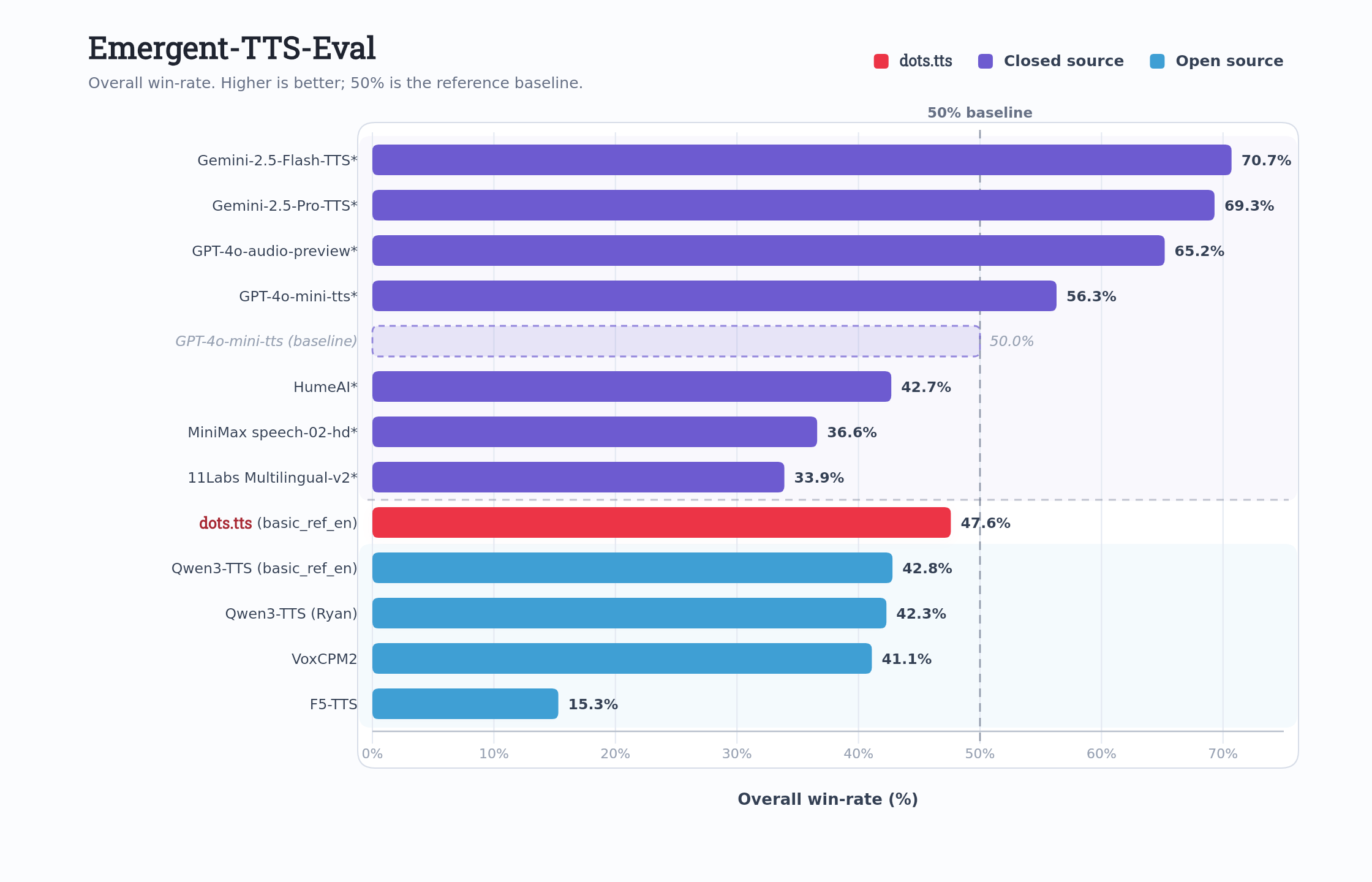
We are drowning in synthetic voice models. Every week brings a sharper, faster, more hyper-realistic text-to-speech engine claiming human parity, yet the infrastructure we use to evaluate these tools remains painfully stuck in the past, relying on sluggish human preference polls that take weeks to compile and inevitably tilt the playing field toward well-funded closed-source API peddlers who can afford the marketing push.
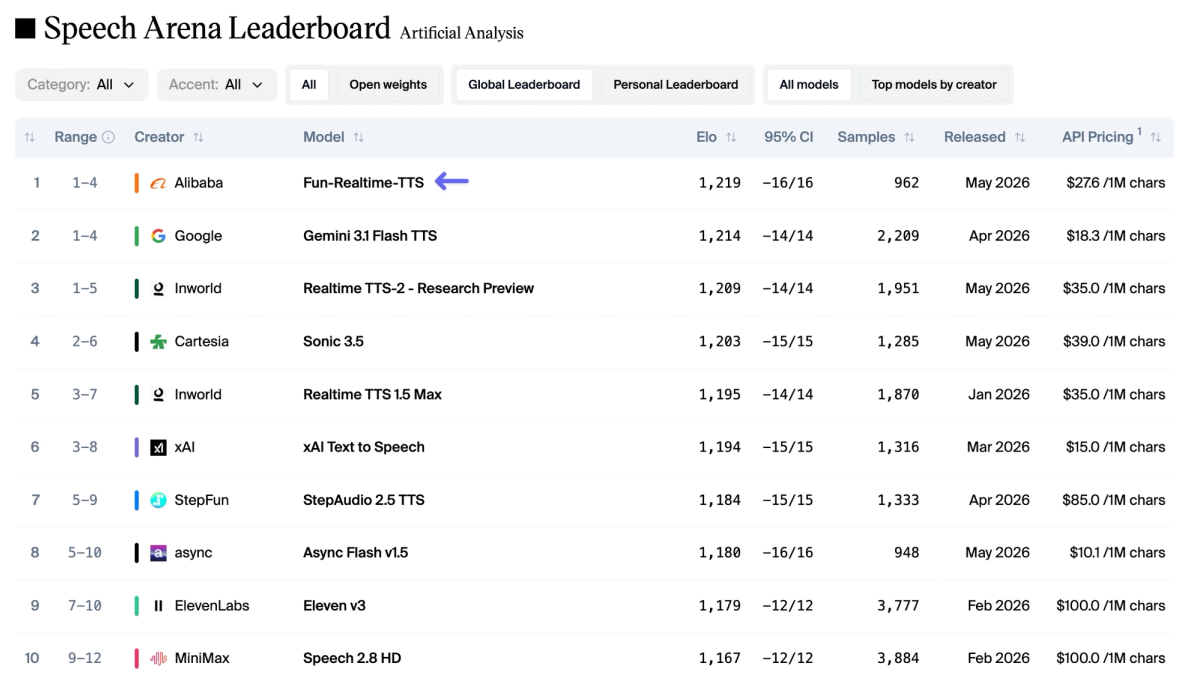
Human preference is great in theory, but arenas don't scale. Voting fatigue is real, voter consistency is a myth. Hosting open-weights models for subjective bake-offs is an administrative nightmare that leaves open-source builders out in the cold. It takes weeks of grueling crowdsourced voting just to get a reliable Elo score, which means by the time a model actually hits the leaderboard, it is already obsolete.
Enter the Open TTS Leaderboard. Instead of waiting around for thousands of subjective human votes, it cuts evaluation cycles down to a couple of hours by leaning into hard, objective math that tests what actually matters when you are building real software: intelligibility via automated speech recognition, raw inference speed on modern hardware, and strict speaker similarity measured through embedding cosine distance.
Of course, objective metrics miss the tricky magic of human expressiveness. They give us a brutally honest baseline. Funny enough, they level the playing field for open-weights models and let small teams iterate without getting buried in hype — surprisingly enough. Good engineering demands fast feedback loops — and for the first time, we finally have one for audio.









