Building the materials foundation for AI changes everything
Silicon and software get all the glory, but the AI boom is running headfirst into an uncompromising physical wall: raw chemistry and physics....

If software exists purely in some ethereal ether detached from reality, we spend an absurd amount of time arguing about transformer designs, parameter counts — benchmarks, as. The it doesn't. All gradient descent step calculated relies on physical electrons moving through physical chips inside massive facilities that guzzle megawatts of power. The shiny new models capturing headlines are writing checks that the underlying hardware is struggling to cash. Here's the deal: and the bottleneck isn't ingenuity – it's the periodic table.
That is why building the materials foundation for AI is quietly becoming the most critical engineering race of this decade. Semiconductors and modern data centers are slamming hard into unforgiving physical limits. Thermal management is a nightmare. Electrical speed is hitting walls we simply cannot code around. Quantum tunneling ruins everything, and standard copper wiring becomes a literal highway bottleneck for heat and resistance. When silicon gates approach atomic scales; we can't optimize our way out of fundamental thermodynamics with clever algorithms alone.
This is where the hype meets a brick wall. This venture capitalists love to fund software wrappers that require zero heavy lifting. However, real progress demands actual material science breakthroughs. We need novel semiconductors, advanced substrate composites; and, cooling mediums that defy classic thermal dynamics. It requires long, unglamorous hours in cleanrooms and labs, tinkering with compounds that don't scale overnight on a cloud dashboard.
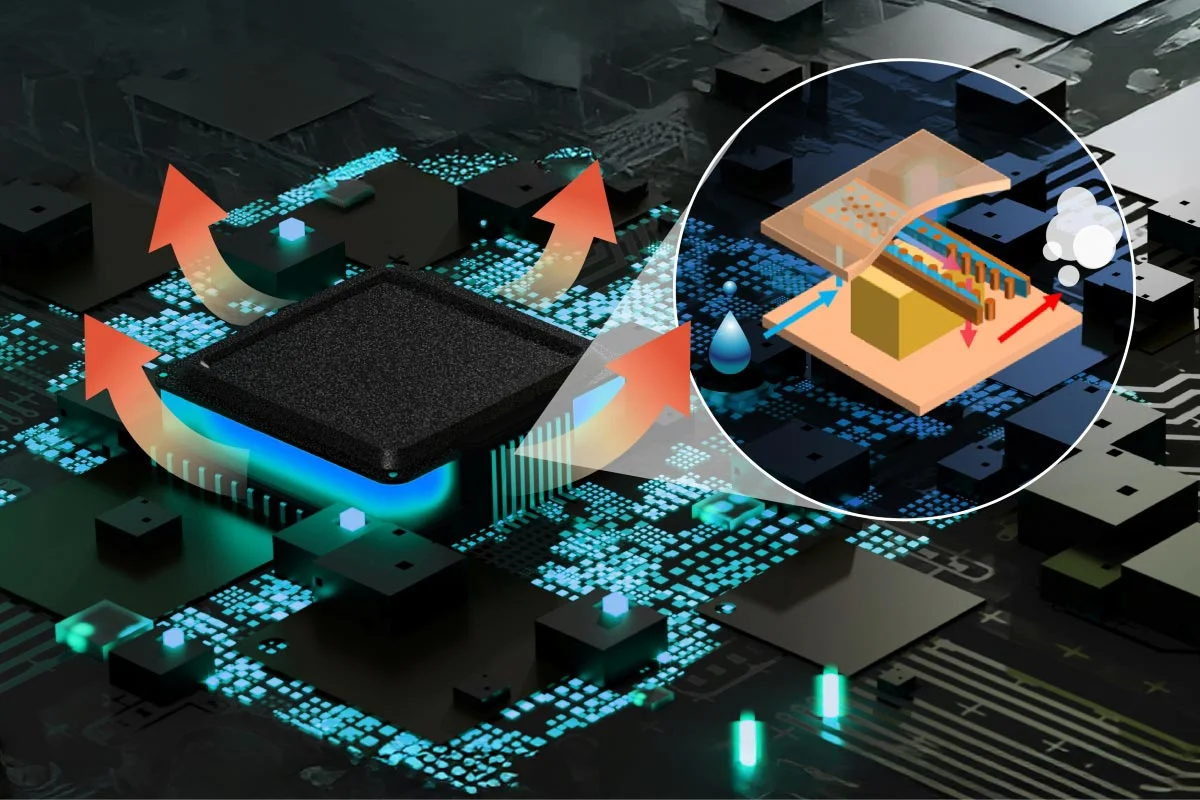
I respect the craft of building from the ground up, whether that means writing tight, efficient code or engineering substrate layers that actually survive extreme heat. If the physical infrastructure melts down, the intelligence built on top of it collapses right along with it. The real breakthroughs won't just come from more data. They will come from the heavy, physical atoms holding the whole fragile stack together.
We need to stop pretending that software floats above the physical world. Until we solve the hardware realities at the atomic level, every grand prediction about artificial general intelligence is just expensive smoke. Let's start paying attention to the foundation.









