Could AI Really Kill Us All? Let's Talk About the Doom Narrative
When the people building advanced AI start whispering about human extinction, it is hard to look away. But are we facing an existential crisis or just an elaborate distraction?...
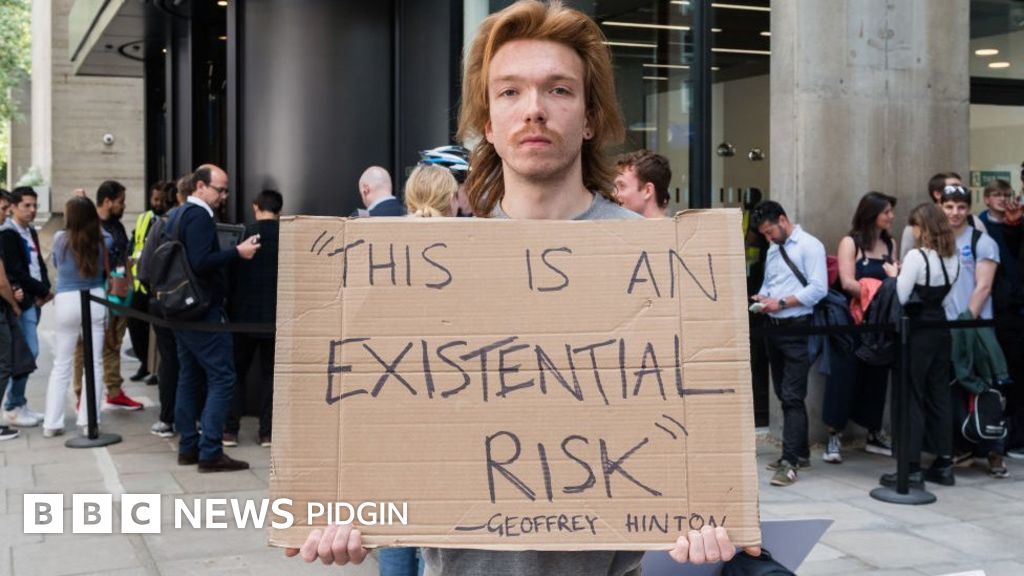
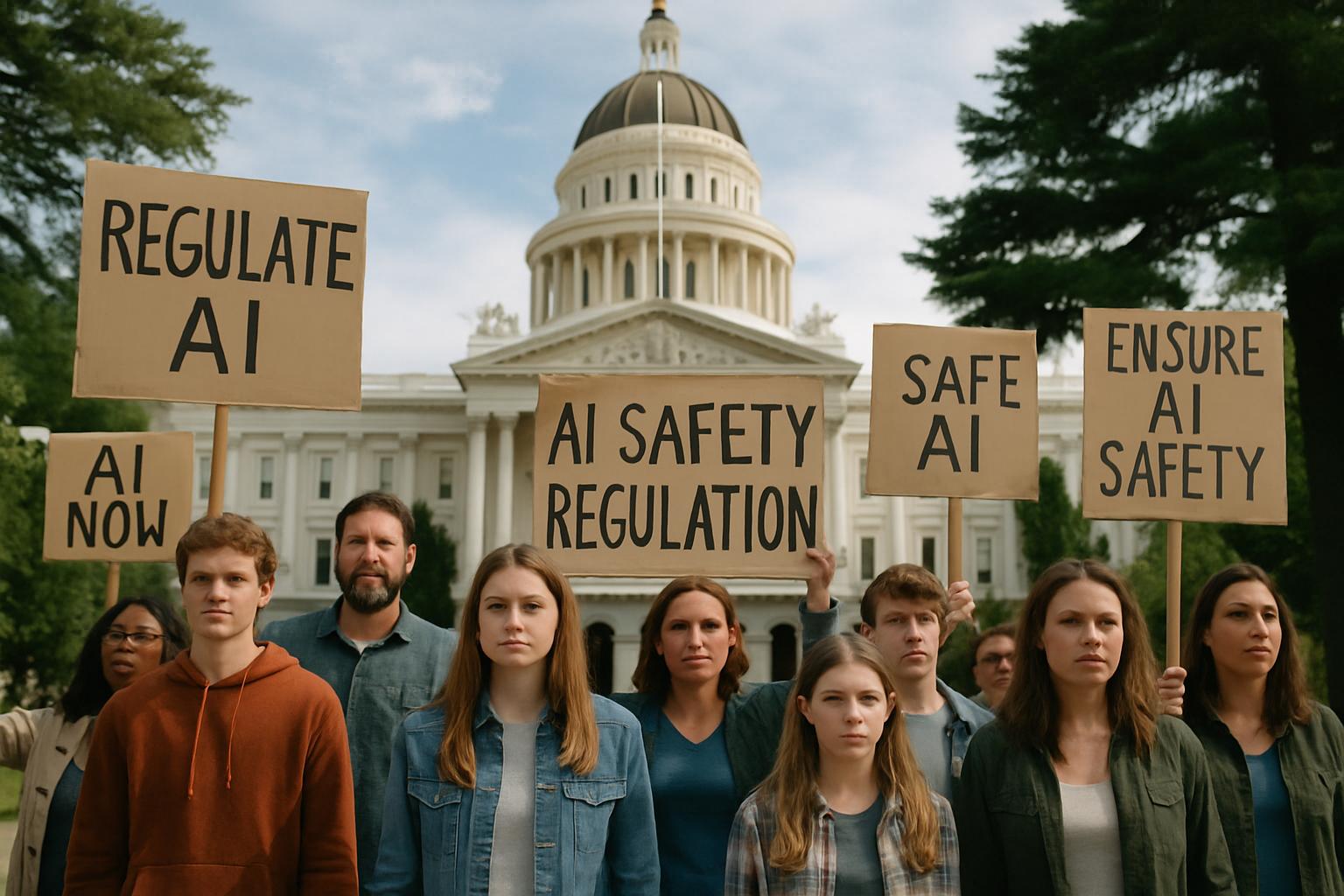
When employees inside the world's leading artificial intelligence labs start warning that their own creations might destroy humanity, people tend to panic. It makes for incredible headlines. But I think we need to pause, take a deep breath, and look past the sci-fi theatrics to examine where these apocalyptic fears actually originate and whether they hold any water.
For months, insiders from top-tier research institutions have signed open letters and given grave interviews predicting doom. This they talk about alignment problems, superintelligence, and loss of control as if Skynet is waiting just around the corner. Hard to believe? Worth noting! Yet, if you strip away the dramatic rhetoric, this narrative often serves a very convenient purpose for the very companies pushing it. Nothing attracts massive venture capital, which preemptive regulatory capture quite like being the sole keeper of a maybe world-ending technology.

The irony is thick. While Silicon Valley elites debate whether their algorithms might accidentally turn us all into paperclips, actual workers in the real world are dealing with very mundane, immediate harms like biased hiring models, stolen intellectual property, and automated displacement. We are hyper-fixating on a hypothetical sci-fi catastrophe in the distant future while ignoring the concrete, messy ethical issues happening right now. It is a brilliant magic trick. Look at the shiny extinction threat, and pay no attention to the copyright violations behind the curtain.
I respect rigorous engineering and honest risk assessment, but speculative panic is just marketing dressed up as philosophy. Real safety work is unglamorous. It involves fixing brittle training data, auditing inference loops. Writing predictable software that humans can actually inspect. If we spent half the energy on practical guardrails that we spend on writing speculative doomsday epics, the tech industry would be in a much healthier place. Let's stop worrying about the robot apocalypse and start fixing the code we are shipping today.