Building Local AI Apps with C++ and NVIDIA TensorRT RTX Samples
Forget the cloud monopoly. Here is how native C++ and ONNX Runtime are finally making local AI inference practical on real hardware....
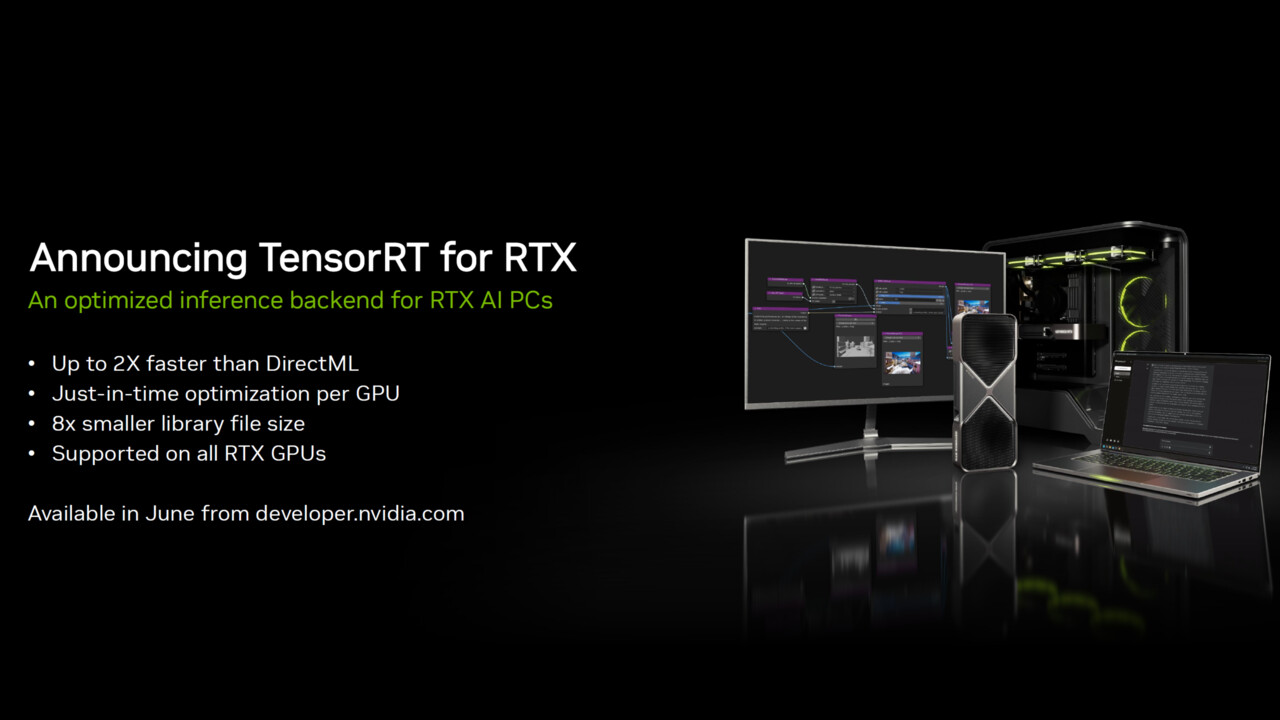
Most of the artificial intelligence conversation revolves around remote server clusters, massive monthly bills, and sending sensitive data to someone else's infrastructure. I am tired of it. Building local AI apps with C++ and NVIDIA TensorRT RTX samples represents a refreshing shift back to owning the metal in front of us, keeping execution tightly coupled to the user's actual GPU instead of a distant datacenter API.
The reality of shipping desktop software that handles machine learning has historically been an absolute mess of proprietary runtimes and incompatible wrappers. NVIDIA's DIN Deploy repository attempts to fix this fragmentation by pairing ONNX Runtime with the TensorRT RTX execution provider. You pull a checkpoint from Hugging Face, run a Python exporter to turn it into a standard ONNX artifact. Worth noting. And drop it straight into a clean, native C++ command-line use without dragging along a mountain of heavy framework dependencies.
It works because it separates model conversion from deployment logic. The codebase keeps vendor-specific CUDA calls isolated in optional accelerated paths, meaning your shared logic stays remarkably clean while still squeezing every drop of performance out of local silicon.

When you look at the raw hardware benchmarks for workloads like Whisper transcription or SAM 2.1 video segmentation. The difference between running on a dedicated GPU versus a standard CPU isn't just a minor tuning. It is the entire gap between a snappy desktop tool and a completely unusable prototype. By using graphics interop with Vulkan and DirectX for preprocessing. These native pipelines prove that we don't need bloated web wrappers to ship fast, responsive machine learning features directly to the desktop.
Real engineering is about control, predictability, and craft. Tools like this remind us that local AI doesn't have to be an over-engineered nightmare if we just stick to solid runtimes and respect the hardware.









