Stop Partitioning Your Drive: How I Recovered 36GB Without Magic
Drive partitioning belongs in the past. Here is how I ditched outdated storage habits and clawed back 36GB of breathing room on my main SSD....
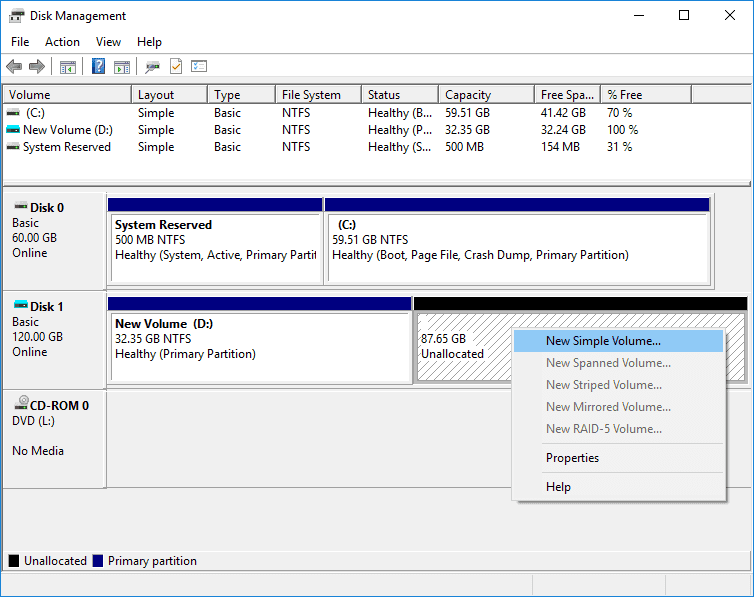
We need to talk about drive partitioning. For decades, slicing up a physical hard drive into neat little virtual compartments felt like the ultimate expression of digital organization. It gave us peace of mind. We thought we were keeping our operating system safely isolated from our personal files, treating our storage like a tidy filing cabinet. But let's be honest for a second. That practice is dead weight on modern machines. With solid-state drives dominating the hardware field and component prices remaining stubbornly high, holding onto these legacy habits is actively hurting your setup.
If tech promo loves to pretend otherwise. The engineering reality here is — and this matters — pretty straightforward, even. The engineering reality here is — and this matters—pretty straightforward, even. The underlying NAND flash memory remains one continuous physical expanse, meaning synthetic partitions offer zero speed gains. The underlying NAND flash memory remains one continuous physical expanse, meaning synthetic partitions offer zero speed gains. Then again, see the pattern? Funnily enough they — well create unnecessary friction. Your primary partition inevitably chokes on temporary files and operating system bloat while your secondary partition sits half-empty and useless. You aren't boosting anything; you're just introducing arbitrary limits that you will eventually have to fix.
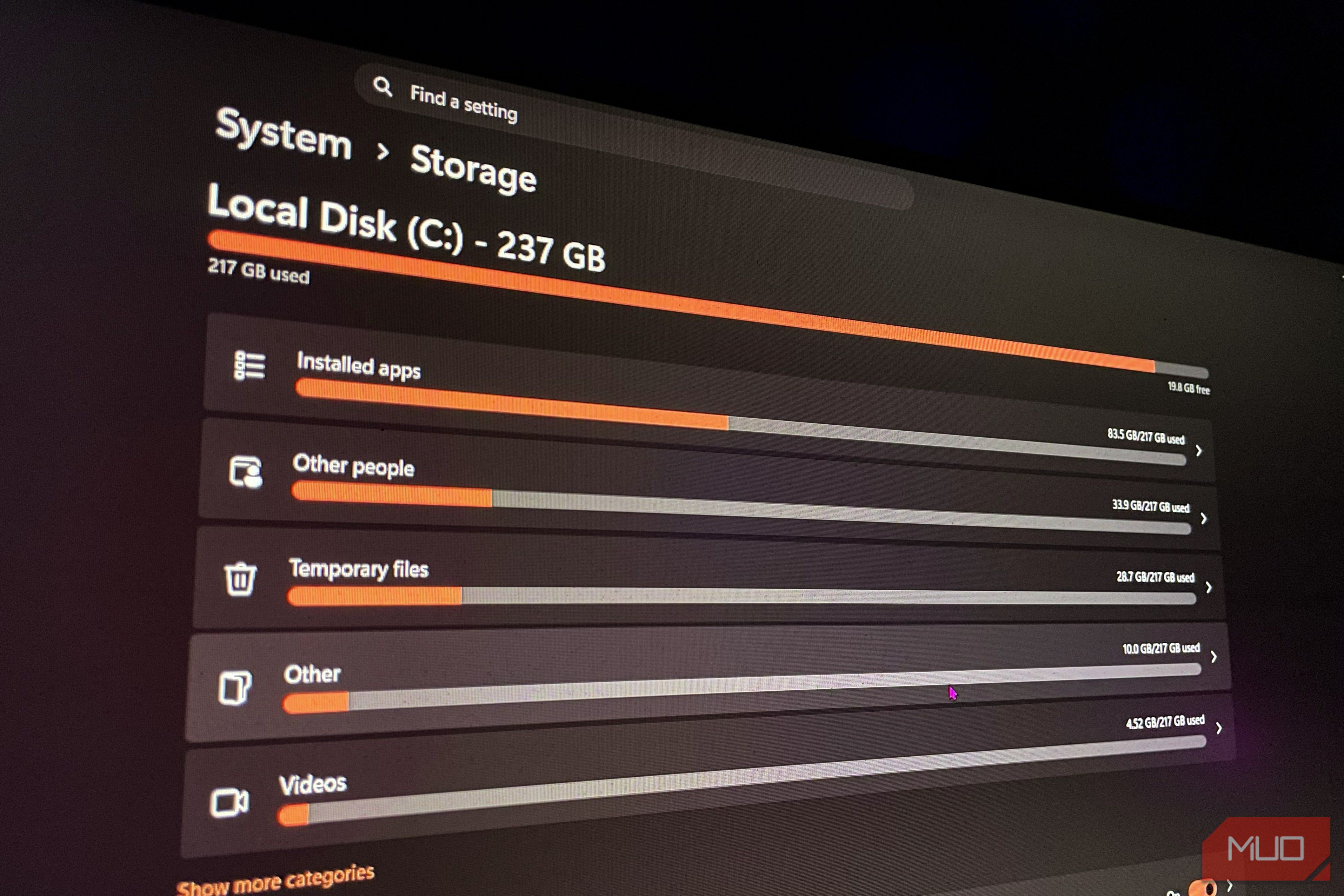
My own setup recently hit a wall. Safely, despite keeping heavy media and games tucked away on secondary storage, my primary drive was drowning in digital debris. Windows 11 treats your main propel like a universal dumping ground, quietly hoarding massive update leftovers, forgotten download archives, and hidden system baggage. I was down to a terrifying thirteen gigabytes of breathing room on a quarter-terabyte drive.
Reclaiming that lost territory didn't require fancy third-party utilities or complex disk management tools. Just, it took a bit of ruthless auditing. I killed the hibernation file since modern sleep states render it mostly redundant on desktop hardware, which instantly handed back a few gigabytes. Then I hunted down the bloated ghost of the previous operating system installation left behind by a major update, alongside a neglected downloads folder overflowing with forgotten installers. Simple cleanups yielded thirty-six gigabytes of recovered space.
Stop wasting time slicing up your storage. Modern drives demand modern habits, which means abandoning rigid partitions and paying attention to where your operating system actually hides its junk. Keep it simple, trust your hardware to do its job, and let your storage breathe.