FTL: Rethinking the Cloud Operating System From the Inside Out
A fresh take on cloud infrastructure is making waves. FTL turns the operating system into a library, challenging decades of monolithic kernel assumptions....
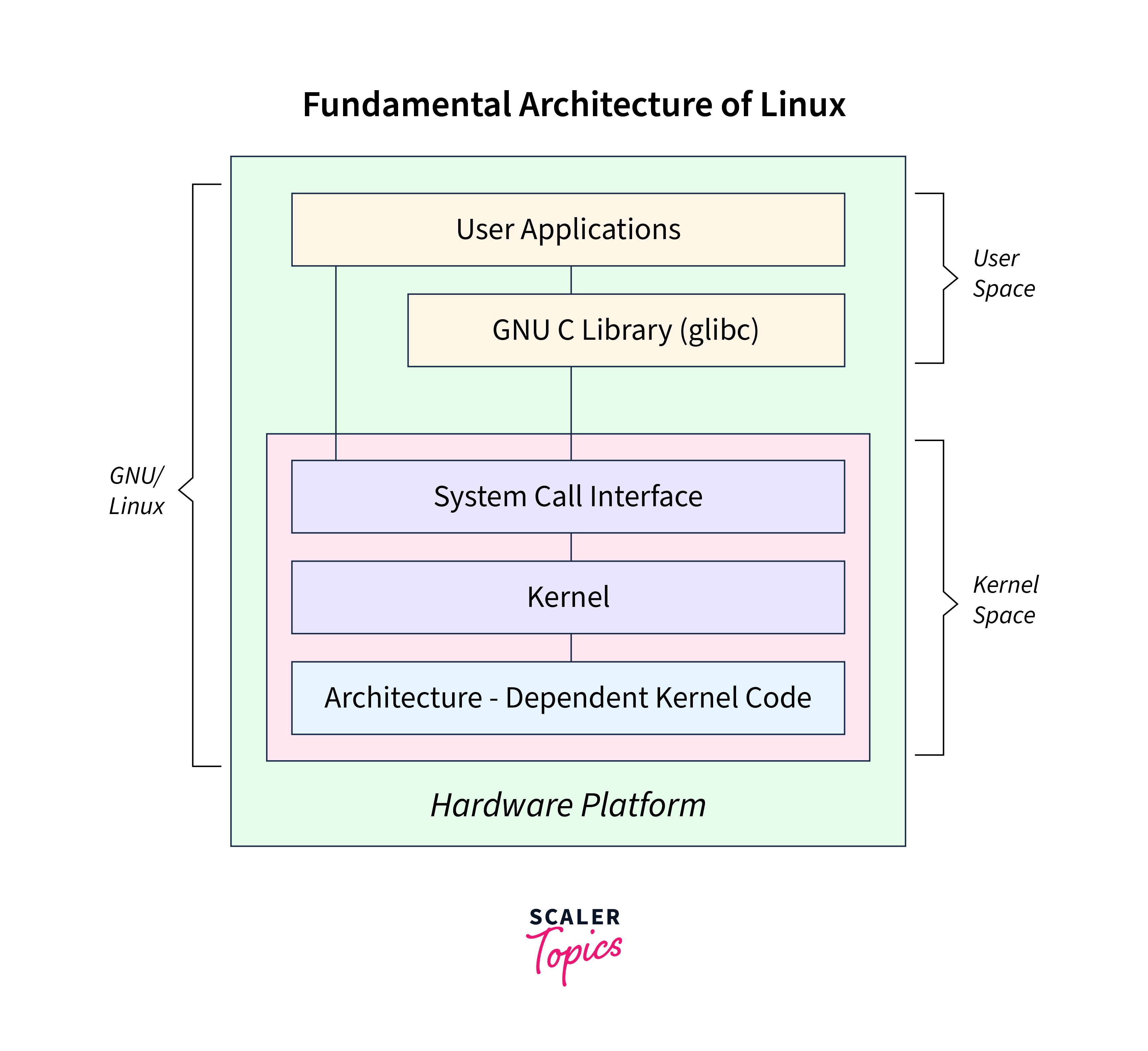
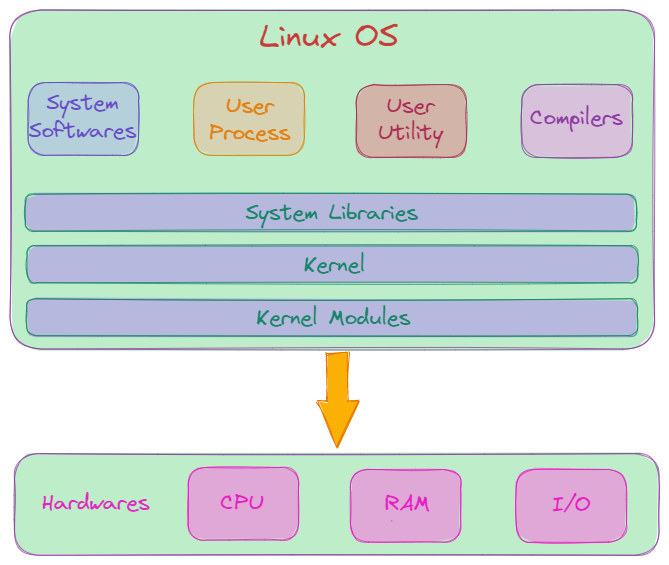
Most of us take the Linux kernel for granted. It sits there, monolithic and sprawling, doing the heavy lifting while we pretend we understand how every system call works underneath our containerized workloads. But every so often, someone looks at this towering stack of legacy abstractions, squints, and asks if we can build it better. Enter FTL, a radical new operating system designed explicitly for the cloud that treats the OS itself not as an untouchable kernel monolith. But as a flexible library you can compile right into your application space.
The core idea here is brilliantly major. Instead of forcing every container to share a single, massive kernel surface area – creating security headaches and debugging nightmares whenever something goes sideways – FTL drops a hypervisor-like micro-kernel underneath and pushes traditional OS duties like VFS and TCP stacks straight into userspace instances. You get the fierce isolation of virtual machines without paying the bloated hardware tax, and suddenly, debugging a kernel-level issue feels like stepping through standard application code instead of performing dark magic with eBPF probes.
What makes this genuinely compelling for builders is the absolute refusal to break what already works. You don't have to rewrite your entire software stack to use it, because FTL happily executes standard Linux binaries right out of the box while still giving you the raw architectural freedom to run unikernel-like setups when you want to squeeze out every last drop of performance. It is a rare engineering bet that balances practical backwards compatibility with bold, forward-looking systems design.
Will this replace mainstream Linux overnight? Absolutely not. Production systems are stubbornly conservative for good reason, and migrating foundational infrastructure always carries hidden ghosts. Even so, watching engineers rethink the boundary between user space and kernel space reminds us why systems programming remains endlessly fascinating. When someone manages to make OS development feel as straightforward as writing a standard software library, it is worth paying attention.