Made with ♥ by Avi

Google is doing more to capitalise the future, here’s all about it.


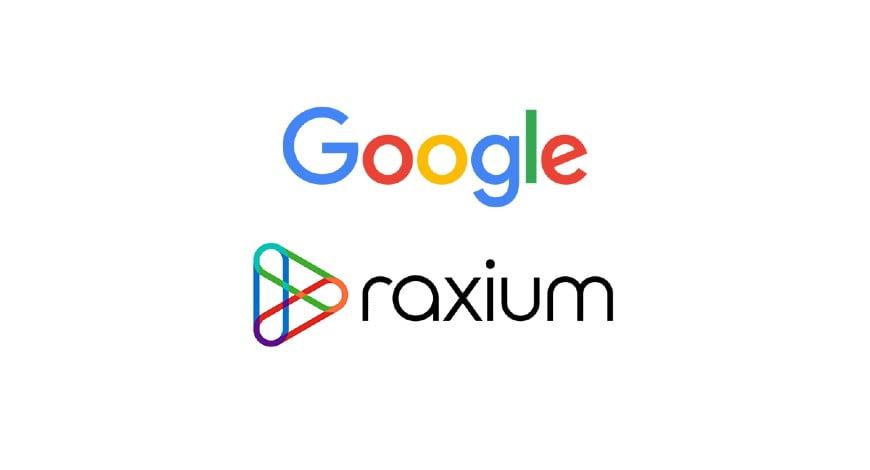
Google just purchased Raxium, a company that specializes in micro-LED displays. The company is also developing an ultra-compact, low-power, high-resolution display and it does seem that Google could be planning to use it in a future AR device.

Cr: Voonze

“Today we’re announcing that Google has acquired Raxium, an innovator in single panel MicroLED display technologies,” wrote Google senior VP of Devices & Services, Rick Osterloh in a short blog post. “The team at Raxium has spent five years creating miniaturized, cost-effective, and energy-efficient high-resolution displays that have laid the foundation for future display technologies.”

This Raxium acquisition deal was rumored last March, as Google was supposedly interested in owning the company, gaining more control over the display components for future XR products rather than outsourcing it. Micro-LED displays have been seeing very little commercial production because of the high manufacturing costs and other exotic products needed to build them. Raxium says that they are on the cutting edge of bringing monolithic integration used in silicon computer chips to micro Eli dies. That will possibly allow them to be mass-produced for cheaper prices, which could be a reason why Google acquired the brand. Unlike other competitors in the market, Google hasn’t publicly announced many of its AR plans, but that doesn’t mean the company isn’t working on them.

Google is doing more to capitalise the future, here’s all about it.

Google is doing more to capitalise the future, here’s all about it.


Google just purchased Raxium, a company that specializes in micro-LED displays. The company is also developing an ultra-compact, low-power, high-resolution display and it does seem that Google could be planning to use it in a future AR device.

Cr: Voonze

“Today we’re announcing that Google has acquired Raxium, an innovator in single panel MicroLED display technologies,” wrote Google senior VP of Devices & Services, Rick Osterloh in a short blog post. “The team at Raxium has spent five years creating miniaturized, cost-effective, and energy-efficient high-resolution displays that have laid the foundation for future display technologies.”

This Raxium acquisition deal was rumored last March, as Google was supposedly interested in owning the company, gaining more control over the display components for future XR products rather than outsourcing it. Micro-LED displays have been seeing very little commercial production because of the high manufacturing costs and other exotic products needed to build them. Raxium says that they are on the cutting edge of bringing monolithic integration used in silicon computer chips to micro Eli dies. That will possibly allow them to be mass-produced for cheaper prices, which could be a reason why Google acquired the brand. Unlike other competitors in the market, Google hasn’t publicly announced many of its AR plans, but that doesn’t mean the company isn’t working on them.

Enable Optimization for improving page speed on Firefox?

Enabling will throttle your experience throughout the site, you will have reduced animations, no transparency effects, potentially reduced visual harmony. Learn why

You won't be prompted again, but you can change your settings by clicking on the bottom left icon.

We use cookies 🍪 & trackers for analytics & performance. By browsing, you accept our Privacy Policy - Learn more. Exit to opt-out