

With modern visuals, multitasking features, and a new Microsoft Store, Windows 11 marks a new era for the Windows operating system, although that doesn’t mean it is all perfect. People ready to embrace the new OS did point out some of the problems when contrasted to Windows 10.
Memory leaks
The File Explorer on Windows 11 has an issue called “memory leak”, Meaning, despite opening and then closing the File Explorer app, it will still consume your system RAM in the background.
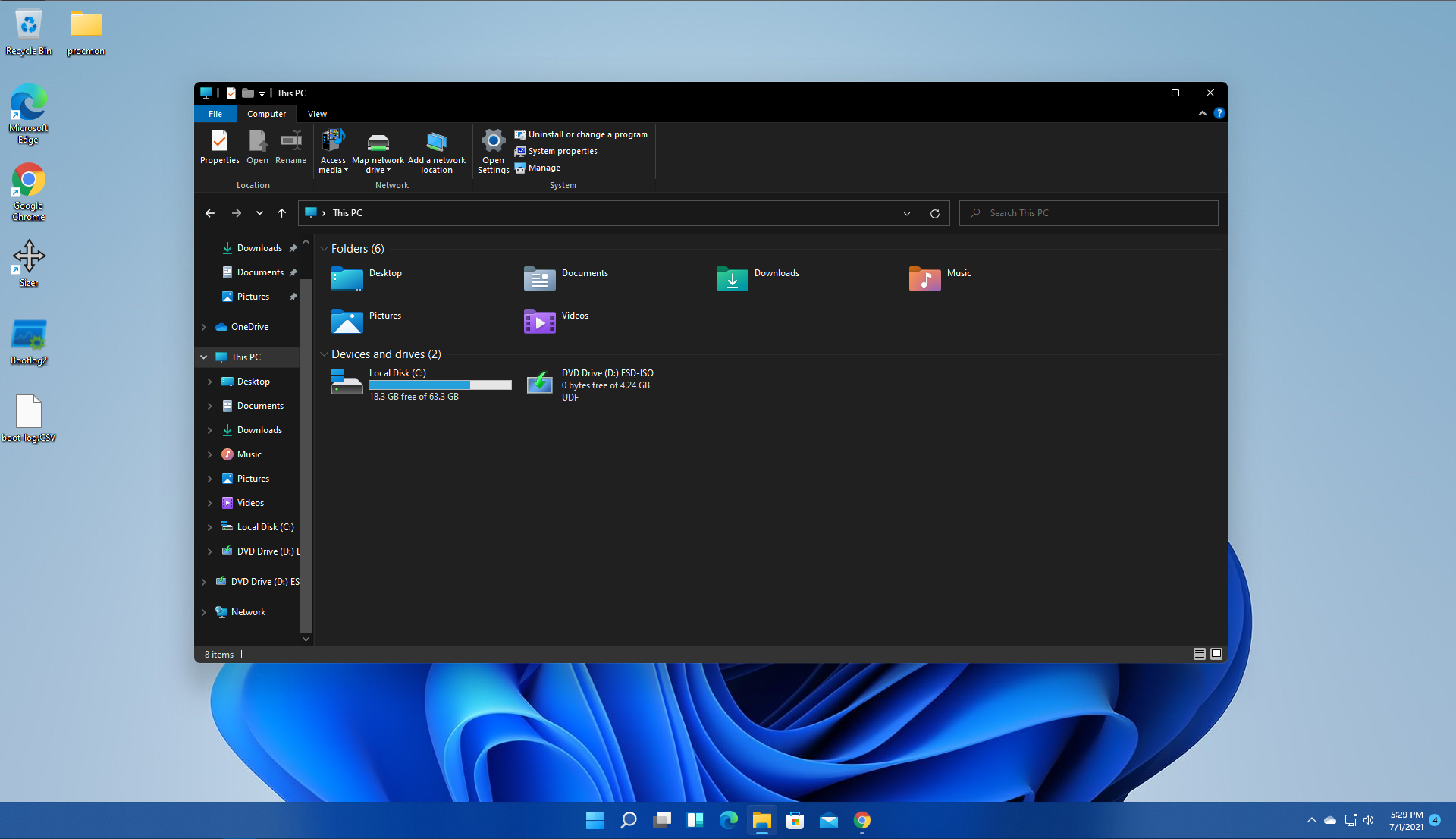
On gaming PCs, as well as other devices where RAM might be limited, this is a huge problem during day-to-day performance. Your system won’t be able to use all obtainable resources and overuse those resources.
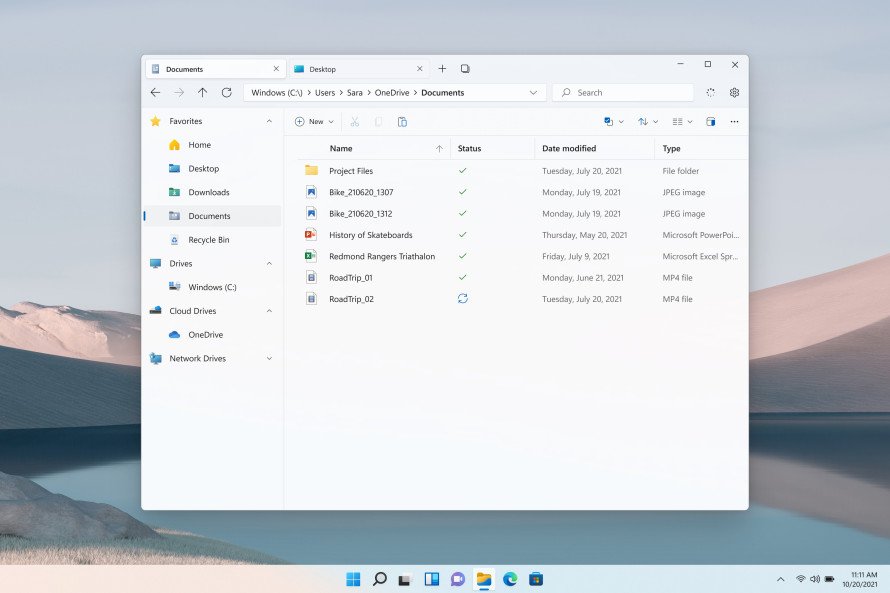
Although this isn’t something everyone does, it’s still a problem. It is something that has existed since Windows 11 was in beta testing, but it hasn’t been addressed in the final version of the OS. Hoping Tuesday’s Security Patch can address this, it remains one of the top problems people are facing with Windows 11.
Performance issues
Windows 11 assures to enhance the performance of your PC due to the way it handles foreground and background tasks, but that’s not always the case. There are still some people who are reporting performance issues with the new operating system. These, too, have been well-documented.
The best example of the performance issue involves Windows 11 systems with AMD processors. On October 6, AMD posted a notice warning of performance drops on AMD processors of up to 15%, especially when gaming or using applications that rely on the CPU’s memory subsystem.
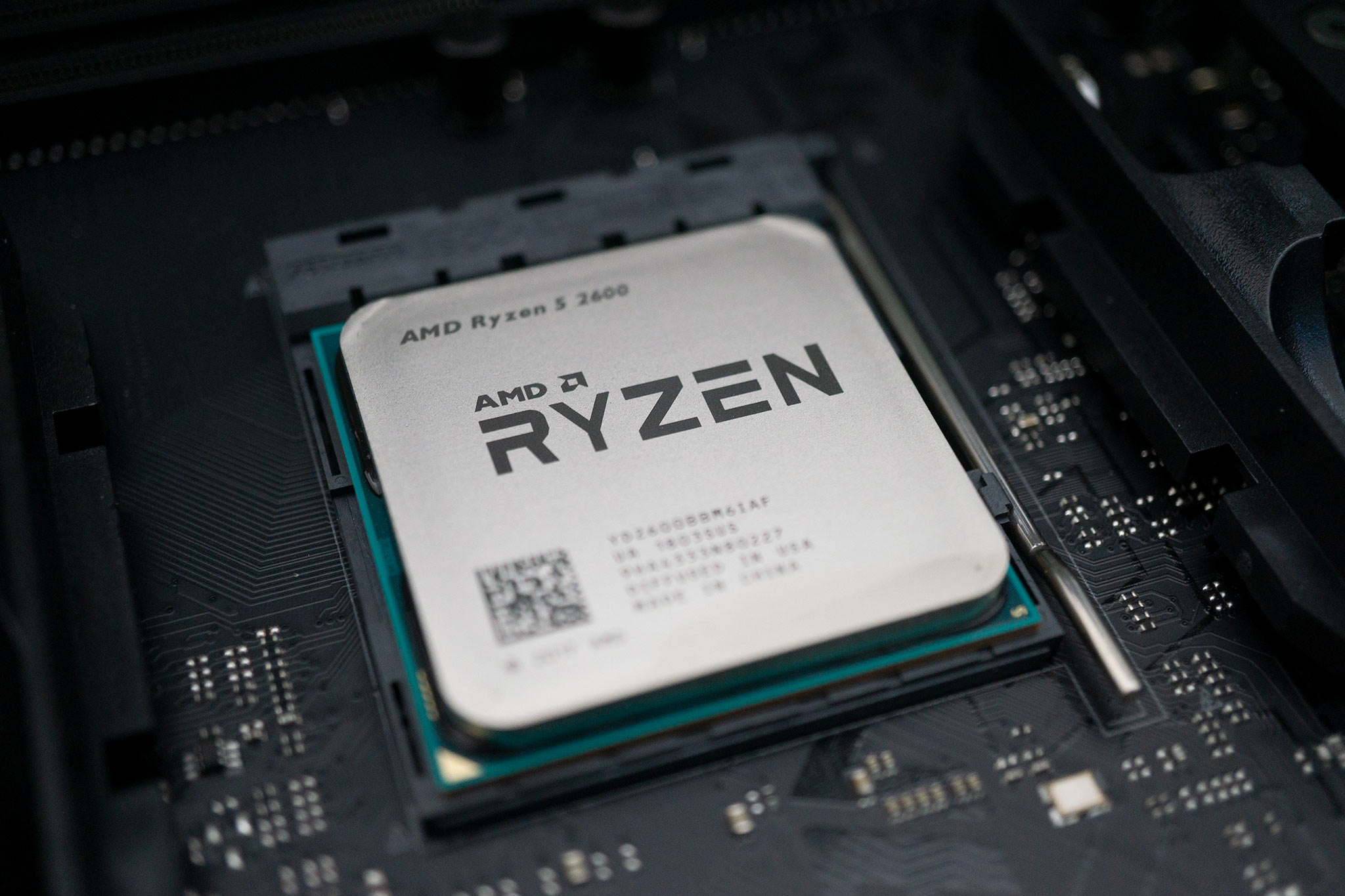
The problem only impacts select Ryzen processors, but it’s a notable one, to say the least. A fix is coming for October, but no specific date was provided as of yet.
Lack of customization
Windows 10 starred many ways to customize the OS. You could move the Taskbar around to the top of the screen or drag files to the Taskbar, and a lot more. Microsoft, though, excluded a lot of the customization options in Windows 11, and it has left some people angry.
/cdn.vox-cdn.com/uploads/chorus_image/image/69455736/windows11.15.jpg)
Some of the features excluded in Windows 11 include the ability to move the Taskbar around on the screen, as in Windows 11, it’s locked to the bottom. In addition, it’s not possible to pin files to the Taskbar, as dragging a file down will just show a “no” icon. Other features removed include the ability to pin a folder to the Start Menu, the full-context right-click menu on the Taskbar, and separate power settings for the battery on the Taskbar.
A lot of these functions can be restored with the third-party program Start11. But as they’ve shown y’all can bring back some of these features, Microsoft can too in a future Windows 11 update.
Windows 10 leftovers
Highlighted features of Windows 11 are the rounded corners and cleaner look, but it’s not all pretty. There are some areas in Windows 11 that aren’t quite as polished and are still leftovers from Windows 10.
:max_bytes(150000):strip_icc()/control3-ef2ac575633b41dfb5162c1e9ef9a942.PNG)
The best place to see this is in the classic control panel. Even though Windows 11 has a redesigned settings app, the OS still has the same control panel from Windows 7 and Windows 10. It does a lot of the same things like the new settings app and doesn’t support the dark mode.
In other areas, the volume sliders are the same as the ones in Windows 8 and Windows 10 — a black square box with square icons. Even the PIN pad on the login screen and the pop-out Wi-Fi menu on the lock screen is the same as Windows 10.
Does the once-a-year update offer hope …

In a big change from Windows 10, Microsoft will only be updating Windows 11 once a year. Just like MacOS, this offers Microsoft more time to apply fixes, add new features, and test new versions of the OS with Windows Insiders. There might be some issues in Windows 11 now, but there’s hope that it can be fixed.