
Made with ♥ by Avi

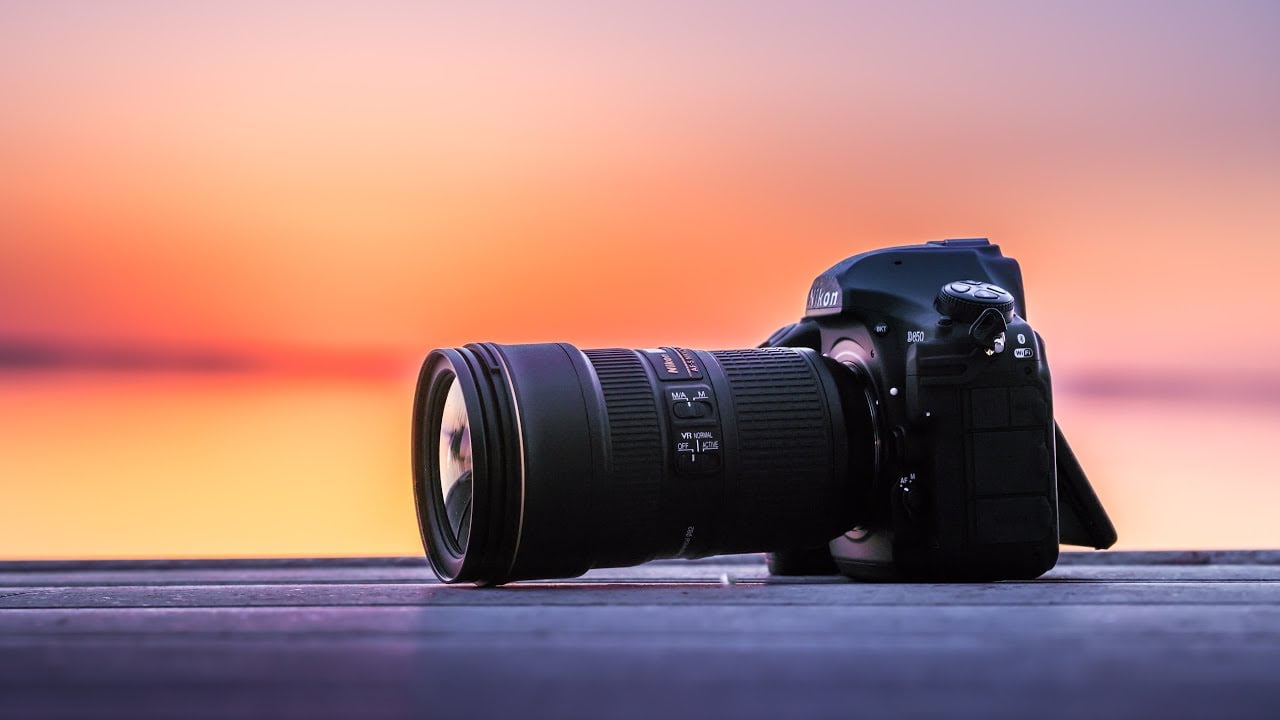
Here’s the Nikon D850, the Oldie.


Specs:

  • 45.7MP BSI CMOS sensor
  • 7 fps continuous shooting with AE/AF (9 with battery grip and EN-EL18b battery)
  • 153-point AF system linked to 180,000-pixel metering system
  • UHD 4K video capture at up to 30p from full sensor width
  • 1080 video at up to 120p, recorded as roughly 1/4 or 1/5th speed slow-mo
  • 4:2:2 8-bit UHD uncompressed output while recording to card
  • Battery life rated at 1840 shots
  • 1 XQD slot and 1 UHS II-compliant SD slot
  • 3.2″ tilting touchscreen with 2.36M-dot (1024×768 pixel) LCD
  • Illuminated controls
  • 19.4MP DX crop (or 8.6MP at 30fps for up to 3 sec)
  • Advanced time-lapse options (including in-camera 4K video creation)
  • SnapBridge full-time Bluetooth LE connection system with Wi-Fi

Now, you might have already known that Nikon Camera’s are mostly useful for photography, it’s kinda different in some models, but this one’s no different, This camera is mainly designed for photography, because even though this camera costs 899.95$, it can record videos at 4K resolution. Dang that’s kinda cool,
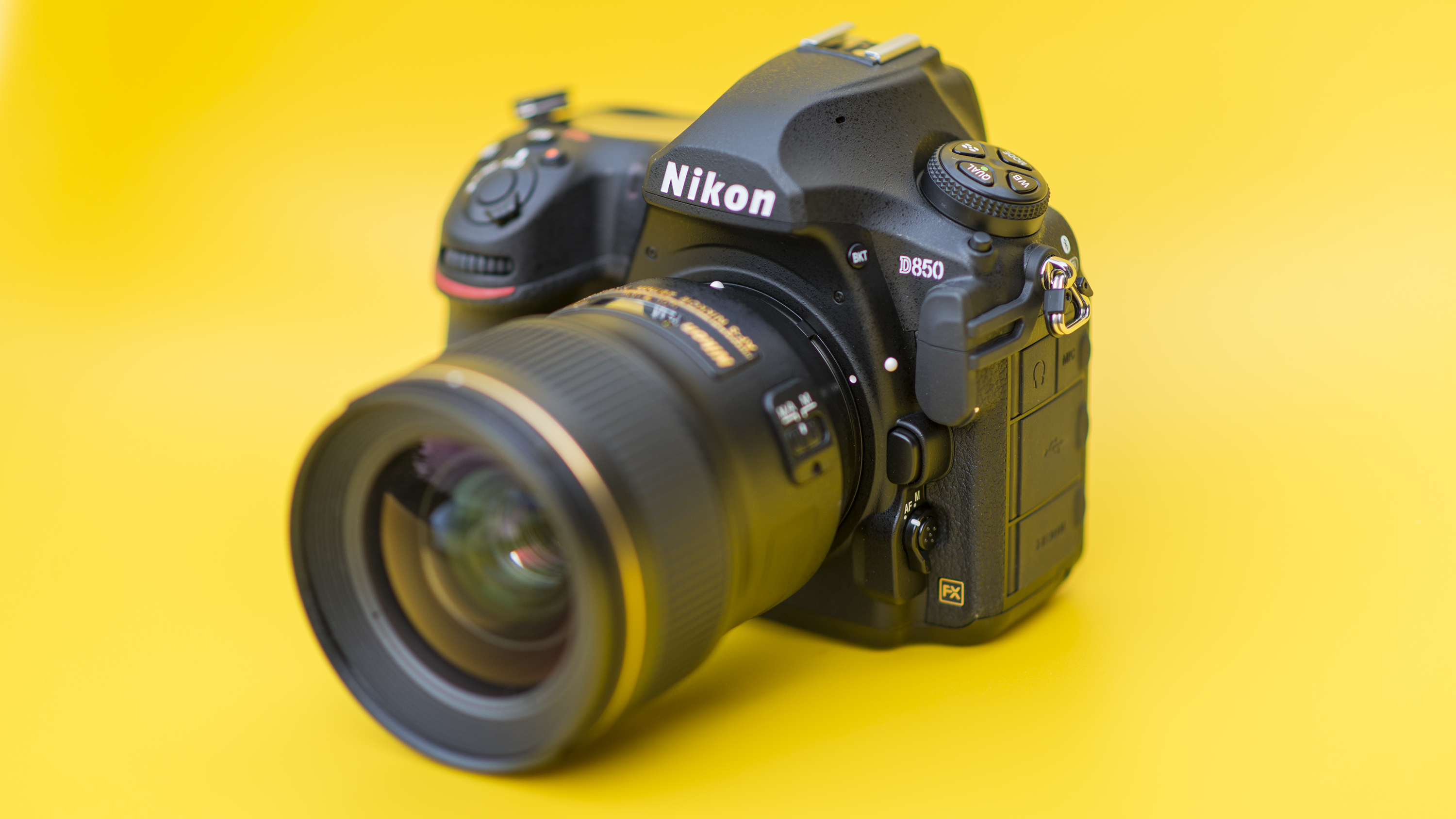
d850

The D850 also gains the full AF capabilities of the company’s flagship sports camera. It could continue to offer that performance in a wide range of conditions and shooting scenarios with minimal need for configuration, this is an exciting prospect. The D850 also gains the automated system for setting an AF Fine Tune value. It only calibrates the lens based on the central AF point and for a single distance, but it’s a simple way to ensure you’re getting closer to your lenses’ full capabilities, their performance with 46MP of detail is really awesome!

The D850 also includes a sufficiently deep buffer to allow fifty-one 14-bit losslessly compressed Raw files, meaning the majority of photographers are unlikely to hit its limits. In terms of video the D850 becomes the first Nikon DSLR to capture 4K video from the full width of its sensor. The camera can shoot at 30, 25 or 24p, at a bitrate of around 144 Mbps. It can simultaneously output uncompressed 4:2:2 8-bit UHD to an external recorder while recording to the card. At 1080 resolution, the camera can shoot at up to 60p, with a slow-mo mode that can capture at 120 frames per second before outputting at 30, 25 or 24p. The 1080 mode also offers focus peaking and digital stabilization, neither of which are available for 4K shooting. The camera’s grip has been reworked, making it more comfortable than the previous one.

The most obvious visual difference between the cameras is a different viewfinder hump, with the new camera having no built-in flash. Instead, strobe users will have to make do with the flash sync socket or purchase the WR- radio control trigger set (the WR-A10, WR-R10 and WR-T10 that allow remote triggering of the camera or remote control of radio compatible flashguns such as the Speedlight SB-5000).

D850

The removal of the camera’s built-in flash frees up room for a new viewfinder, which is the largest optical viewfinder on any Nikon DSLR. The larger finder, which features a new condenser lens and an aspherical element in the design, retains a reasonable (17mm) eye point, we’re told, so the whole scene should be visible even for most glasses wearers.

Here’s some Pros.

  • Native low ISO value of 64 offers class-leading dynamic range and rivals medium format options
  • 45.7MP BSI-CMOS sensor with great low-and-high ISO performance
  • Impressive 153-pt autofocus system derived from flagship D5
  • New mirror and shutter mechanisms nearly eliminate most blur issues
  • Excellent grip, ergonomics and controls
  • Rugged, weather-sealed construction
  • Dual slots, with XQD slot offering incredibly fast read and write speeds
  • Largest-ever optical viewfinder on a Nikon DSLR
  • Variety of 4K and 1080p video modes
  • Improved JPEG noise reduction and sharpening compared to D810
  • Generally great JPEG color
  • Tilting, high-resolution touchscreen
  • Great battery life
  • Automatic AF fine tune helps get the most out of your lenses
  • Snapbridge offers Wi-Fi and Bluetooth connectivity
  • Innovative timelapse and focus stacking features

Here’s some Cons

  • Live view autofocus still clunky for both stills and video shooting
  • Subject tracking not quite up to D5 standards
  • XQD cards still rare, somewhat pricey
  • Omission of built-in pop-up flash may turn off some users
  • Snapbridge is still finicky, even for basic image transfer
  • Snapbridge seems overly simplistic for high-end camera users
  • Lens calibration becomes absolutely critical at this resolution, and can be a pain point
  • Noticeable rolling shutter in 4K video
  • Focus peaking unavailable when shooting 4K video
D850

Final Verdict

Offering an impressive 45.7MP of resolution, 7fps burst shooting, full-width 4K video and an Awesome focusing system. Design-wise, D850 may not stand out in a lineup of DSLRs these days, but it comes with an array of improvements and refinements that make it an exceedingly comfortable camera to use. The tilting touchscreen on the back of the camera is both bright and responsive, allowing you to zoom and scrub through images in playback, place your AF point in Live View, and make menu selections. The optical viewfinder, offering 0.75x magnification, is the largest ever in a Nikon DSLR. There’s a new ‘Focus Shift’ feature that automatically racks through your lens’ focus range if you’re shooting macro photos or landscapes – the resulting images are saved in a separate folder on your memory card for easy focus stacking in post.
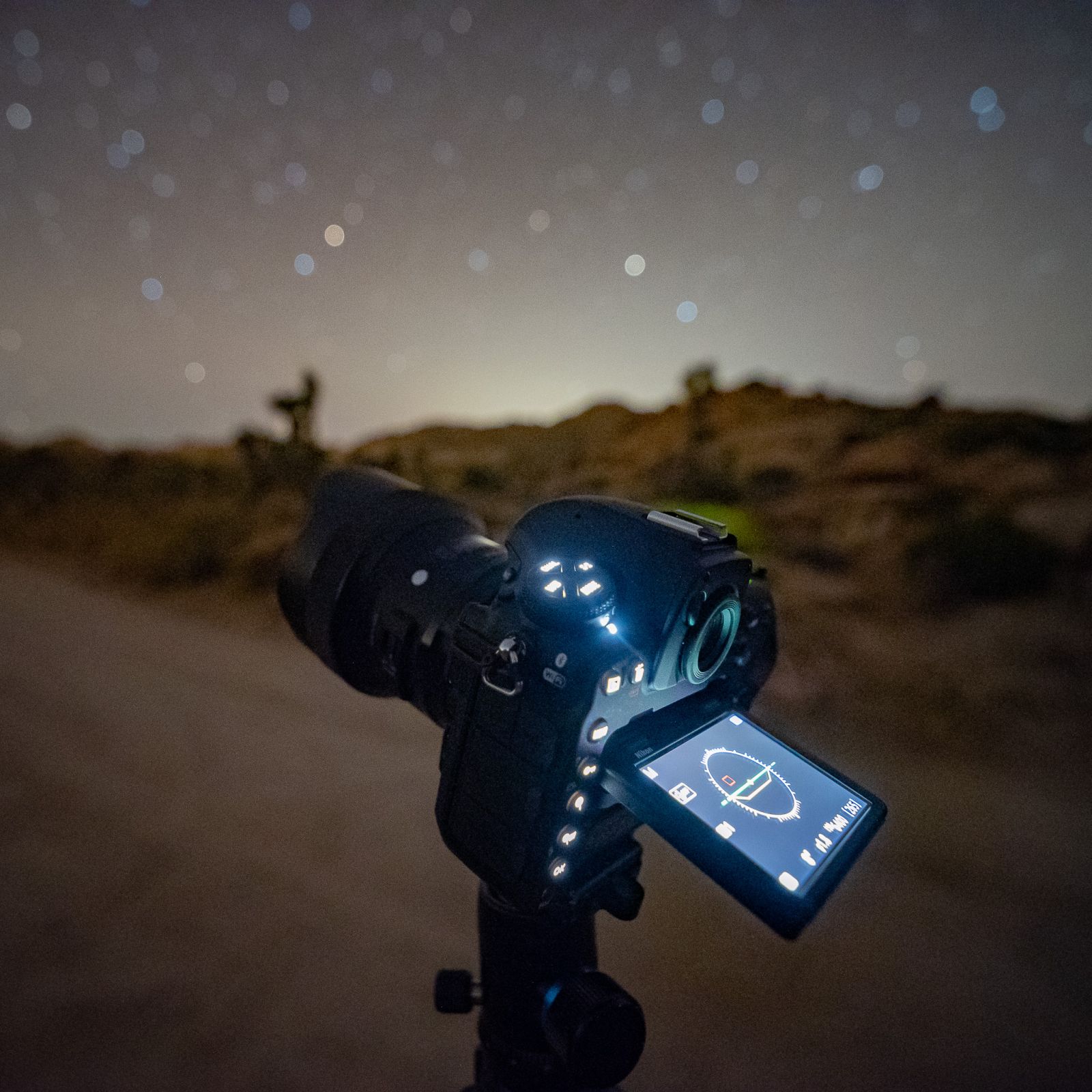
D850

The JPEGs have been improved, Nikon’s JPEG color has also been steadily improving over the years, and sharpening is also improved, detail at higher ISO values tends to get smeared away somewhat, though edges remain fairly distinct. Because of the lack of an anti-aliasing filter, you may find moiré to be a problem with finely detailed patterns in your photographs.

The autofocus system on the D850 is derived from the system present in Nikon’s D5 and D500 sports cameras, and it shows. The system has 153 total autofocus points, of which 51 are user selectable. The center point is sensitive down to -4 EV, with all the other points sensitive down to -3 EV (this is around the brightness of a moonlit night). As we say, it can’t quite match the D5’s subject tracking, but in every way it is an improvement over the already-good system in the D810.

Here’s the Nikon D850, the Oldie.

Here’s the Nikon D850, the Oldie.


Specs:

  • 45.7MP BSI CMOS sensor
  • 7 fps continuous shooting with AE/AF (9 with battery grip and EN-EL18b battery)
  • 153-point AF system linked to 180,000-pixel metering system
  • UHD 4K video capture at up to 30p from full sensor width
  • 1080 video at up to 120p, recorded as roughly 1/4 or 1/5th speed slow-mo
  • 4:2:2 8-bit UHD uncompressed output while recording to card
  • Battery life rated at 1840 shots
  • 1 XQD slot and 1 UHS II-compliant SD slot
  • 3.2″ tilting touchscreen with 2.36M-dot (1024×768 pixel) LCD
  • Illuminated controls
  • 19.4MP DX crop (or 8.6MP at 30fps for up to 3 sec)
  • Advanced time-lapse options (including in-camera 4K video creation)
  • SnapBridge full-time Bluetooth LE connection system with Wi-Fi

Now, you might have already known that Nikon Camera’s are mostly useful for photography, it’s kinda different in some models, but this one’s no different, This camera is mainly designed for photography, because even though this camera costs 899.95$, it can record videos at 4K resolution. Dang that’s kinda cool,

d850

The D850 also gains the full AF capabilities of the company’s flagship sports camera. It could continue to offer that performance in a wide range of conditions and shooting scenarios with minimal need for configuration, this is an exciting prospect. The D850 also gains the automated system for setting an AF Fine Tune value. It only calibrates the lens based on the central AF point and for a single distance, but it’s a simple way to ensure you’re getting closer to your lenses’ full capabilities, their performance with 46MP of detail is really awesome!

The D850 also includes a sufficiently deep buffer to allow fifty-one 14-bit losslessly compressed Raw files, meaning the majority of photographers are unlikely to hit its limits. In terms of video the D850 becomes the first Nikon DSLR to capture 4K video from the full width of its sensor. The camera can shoot at 30, 25 or 24p, at a bitrate of around 144 Mbps. It can simultaneously output uncompressed 4:2:2 8-bit UHD to an external recorder while recording to the card. At 1080 resolution, the camera can shoot at up to 60p, with a slow-mo mode that can capture at 120 frames per second before outputting at 30, 25 or 24p. The 1080 mode also offers focus peaking and digital stabilization, neither of which are available for 4K shooting. The camera’s grip has been reworked, making it more comfortable than the previous one.

The most obvious visual difference between the cameras is a different viewfinder hump, with the new camera having no built-in flash. Instead, strobe users will have to make do with the flash sync socket or purchase the WR- radio control trigger set (the WR-A10, WR-R10 and WR-T10 that allow remote triggering of the camera or remote control of radio compatible flashguns such as the Speedlight SB-5000).

D850

The removal of the camera’s built-in flash frees up room for a new viewfinder, which is the largest optical viewfinder on any Nikon DSLR. The larger finder, which features a new condenser lens and an aspherical element in the design, retains a reasonable (17mm) eye point, we’re told, so the whole scene should be visible even for most glasses wearers.

Here’s some Pros.

  • Native low ISO value of 64 offers class-leading dynamic range and rivals medium format options
  • 45.7MP BSI-CMOS sensor with great low-and-high ISO performance
  • Impressive 153-pt autofocus system derived from flagship D5
  • New mirror and shutter mechanisms nearly eliminate most blur issues
  • Excellent grip, ergonomics and controls
  • Rugged, weather-sealed construction
  • Dual slots, with XQD slot offering incredibly fast read and write speeds
  • Largest-ever optical viewfinder on a Nikon DSLR
  • Variety of 4K and 1080p video modes
  • Improved JPEG noise reduction and sharpening compared to D810
  • Generally great JPEG color
  • Tilting, high-resolution touchscreen
  • Great battery life
  • Automatic AF fine tune helps get the most out of your lenses
  • Snapbridge offers Wi-Fi and Bluetooth connectivity
  • Innovative timelapse and focus stacking features

Here’s some Cons

  • Live view autofocus still clunky for both stills and video shooting
  • Subject tracking not quite up to D5 standards
  • XQD cards still rare, somewhat pricey
  • Omission of built-in pop-up flash may turn off some users
  • Snapbridge is still finicky, even for basic image transfer
  • Snapbridge seems overly simplistic for high-end camera users
  • Lens calibration becomes absolutely critical at this resolution, and can be a pain point
  • Noticeable rolling shutter in 4K video
  • Focus peaking unavailable when shooting 4K video
D850

Final Verdict

Offering an impressive 45.7MP of resolution, 7fps burst shooting, full-width 4K video and an Awesome focusing system. Design-wise, D850 may not stand out in a lineup of DSLRs these days, but it comes with an array of improvements and refinements that make it an exceedingly comfortable camera to use. The tilting touchscreen on the back of the camera is both bright and responsive, allowing you to zoom and scrub through images in playback, place your AF point in Live View, and make menu selections. The optical viewfinder, offering 0.75x magnification, is the largest ever in a Nikon DSLR. There’s a new ‘Focus Shift’ feature that automatically racks through your lens’ focus range if you’re shooting macro photos or landscapes – the resulting images are saved in a separate folder on your memory card for easy focus stacking in post.

D850

The JPEGs have been improved, Nikon’s JPEG color has also been steadily improving over the years, and sharpening is also improved, detail at higher ISO values tends to get smeared away somewhat, though edges remain fairly distinct. Because of the lack of an anti-aliasing filter, you may find moiré to be a problem with finely detailed patterns in your photographs.

The autofocus system on the D850 is derived from the system present in Nikon’s D5 and D500 sports cameras, and it shows. The system has 153 total autofocus points, of which 51 are user selectable. The center point is sensitive down to -4 EV, with all the other points sensitive down to -3 EV (this is around the brightness of a moonlit night). As we say, it can’t quite match the D5’s subject tracking, but in every way it is an improvement over the already-good system in the D810.

Enable Optimization for improving page speed on Firefox?

Enabling will throttle your experience throughout the site, you will have reduced animations, no transparency effects, potentially reduced visual harmony. Learn why

You won't be prompted again, but you can change your settings by clicking on the bottom left icon.

We use cookies 🍪 & trackers for analytics & performance. By browsing, you accept our Privacy Policy - Learn more. Exit to opt-out