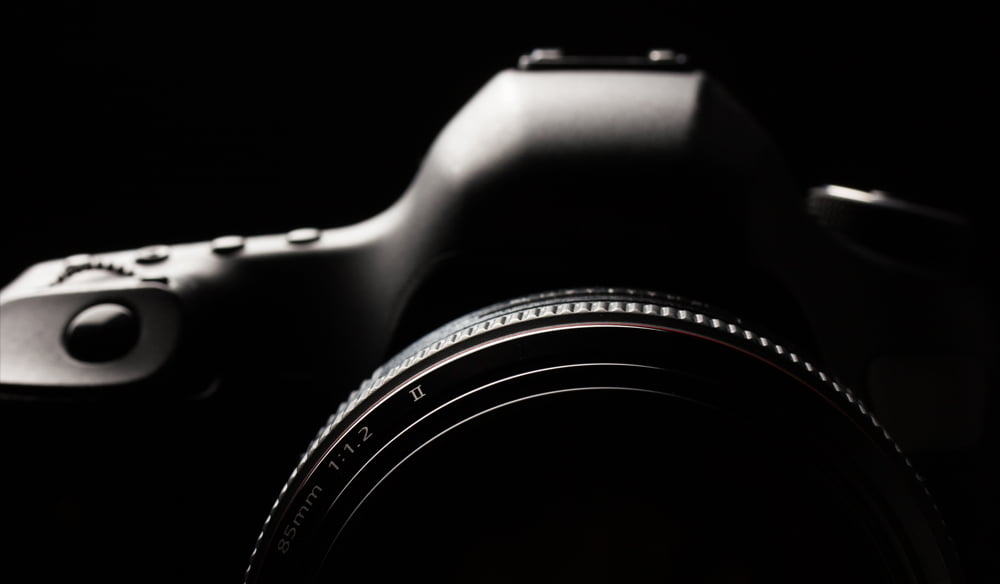

DSLR cameras transformed the art of independent filmmaking by delivering impeccable and yet professional films in a compact and affordable package. These cameras have over the years, become the top choice for independent cinematographers across the globe. DSLRs are generally used as secondary options to complement the main camera during high production, mainly due to their affordability, size, and portability.
Famous films and television shows were most probably shot by a cinema camera which is designed to handle robust film production. Production houses commonly use a cine camera like the Arri Alexa for big film productions.
The big question, however among cinematographers is why one should choose to work with a DSLR or a cine camera yet both types can produce high image resolutions of 4K which are broadcast ready? Such a question is particularly important, especially considering the significant price difference between the two types of cameras.
Well, let’s look at the different features between these two cameras that would make you want to splash out more cash for an Arri Alexa or save on extra expenses by sticking to DSLRs.
Image Data Handling
A DSLR is capable of handling RAW data output for still photography by allowing the photographer to acquire the whole range of scene brightness that had been captured during a shoot. On the other hand, when it to video, the camera lacks the recording capabilities to record RAW footage.
A DSLR will process a particular image by compressing it through the use of video codec such as H.264 which is ready for broadcast. It, however, but does not allow you as a filmmaker, to make necessary adjustments as provided in RAW format.
Cine cameras will provide you with the option of recording RAW footage at full frame rate, therefore, creating room for demosaicing and additional processing to be applied at a later time. For instance, even if an Arri Alexa encodes to a video format, then it will be at a very high bit rate which requires the use of an SSD card instead of an SD memory card allowing the recorded data to be uncompressed.
The key benefit of working with uncompressed data is that you get a larger bandwidth for image manipulation, which is crucial during the post-production process of color grading. Compressed images are usually at a higher risk of degrading when exposed to color manipulation.
Dynamic Range
When deciding which type of camera is better suited to handle your filmmaking needs, then a critical feature to consider is the dynamic range. This is simply the measurements of image data recorded at varying light intensities. The range at which significant imagery can be recorded is normally measured in terms of stops or exposure values known as Evs.
The higher the dynamic range of a given camera then the better its ability to retain more visual footage in the dark or in extreme light.
Most DSLRs feature a maximum dynamic range of about 11 stops while cine cameras like the Arri Alexa have about 15 stops of dynamic range. A wider range allows you to have increased latitude during post-production because you will have more visual information.
A DSLR camera can be quite an outstanding camera when recording in locations where you have control over the lighting used in the film production. However, a cine camera will come in handy when in situations where you have no control over the lighting such wide outdoor shots under extreme dark or light areas.
ISO sensitivity
The electronic sensors present in digital cameras provide ISO measurements which express their different sensitivity to light. The least measurement is usually at ISO 100 with a difference of one EV of light between the measurements.
At ISO 100, a camera has low sensitivity to light though the image quality will be quite high. You will, therefore, need more light to capture well-exposed imagery while working with such a low ISO. An ISO 6400 needs a very little amount of light to attain a well-exposed image though the resulting image will be of low quality due to visual noise.
Cine cameras have the upper hand compared to DSLRs when it comes to ISO performance. This means that at high ISO levels, you will have reduced visual noise and better image quality while working with cine cameras than with DSLRs.
The performance of the two types of cameras at ISO 6400 is usually a key determining factor on which camera works best. It is important to note that even though recording video at ISO 6400 on a cine camera is a great choice, it wouldn’t be an ideal setting on a DSLR.
Global shutter vs. Rolling shutter
You will find quite a considerable difference between DSLRs and cine cameras when comparing the shutter technology available. As technology advances in digital videography, so do the mechanical operations involved in the application of celluloid medium.
DSLRs feature an electronic shutter which works through the use of the scanning approach, commonly referred to as a rolling shutter. The process involves continuously scanning the image at one from the top part to the bottom of the sensor. This technology is effective in enhancing the sensor sensitivity due to the reduced downtime required to capture light.
The main disadvantage of using the rolling shutter technology is the increased potential of producing unwanted distortion in a given image. Such unpleasant images can occur when the subject moves rapidly, the camera moves in rapid motion or during quick light flashes.
There are several cine cameras like the Arri Alexa that use the global shutter technology instead of the rolling shutter. This technology allows reduced chances of the jello effect common in moving objects or handheld cameras.
Moire Effect
The functionality and the distribution of the photosites (pixels) bring out the difference between a cinema camera and DSLRs, especially since they usually have similarly sized sensors.
The allocation of photosites when shooting a film on a DSLR is usually scattered across a large section of redundant photosites which often leads to a moire effect. This is often the case when recording small gids or complex image patterns. On the other hand, most pixels on a cinema camera are designed for video hence reduced chances of the moire effect.
Ergonomics
Since a cinema camera is designed purposely for recording a moving image, it features numerous access buttons and connection ports to serve its purpose. It also has an integrated cooling system that prevents overheating resulting from the intense process of filmmaking.
DSLRs can effectively capture video under most circumstances though they become more vulnerable when exposed to extreme temperatures.
Conclusion
A cinema camera like the Arri Alexa has more advantages when compared to DSLR cameras as far as film recording is concerned. If you are working on a high production with a flexible budget, then a cinema camera will save you time and excessive effort during post-production.
You can use DSLRs as back up to support the primary cinema camera. For a low budget production such as a short film, then a DSLR camera can be better suited. If you can, however, afford an upgrade from a DSLR to a cinema camera then, by all means, go ahead because working with a cine camera specially designed for films will offer you more in terms of storage, editing and image quality.
The key benefit of working with uncompressed data is that you get a larger bandwidth for image manipulation, which is crucial during the post-production process of colour grading. Compressed images are usually at a higher risk of degrading when exposed to color manipulation.