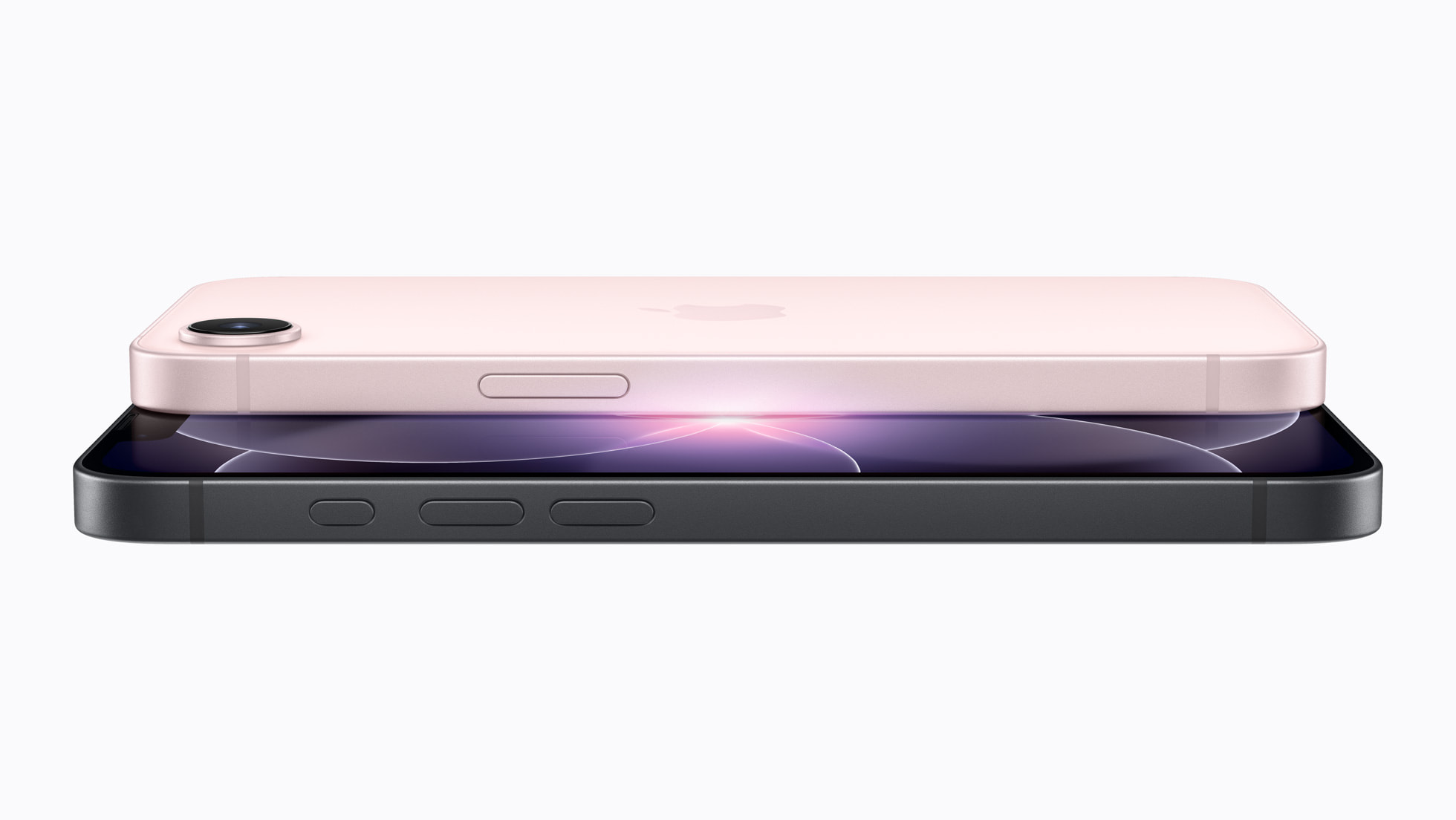

Yesterday, Apple announced the iPhone 17e, starting at $599 with an A19 chip and MagSafe support. It’s their newest budget phone, positioned neatly between yesterday’s aspirations and tomorrow’s price tags. But somehow, watching this unfold felt less like a product launch and more like watching someone go through the motions.
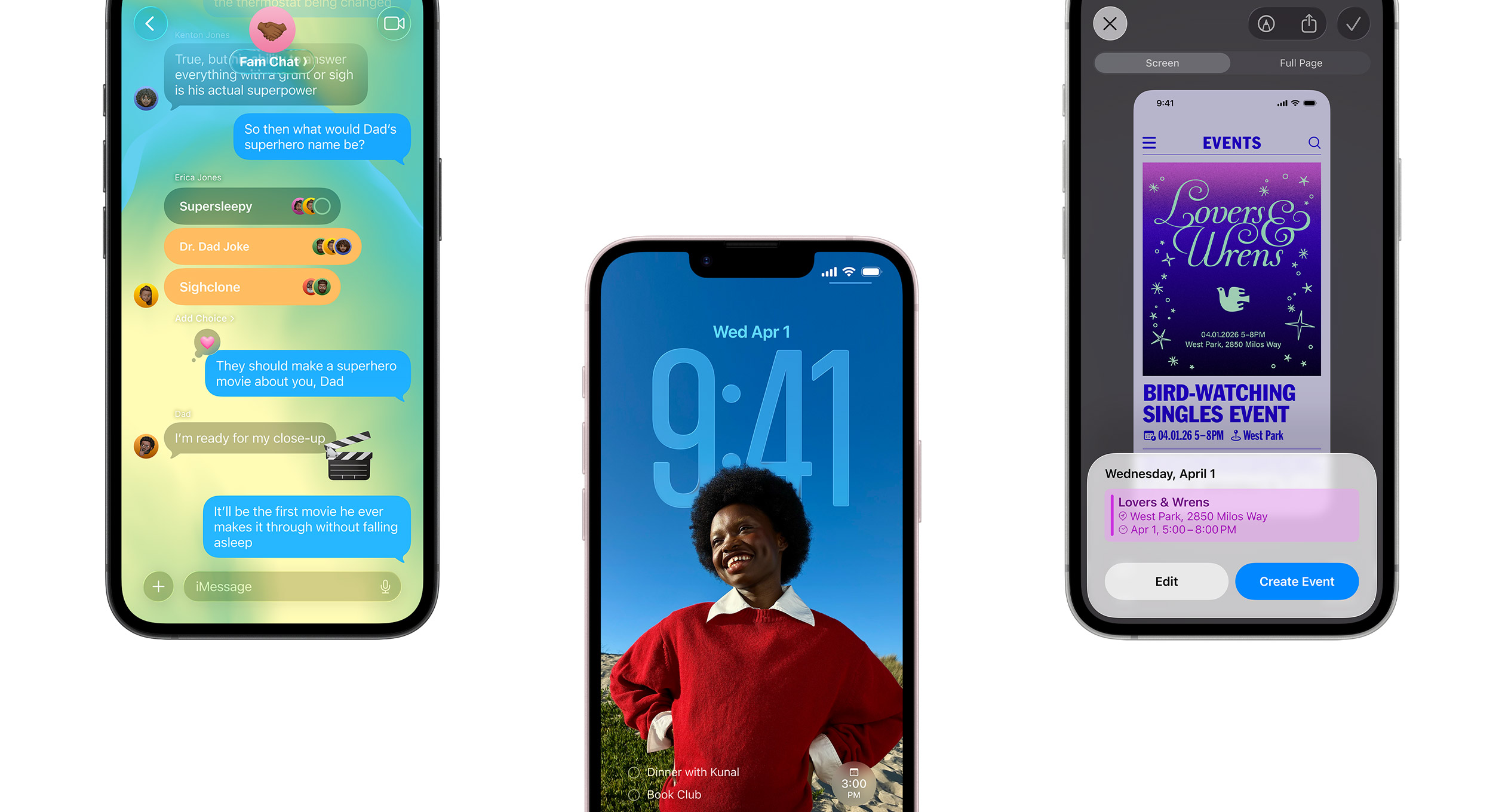
I don’t really like where Apple is headed right now. This feels like a cop-out, a lazy method of product releases that trades the cultural weight they once carried for something more strategic, more calculated. Apple announced the phone through a staggered multi-day rollout rather than a traditional keynote, scattering news across press releases and hands-on sessions in New York, London, and Shanghai. It works, I suppose, but it lacks the ceremony we used to associate with them.
Maybe that’s reasonable, though. When the main upgrades are an A19 chip, better scratch resistance with Ceramic Shield 2, and doubled base storage to 256GB, what’s there to build a keynote around? These are marginal updates, chip upgrades with no changes to the chassis. Nothing groundbreaking. I understand that innovation plateaus eventually, but the aura of Apple events in past years used to be different. It was a cultural event, something people cared about beyond the spec sheets.
That doesn’t seem to be the case anymore, which is strange. The events that once felt like carefully orchestrated theater now read like product cycles on a spreadsheet. The company described it as a “special experience,” but the announcements arrived as a sequence designed to dominate the tech cycle rather than capture imagination.
This is part of a broader strategy from Apple. They’re not abandoning their premium lineup, but they’re pursuing a split launch strategy with expensive iPhones in fall and more affordable models in spring. The iPhone 17e is tactical, releasing in early 2026 to generate a specific wave of articles and media coverage around what are clearly budget devices. It makes business sense. It probably moves units. But it also feels corporate in a way Apple used to avoid.
There’s also something about their recent advertising that unsettles me. A specific vibe has emerged across their commercials lately, a cluttered, more organic feeling but with this largely corporate backdrop. Punchy audio paired with what feels like deliberately amateur design choices, almost beginner-level aesthetics. Recent Apple Intelligence ads have been criticized for glorifying laziness and lacking the personal touch of earlier campaigns. It’s a broader shift, trying to appeal to the masses in a way that feels forced, like they’re cosplaying relatability.
Only time will tell if that’s successful, if it helps them achieve whatever they’re aiming for with this new tone. But standing here in 2026, looking at the iPhone 17e and the way it was announced, I can’t help but feel something’s been lost. Not the quality, necessarily. The magic.
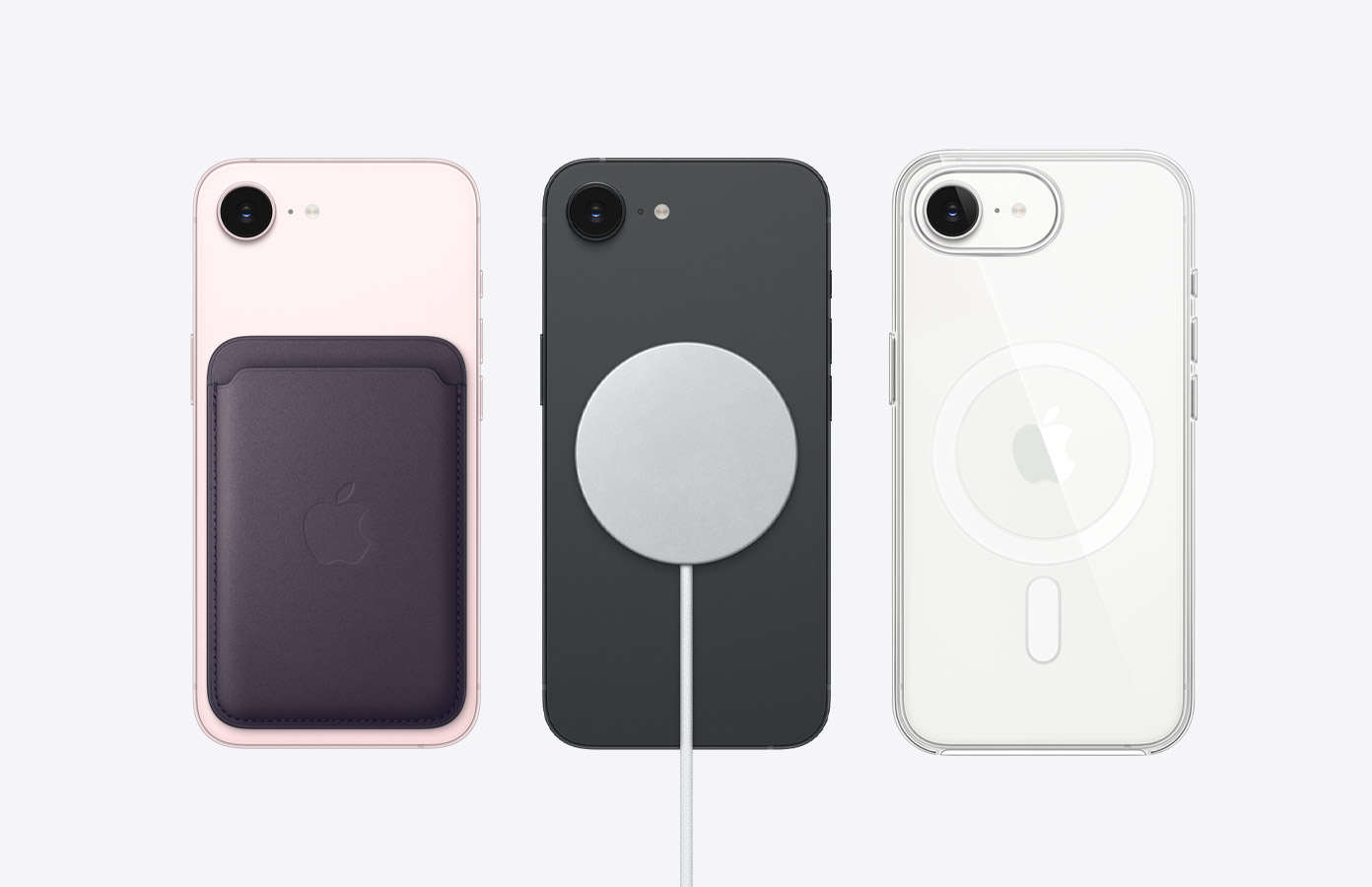
The iPhone 17e is probably a good phone. It fixes issues from the previous generation, adds MagSafe that was missing from the 16e, and offers solid value at $599. For someone upgrading from an iPhone 12, it’s a clean entry point. But as a statement about where Apple is as a company, as a cultural force? It feels like they’re playing it safe, optimizing for coverage cycles rather than moments that matter.
And maybe that’s just how it has to be now. Maybe the era of groundbreaking product launches is behind us, replaced by efficient rollouts and strategic positioning. But I’m allowed to miss what was, even while acknowledging what is.