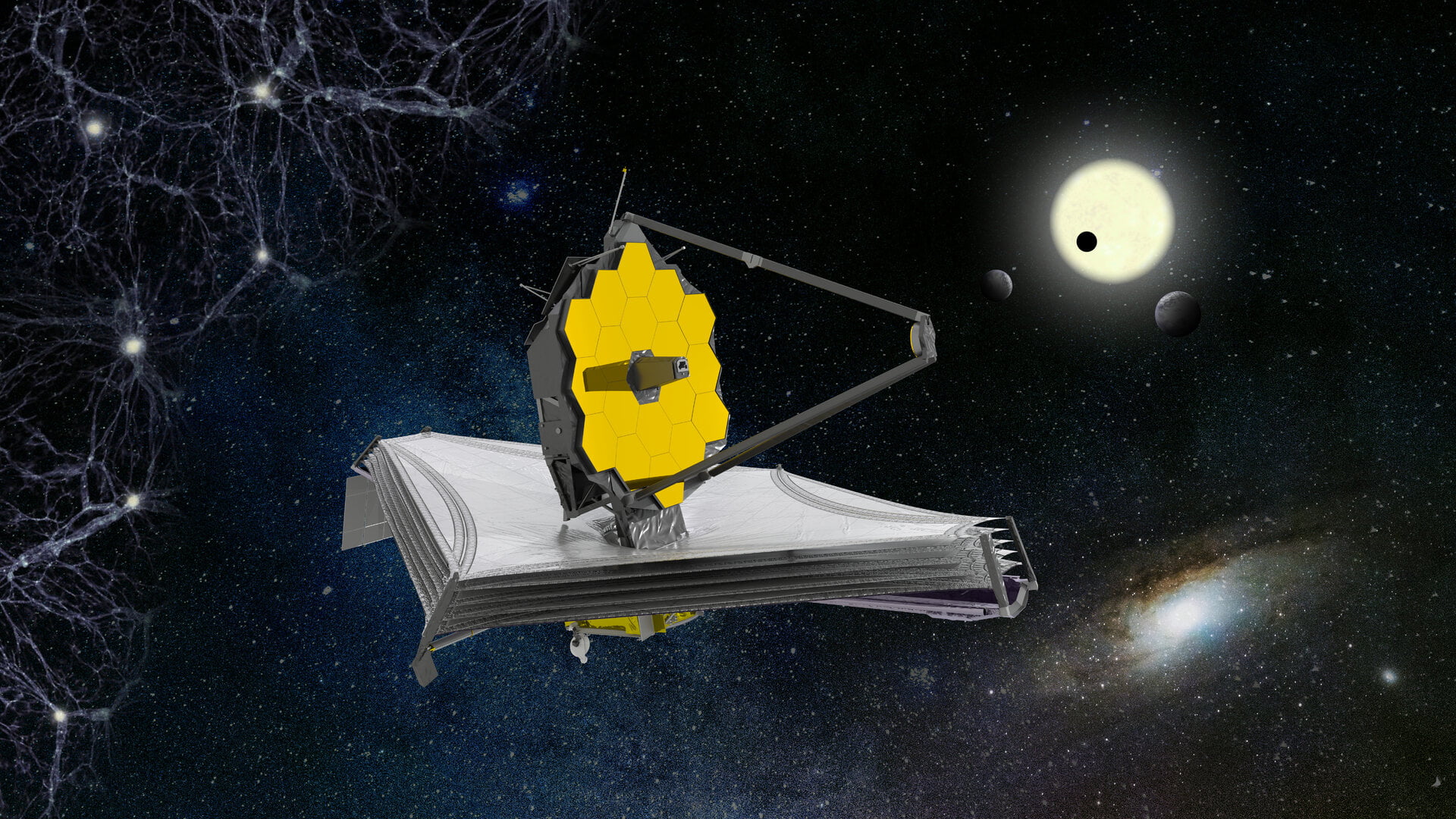

With the James Webb Space Telescope out there and wild space all powered up and snapping some pretty spectacular images out there, you might just wonder how exactly it’s storing all these images and you are very right, it carries a relatively tiny 68GB SSD and it’s good enough for handling a base wealth of JWST images but not a lot more than that.

Although you might think that storage space is ridiculously small for a pen billion-dollar satellite, there are a lot of reasons why NASA chose this system and it’s probably because the telescope is literally a million miles away from Earth and it gets bombarded by a lot of radiation and it’s really cold out there [-50 Celsius]
Although the SSD is not quite as fast as other consumer SSDs in the market right now, it still can be nearly filled in as little as 120 minutes via the telescope’s 48 Mbps command and data handling system. This means that although it does collect far more data than Hubble ever did [57 GB compared to 1-2 GB every day] It does bring down the data back to earth pretty fast with the four-hour contact window each day.