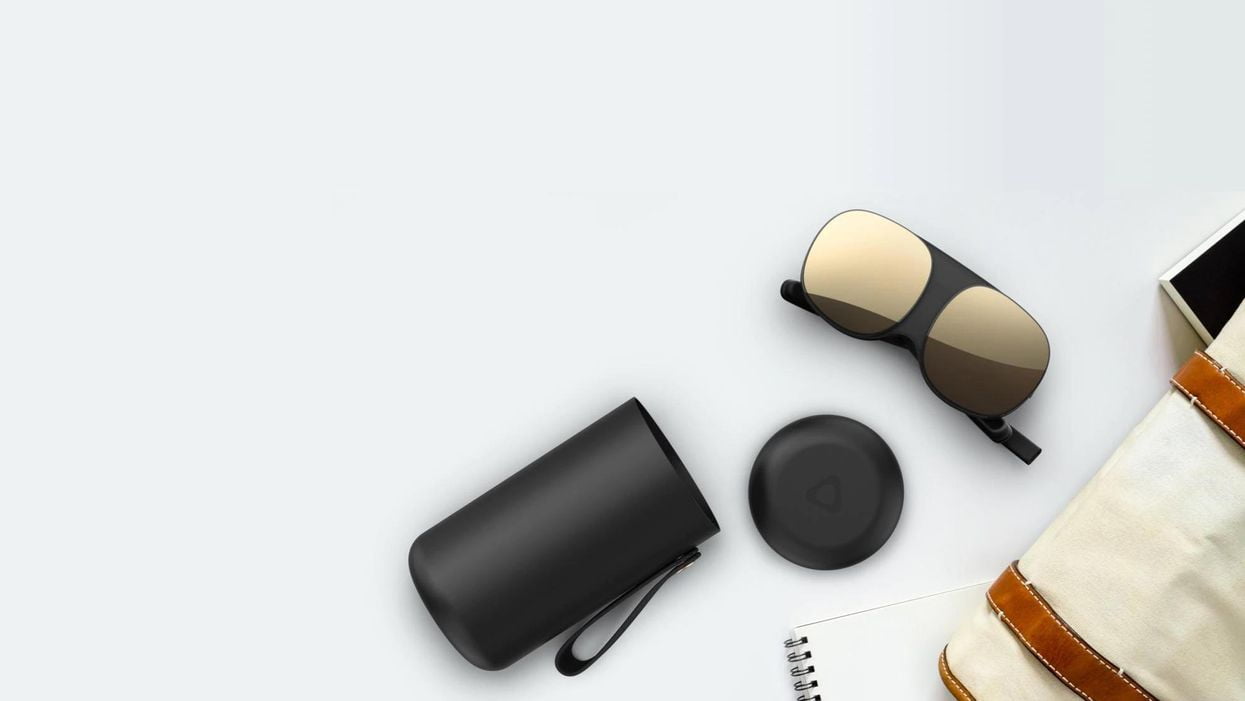

HTC has revealed a $499 entertainment-centric headset, the Vive Flow in November, with preorders beginning globally today! The new Vive Flow looks entirely distinct from most HTC Vive devices. It’s modeled after a pair of sunglasses and kinda looks like an AR headset.
The Vive Flow is a compromise between capability and approachability. The device has a 1.6K-per-eye display with a 100-degree field of view at a 75Hz refresh rate. It’s also slightly comparable to the Oculus Quest’s refresh rate before a recent upgrade and a little more cramped than its 110-degree field of view.

Two front-facing cameras handle inside-out motion tracking, and HTC plans to support hand tracking as well, although the feature wasn’t available during a pre-launch demo and didn’t give an exact timeline for its rollout. It’s using the last-generation Qualcomm XR1 chipset (as opposed to the Quest 2’s XR2), and it’s got a respectable 64GB of storage space but — unlike the Focus 3 — no slot for an expansion card.
Unlike earlier Vive headsets, the Vive Flow won’t come with a controller. Instead, you connect the headset wirelessly to an Android smartphone and use the phone as a combination remote / touchpad. Similar to the mobile Google Daydream or Samsung Gear VR remotes, it’s basically a virtual laser pointer with buttons for selecting items and calling up the home screen.
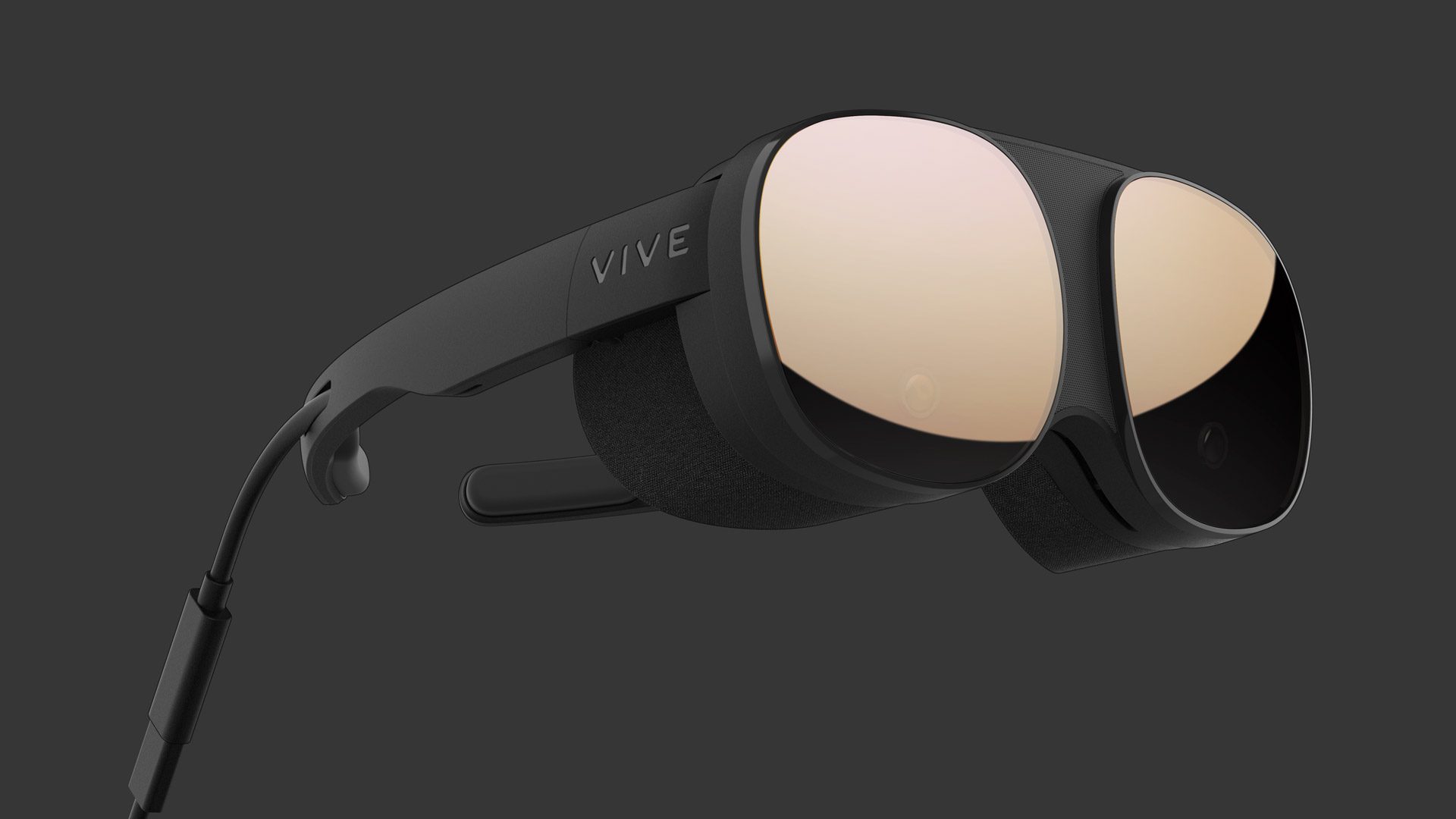
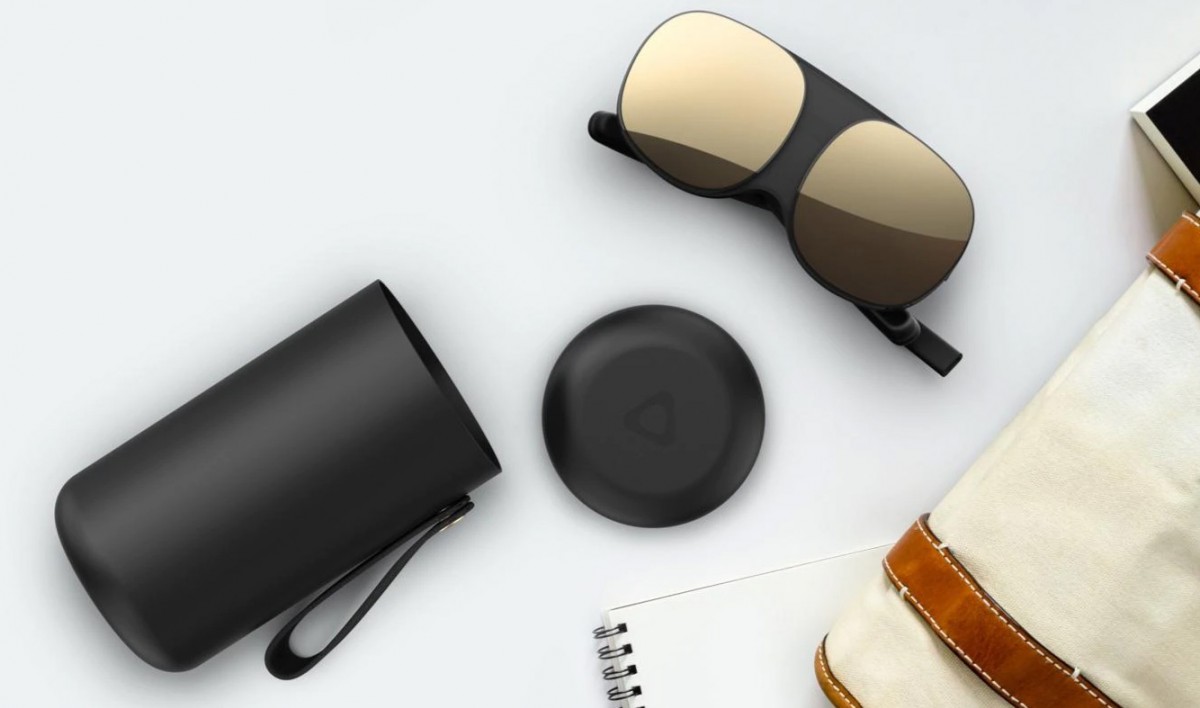
The Flow technically has its own battery, but HTC says it only lasts a few minutes — it’s designed to let you swap power sources without turning off the headset. So you’ll need either the HTC battery, which is sold separately from the headset or (according to HTC) any 10,000mAh power bank and a USB-C cable.
In addition to controlling the device, the phone attachment lets you mirror Android apps, calling up a virtual copy of your phone’s home screen and letting you launch apps like streaming video services in a floating window. The headset doesn’t pair with iPhones, and while HTC hasn’t ruled out future support, it indicated there were serious barriers to making iOS play well with the Flow.
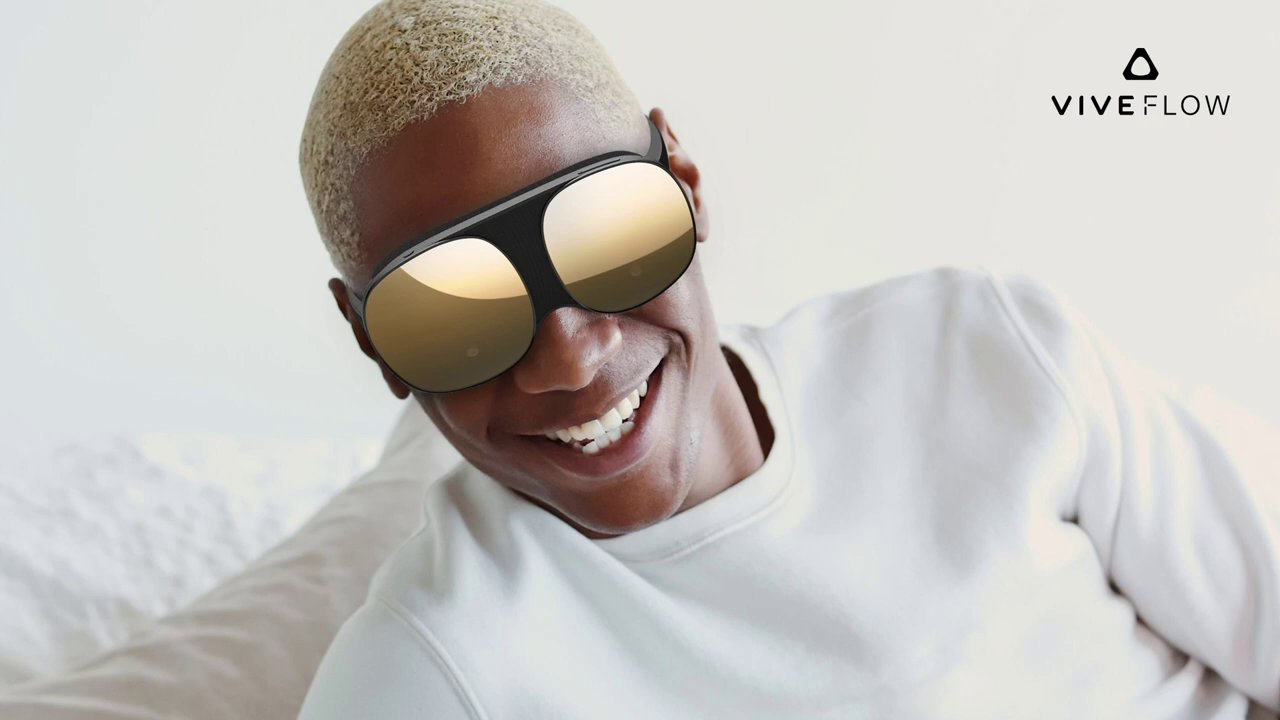
HTC’s focus on older users (“the huge Boomer population,” as a MyndVR representative put it) is part of this strategy. So is the push for a glasses-like design instead of the straps you’ll find on most headsets. “There’s the user that really just wants this thing to be un-intimidating and easy to pop on and off,” O’Brien says — and that’s who the Flow is made for. The result has a lot in common with the now-discontinued Oculus Go, but with a svelter look and upgrades like the inside-out camera tracking.
The smartphone-based controller, the Vive Flow’s biggest departure from standard VR design, is theoretically reasonable but practically awkward. I used an HTC-provided Android device that worked fine as a VR laser pointer. But thanks to the long-running trend of ever-bigger phones, I could barely fit my hand around HTC’s phone to tap virtual buttons on the screen. It’s also a strange choice for any headset aimed at older users, who are dramatically less likely to own smartphones.
That being said, it could be a great device for you to own if you’re just getting into VR and it is also a great device to pair with a bunch of headphones and watch a movie on, and with that we’d say the Vive Flow’s design and usability overall seems pretty good and we’d recommend you get that device if you’re financially capable of doing so!