
Made with ♥ by Avi

Here’s all about the Samsung Galaxy Watch 4!


The Samsung Galaxy Watch 4 has a headline feature that’s the revamp of its software, combining the look and feel of Samsung’s Tizen platform with Wear OS by Google. A relatively similar device to the Galaxy Watch 3, it is a fantastic smartwatch. The hardware was already pretty good and with the addition of great software by Google! It is going to be awesome. For anyone who’s looking for a top-end smartwatch that can track workouts and a lot of other smart features that many alternative wearables don’t, this is a great option.

Announced alongside the Galaxy Watch 4 is the Samsung Galaxy Watch 4 Classic. The device you’re reading of here is mostly fitness-focused, the Galaxy Watch 4 Classic has a rotating bezel and a larger design that may make more sense for many people. 
The Samsung Galaxy Watch 4 can be pre-ordered now in the US, UK, and Australia, with those in the US and UK able to buy the watch on August 26, while Australia will get it on September 10. It’s available in two sizes, the smaller of which is the 40mm model. That costs $249.99 / £249 / AU$399 for the Bluetooth version, while the LTE version is $299.99 / £289 / AU$499. There’s also a 44mm Galaxy Watch 4, which costs $279.99 / £269 / AU$449 in its Bluetooth form and $329.99 / £309 / AU$549 for the 4G variant.

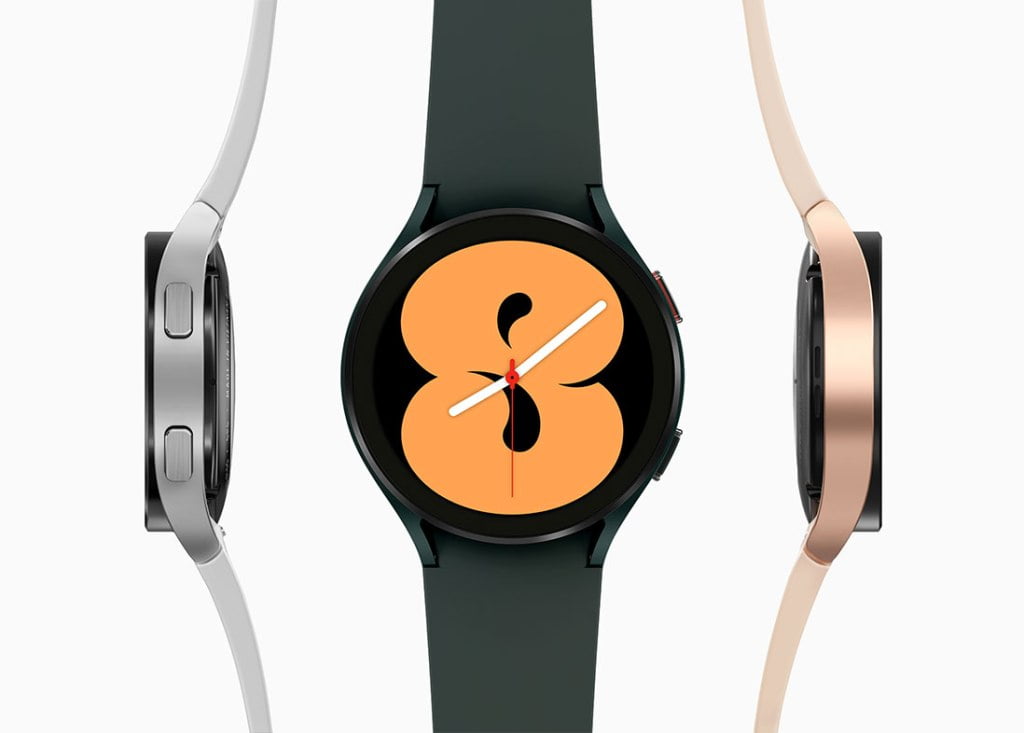
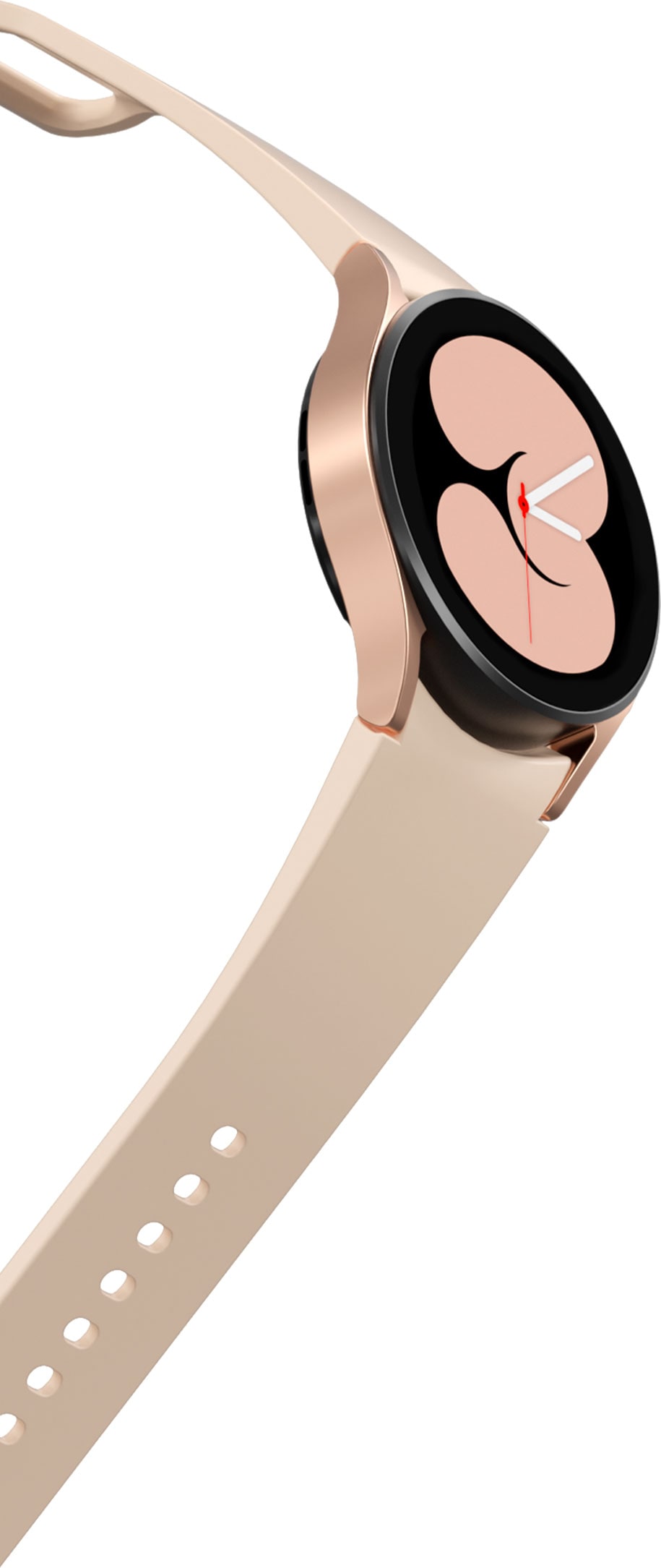
The Samsung Galaxy Watch 4 is a trim smartwatch, with an aluminum build and a design that sits comfortably on your wrist. If you’re looking for something chunkier, or you’d like a rotating bezel, you’ll want to check out the Samsung Galaxy Watch 4 Classic.

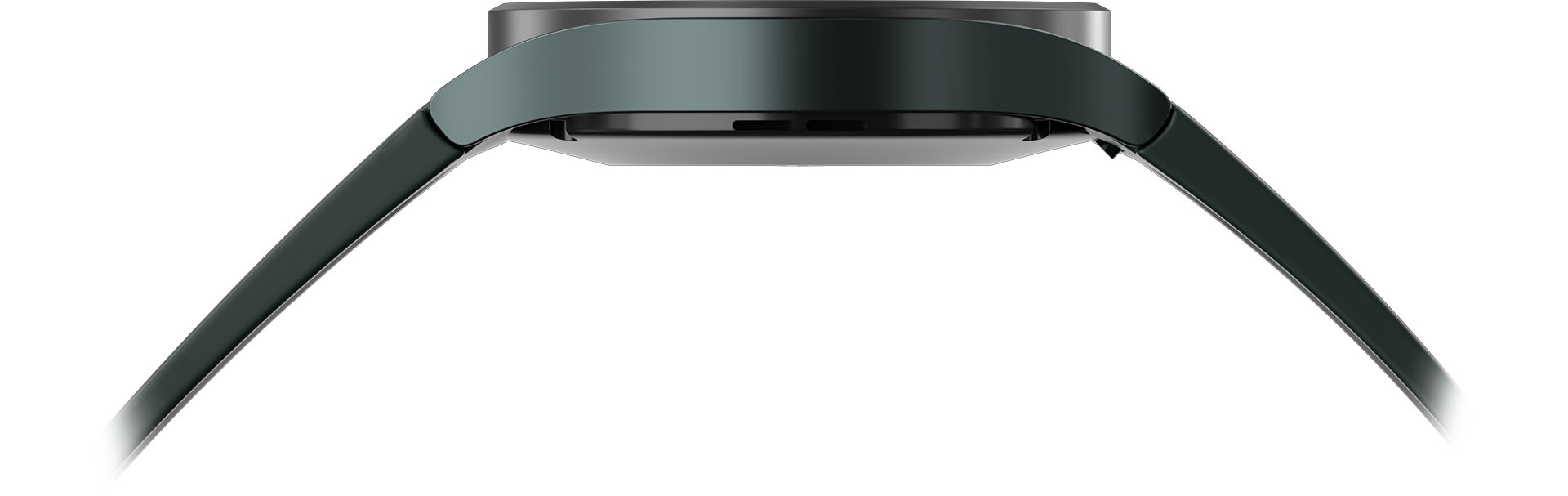
The dimensions of the 40mm model are 40.4 x 39.3 x 9.8mm with a weight of 25.9g, while the 44mm version measures 44.4 x 43.3 x 9.8mm and weighs 30.3g. Both models have two buttons on the right-hand edge of their face, and little else to detract from the sleek design.

The screen on the Galaxy Watch 4 looks bright, and it’s easy to read. The resolution is also impressive, with the 40mm model featuring a 396 x 396 resolution, and the larger 44mm model taking that up to 450 x 450. That’s 330 pixels per inch for both models.

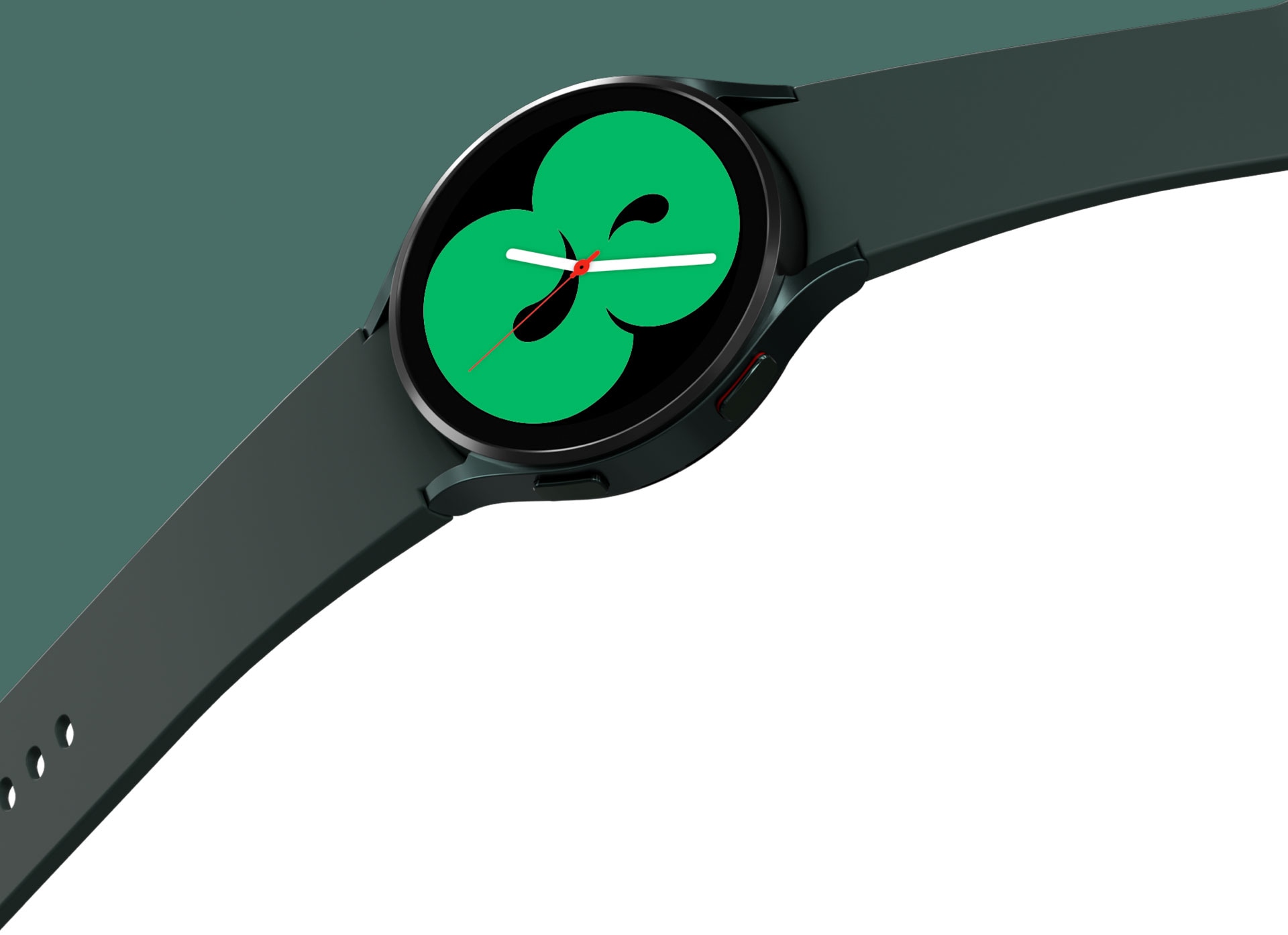
One standout feature for the Galaxy Watch 4 is its ‘virtual’ rotating bezel. There’s no physical rotating bezel here – as mentioned, you’ll need to look to the Watch 4 Classic for that – but you can run your finger around the black bezel of the screen to rotate through the menus and access different features. Each model is also IP68 water and dust resistant, which means you can take them into the water up to five meters deep, that’s good enough for swimming and could easily withstand the rain.

Your color options are different depending on which size you opt for. The 40mm comes in black, gold, and silver, while the 44mm comes in black, green, and silver, although exactly which colors are available may depend on where you live. 


Specs and software

The Samsung Galaxy Watch 4 features an Exynos W920 chipset and 1.5GB of RAM, which is sufficient to comfortably run a variety of apps. There’s also 16GB of storage on this smartwatch, which is good but the majority of that space will be taken by the apps and the OS. Software is where the Galaxy Watch 4 is sure to shine. Samsung isn’t using its familiar Tizen software here and is instead re-embracing Wear OS. 

There’s an overlay by Samsung on top of WearOS, called One UI Watch 3. With access to the Google Play Store, you have a bigger choice of apps than for previous Samsung watches – but the design still feels distinctly Samsung.

One thing that’s worth noting though is that the Samsung Galaxy Watch 4 can’t be paired with an iOS device – so iOS users won’t be able to get one. 


Fitness and battery life

The Samsung Galaxy Watch 4 is designed to be a fitness and health device, and it comes with a whole host of features, including GPS for tracking runs, an optical heart rate sensor, ECG support, and more. Samsung says its body composition measurement tools are designed to help you understand key fitness metrics such as skeletal muscle mass and body fat percentage. 

The battery life on the Watch 4 isn’t known yet, but we know the smaller 40mm version comes with a 247mAh cell, while the larger variant has a 361mAh cell. A charger is included in the box.


Verdict

The Watch 4 doesn’t have any major hardware upgrades compared to previous watches – it’s just the new software here that makes this an appealing device.

The Galaxy Watch 4 Classic has the design that many will want in a smartwatch, but if you’re after a smaller alternative that offers some reliable fitness features, the ‘normal’ Watch 4 looks to be a great choice. 

Here’s all about the Samsung Galaxy Watch 4!

Here’s all about the Samsung Galaxy Watch 4!


The Samsung Galaxy Watch 4 has a headline feature that’s the revamp of its software, combining the look and feel of Samsung’s Tizen platform with Wear OS by Google. A relatively similar device to the Galaxy Watch 3, it is a fantastic smartwatch. The hardware was already pretty good and with the addition of great software by Google! It is going to be awesome. For anyone who’s looking for a top-end smartwatch that can track workouts and a lot of other smart features that many alternative wearables don’t, this is a great option.

Announced alongside the Galaxy Watch 4 is the Samsung Galaxy Watch 4 Classic. The device you’re reading of here is mostly fitness-focused, the Galaxy Watch 4 Classic has a rotating bezel and a larger design that may make more sense for many people. 
The Samsung Galaxy Watch 4 can be pre-ordered now in the US, UK, and Australia, with those in the US and UK able to buy the watch on August 26, while Australia will get it on September 10. It’s available in two sizes, the smaller of which is the 40mm model. That costs $249.99 / £249 / AU$399 for the Bluetooth version, while the LTE version is $299.99 / £289 / AU$499. There’s also a 44mm Galaxy Watch 4, which costs $279.99 / £269 / AU$449 in its Bluetooth form and $329.99 / £309 / AU$549 for the 4G variant.

The Samsung Galaxy Watch 4 is a trim smartwatch, with an aluminum build and a design that sits comfortably on your wrist. If you’re looking for something chunkier, or you’d like a rotating bezel, you’ll want to check out the Samsung Galaxy Watch 4 Classic.

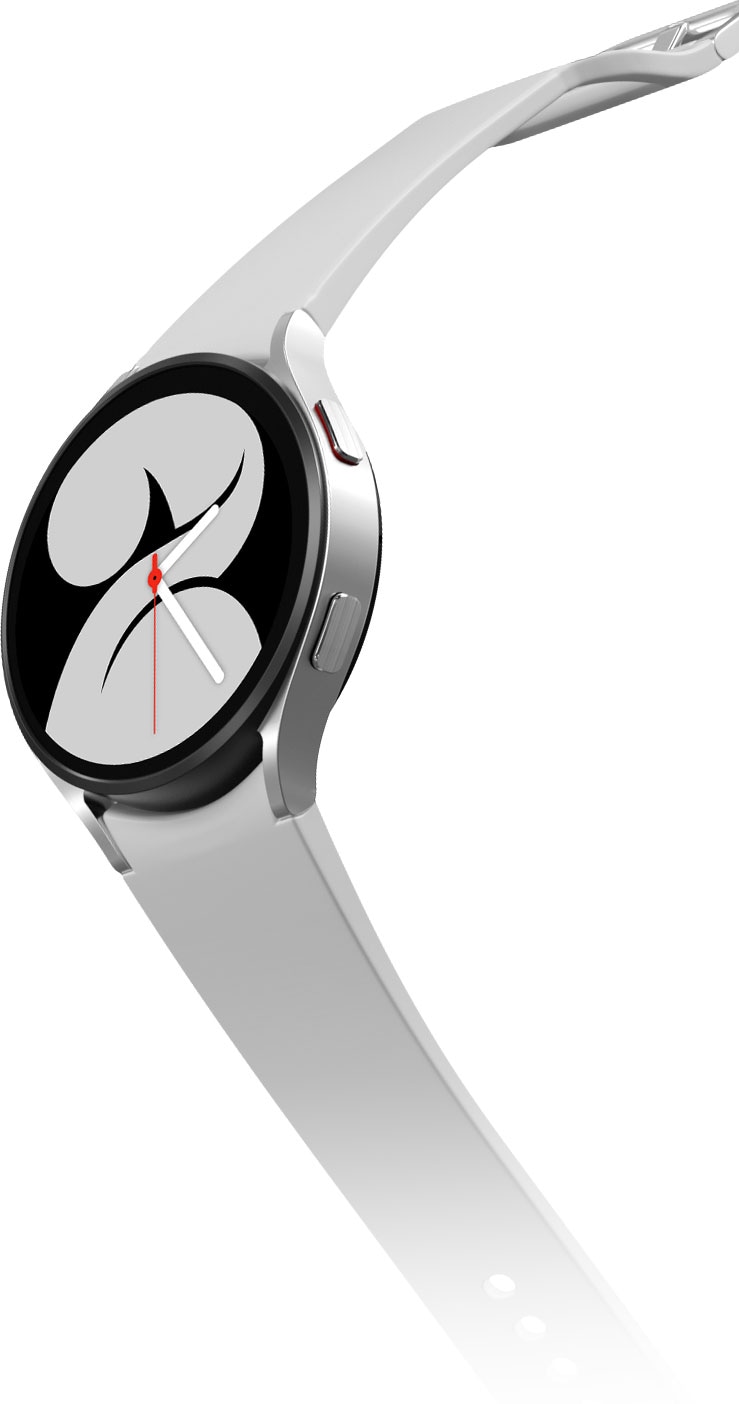
The dimensions of the 40mm model are 40.4 x 39.3 x 9.8mm with a weight of 25.9g, while the 44mm version measures 44.4 x 43.3 x 9.8mm and weighs 30.3g. Both models have two buttons on the right-hand edge of their face, and little else to detract from the sleek design.

The screen on the Galaxy Watch 4 looks bright, and it’s easy to read. The resolution is also impressive, with the 40mm model featuring a 396 x 396 resolution, and the larger 44mm model taking that up to 450 x 450. That’s 330 pixels per inch for both models.

One standout feature for the Galaxy Watch 4 is its ‘virtual’ rotating bezel. There’s no physical rotating bezel here – as mentioned, you’ll need to look to the Watch 4 Classic for that – but you can run your finger around the black bezel of the screen to rotate through the menus and access different features. Each model is also IP68 water and dust resistant, which means you can take them into the water up to five meters deep, that’s good enough for swimming and could easily withstand the rain.

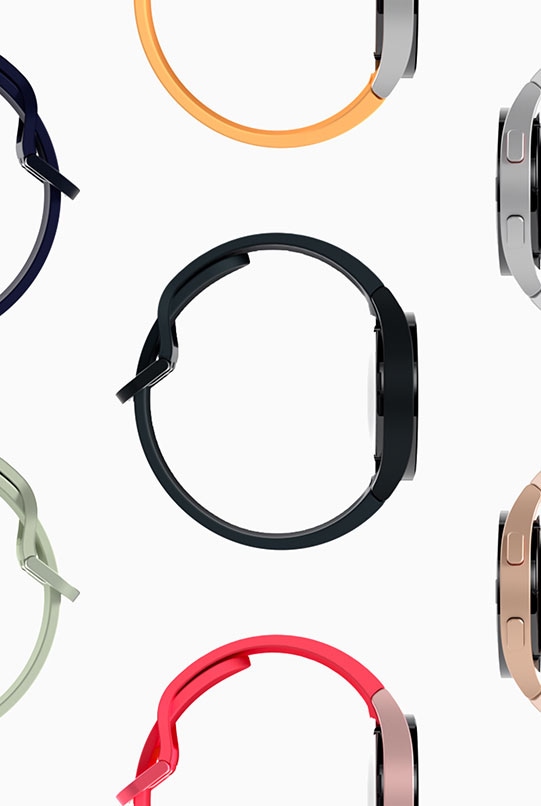
Your color options are different depending on which size you opt for. The 40mm comes in black, gold, and silver, while the 44mm comes in black, green, and silver, although exactly which colors are available may depend on where you live. 


Specs and software
The Samsung Galaxy Watch 4 features an Exynos W920 chipset and 1.5GB of RAM, which is sufficient to comfortably run a variety of apps. There’s also 16GB of storage on this smartwatch, which is good but the majority of that space will be taken by the apps and the OS. Software is where the Galaxy Watch 4 is sure to shine. Samsung isn’t using its familiar Tizen software here and is instead re-embracing Wear OS. 

There’s an overlay by Samsung on top of WearOS, called One UI Watch 3. With access to the Google Play Store, you have a bigger choice of apps than for previous Samsung watches – but the design still feels distinctly Samsung.

One thing that’s worth noting though is that the Samsung Galaxy Watch 4 can’t be paired with an iOS device – so iOS users won’t be able to get one. 


Fitness and battery life
The Samsung Galaxy Watch 4 is designed to be a fitness and health device, and it comes with a whole host of features, including GPS for tracking runs, an optical heart rate sensor, ECG support, and more. Samsung says its body composition measurement tools are designed to help you understand key fitness metrics such as skeletal muscle mass and body fat percentage. 

The battery life on the Watch 4 isn’t known yet, but we know the smaller 40mm version comes with a 247mAh cell, while the larger variant has a 361mAh cell. A charger is included in the box.


Verdict
The Watch 4 doesn’t have any major hardware upgrades compared to previous watches – it’s just the new software here that makes this an appealing device.

The Galaxy Watch 4 Classic has the design that many will want in a smartwatch, but if you’re after a smaller alternative that offers some reliable fitness features, the ‘normal’ Watch 4 looks to be a great choice. 

Enable Optimization for improving page speed on Firefox?

Enabling will throttle your experience throughout the site, you will have reduced animations, no transparency effects, potentially reduced visual harmony. Learn why

You won't be prompted again, but you can change your settings by clicking on the bottom left icon.

We use cookies 🍪 & trackers for analytics & performance. By browsing, you accept our Privacy Policy - Learn more. Exit to opt-out