
Made with ♥ by Avi

The M5 MacBook Releases Feel Like Apple on Autopilot

This week, Apple unveiled its new MacBook lineup with M5, M5 Pro, and M5 Max chips, alongside a budget MacBook that’s supposed to be the star of the show. I’ve been following this rollout with a strange mix of interest and disappointment, watching as the company spreads announcements across multiple days through press releases instead of a proper event.

There’s something oddly uninspiring about this approach. Apple events used to be cultural moments. I remember staying up late to watch keynotes, feeling that electric anticipation as new products were revealed. But spreading announcements across multiple days with press releases replacing a traditional keynote feels like the company is going through the motions. It’s efficient, sure, but it lacks the theatricality that once made these launches feel significant.

The devices themselves don’t help shake this feeling. The M5 MacBook Air now starts with 512GB storage and features Wi-Fi 7 and Bluetooth 6, while the MacBook Pro models get M5 Pro and M5 Max chips with faster SSD performance. These are marginal improvements at best. The chassis remains unchanged, the displays stay the same. It’s just chip upgrades packaged in familiar aluminum bodies.
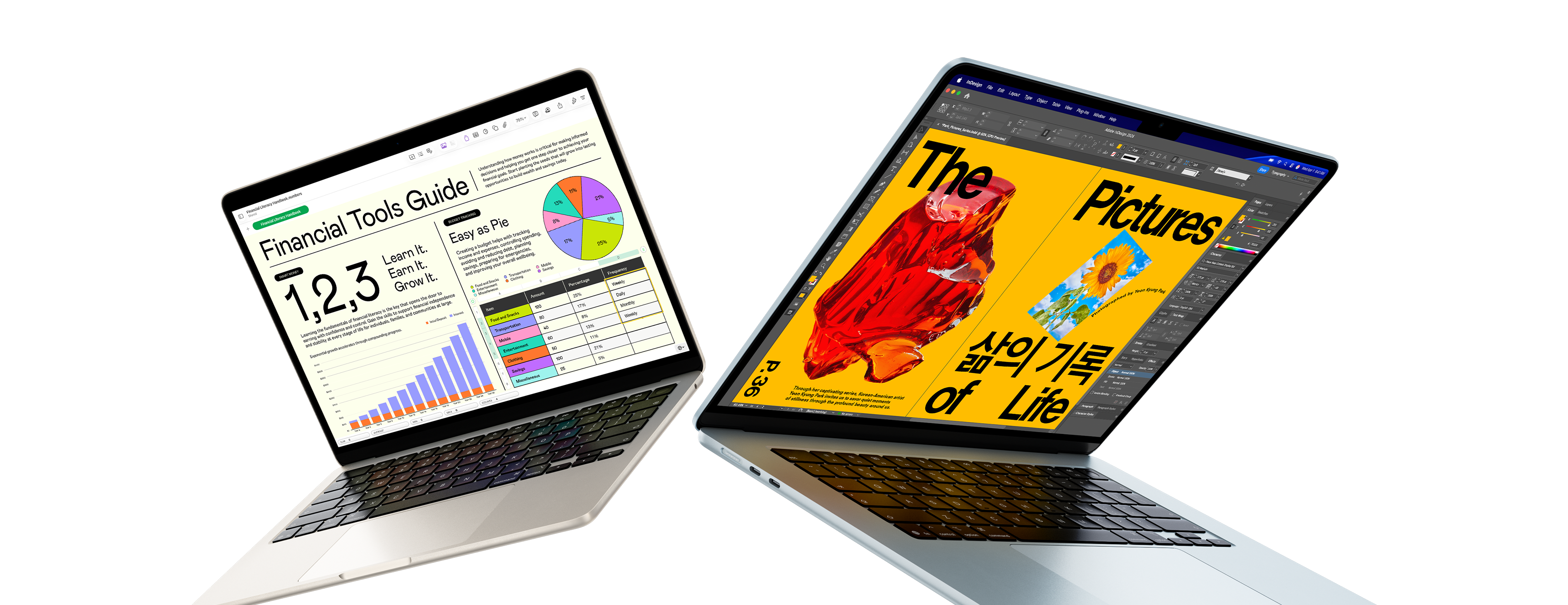
I understand why this is happening. Apple is holding over a completely refreshed design until the M6 models, which reportedly will bring OLED screens and thinner bodies later this year. So these M5 releases are essentially placeholders, keeping the product line current while Apple works on something more substantial. That’s reasonable from a business perspective, but it doesn’t make the current releases any more exciting.

The real story here seems to be the budget MacBook, powered by an A18 Pro chip with pricing expected between $699 and $749. This is Apple’s attempt to compete with Chromebooks and entry-level Windows machines, targeting students and price-conscious buyers. It’s a strategic play that makes sense, especially if they want to expand their ecosystem.
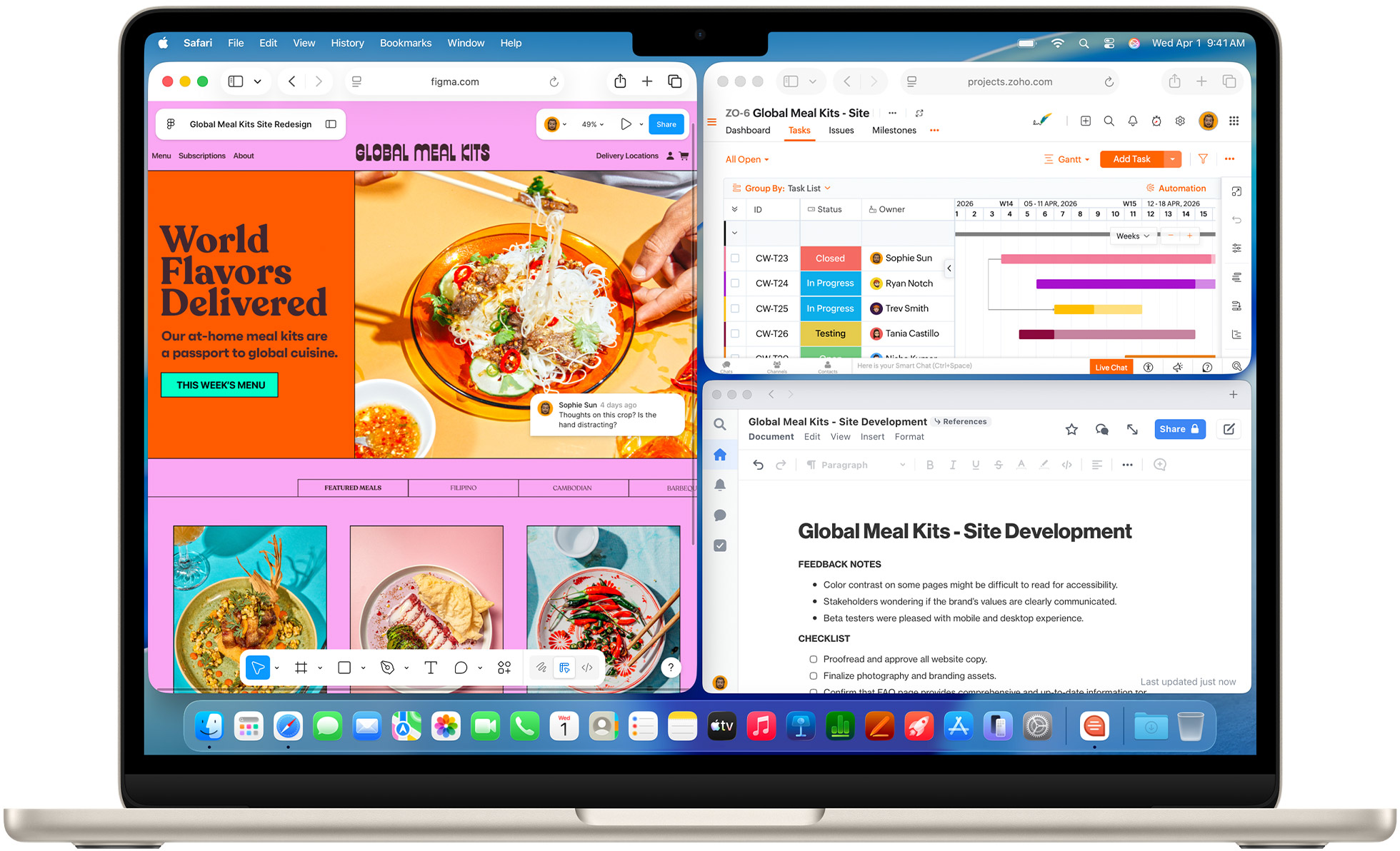
But the execution feels lazy. Rather than unveiling everything through a filmed keynote, Apple is spreading announcements across daily press releases with hands-on experiences for select press in New York, London, and Shanghai. It’s a carefully orchestrated media strategy designed to generate multiple waves of coverage, each focused on a specific product category. Smart? Absolutely. Inspiring? Not particularly.

What bothers me is that this approach reveals how predictable Apple’s product cycles have become. We know there will be M5 devices, then M6 devices, then M7 devices. Each iteration brings incremental improvements: slightly faster processors, marginally better graphics, maybe some AI features. The formula works, but it’s lost that spark of genuine innovation.

These budget devices are part of a hybrid strategy. Apple is trying to capture market segments it previously ignored without diluting its premium brand. They generate targeted media coverage, appeal to specific demographics, and expand the ecosystem. It’s calculated, methodical, and completely lacking in the magic that once defined Apple product launches.

I don’t expect every release to be revolutionary. Technology advances in small steps most of the time. But the aura surrounding Apple events used to make even incremental updates feel meaningful. That cultural significance seems to be fading, replaced by efficient product rollouts that check all the right boxes without creating any real excitement.

The M5 MacBooks will be excellent machines. Performance benchmarks show 14 to 22 percent improvements in single-core and multi-core processing, which matters for professional workflows. The budget MacBook might genuinely help students access the Apple ecosystem. These are worthwhile products serving real needs.

But watching this week’s staggered announcements, I can’t help feeling like we’re witnessing Apple on autopilot. The company knows how to generate headlines, move product, and maintain market position. What’s missing is the sense that they’re pushing boundaries or reimagining what’s possible. Instead, we get reliable updates to existing formulas, delivered through calculated media strategies that prioritize coverage over genuine excitement.

Maybe that’s just where we are now. The smartphone and laptop markets have matured. The low-hanging fruit of innovation has been picked. What remains are refinements, optimizations, and strategic expansions into new price points. It’s reasonable, understandable, and profoundly uninspiring.

The M5 MacBook Releases Feel Like Apple on Autopilot

The M5 MacBook Releases Feel Like Apple on Autopilot

This week, Apple unveiled its new MacBook lineup with M5, M5 Pro, and M5 Max chips, alongside a budget MacBook that’s supposed to be the star of the show. I’ve been following this rollout with a strange mix of interest and disappointment, watching as the company spreads announcements across multiple days through press releases instead of a proper event.

There’s something oddly uninspiring about this approach. Apple events used to be cultural moments. I remember staying up late to watch keynotes, feeling that electric anticipation as new products were revealed. But spreading announcements across multiple days with press releases replacing a traditional keynote feels like the company is going through the motions. It’s efficient, sure, but it lacks the theatricality that once made these launches feel significant.

The devices themselves don’t help shake this feeling. The M5 MacBook Air now starts with 512GB storage and features Wi-Fi 7 and Bluetooth 6, while the MacBook Pro models get M5 Pro and M5 Max chips with faster SSD performance. These are marginal improvements at best. The chassis remains unchanged, the displays stay the same. It’s just chip upgrades packaged in familiar aluminum bodies.

I understand why this is happening. Apple is holding over a completely refreshed design until the M6 models, which reportedly will bring OLED screens and thinner bodies later this year. So these M5 releases are essentially placeholders, keeping the product line current while Apple works on something more substantial. That’s reasonable from a business perspective, but it doesn’t make the current releases any more exciting.

The real story here seems to be the budget MacBook, powered by an A18 Pro chip with pricing expected between $699 and $749. This is Apple’s attempt to compete with Chromebooks and entry-level Windows machines, targeting students and price-conscious buyers. It’s a strategic play that makes sense, especially if they want to expand their ecosystem.

But the execution feels lazy. Rather than unveiling everything through a filmed keynote, Apple is spreading announcements across daily press releases with hands-on experiences for select press in New York, London, and Shanghai. It’s a carefully orchestrated media strategy designed to generate multiple waves of coverage, each focused on a specific product category. Smart? Absolutely. Inspiring? Not particularly.

What bothers me is that this approach reveals how predictable Apple’s product cycles have become. We know there will be M5 devices, then M6 devices, then M7 devices. Each iteration brings incremental improvements: slightly faster processors, marginally better graphics, maybe some AI features. The formula works, but it’s lost that spark of genuine innovation.

These budget devices are part of a hybrid strategy. Apple is trying to capture market segments it previously ignored without diluting its premium brand. They generate targeted media coverage, appeal to specific demographics, and expand the ecosystem. It’s calculated, methodical, and completely lacking in the magic that once defined Apple product launches.

I don’t expect every release to be revolutionary. Technology advances in small steps most of the time. But the aura surrounding Apple events used to make even incremental updates feel meaningful. That cultural significance seems to be fading, replaced by efficient product rollouts that check all the right boxes without creating any real excitement.

The M5 MacBooks will be excellent machines. Performance benchmarks show 14 to 22 percent improvements in single-core and multi-core processing, which matters for professional workflows. The budget MacBook might genuinely help students access the Apple ecosystem. These are worthwhile products serving real needs.

But watching this week’s staggered announcements, I can’t help feeling like we’re witnessing Apple on autopilot. The company knows how to generate headlines, move product, and maintain market position. What’s missing is the sense that they’re pushing boundaries or reimagining what’s possible. Instead, we get reliable updates to existing formulas, delivered through calculated media strategies that prioritize coverage over genuine excitement.

Maybe that’s just where we are now. The smartphone and laptop markets have matured. The low-hanging fruit of innovation has been picked. What remains are refinements, optimizations, and strategic expansions into new price points. It’s reasonable, understandable, and profoundly uninspiring.

Enable Optimization for improving page speed on Firefox?

Enabling will throttle your experience throughout the site, you will have reduced animations, no transparency effects, potentially reduced visual harmony. Learn why

You won't be prompted again, but you can change your settings by clicking on the bottom left icon.

We use cookies 🍪 & trackers for analytics & performance. By browsing, you accept our Privacy Policy - Learn more. Exit to opt-out